
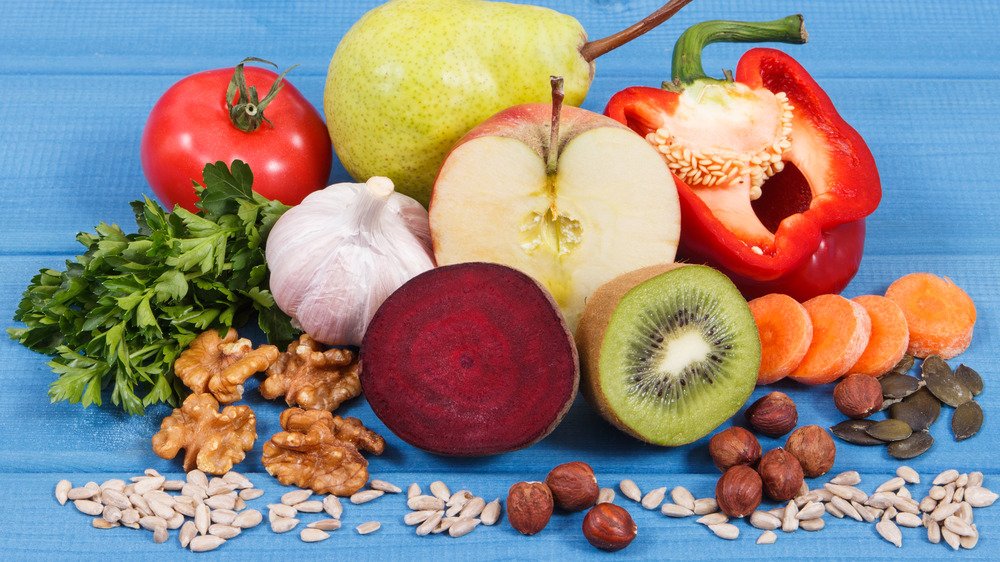
An anti-inflammatory diet is packed with foods that contain health-boosting antioxidants, polyphenols, and other immune-strengthening compounds known to combat inflammation in the body.
Inflammation is the body’s natural way of responding to injury and infection. However, experts connect long-term, chronic inflammation to insulin resistance and a higher risk of diabetes, heart disease, cancer, Alzheimer’s, and many other chronic illnesses.
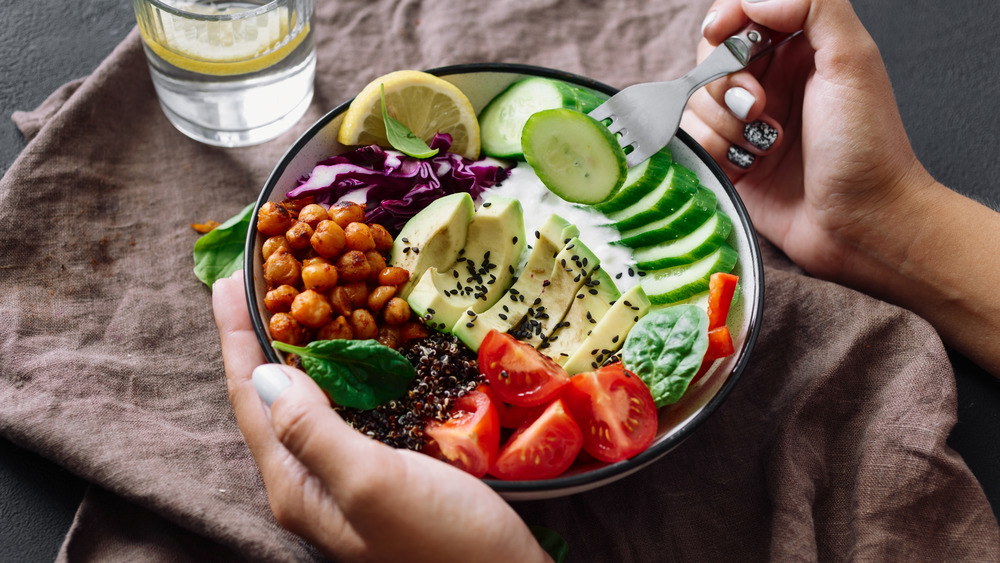
Foods with anti-inflammatory properties include (but aren’t limited to):
- Herbs and spices, like turmeric, cinnamon, ginger, garlic, pepper, and rosemary
- Fruits, such as pineapple, papaya, mango, berries, and acerola cherry
- Vegetables, including carrots, pumpkin, leafy greens, and zucchini
- Peas and beans, like pinto beans, chickpeas, lentils, and black-eyed peas
- Oily fish and other omega-3 sources, such as sardines, salmon, mackerel, herring, and fish oil
- Dairy, like yogurt
- Whole grains, including corn, cornmeal, and whole-grain pasta, bread, and rice
How does an anti-inflammatory diet work?
Research shows that certain foods trigger inflammation in the body, such as highly refined carbs, added sugars, red meat, trans and saturated fats, and salt.
While there’s no strict anti-inflammatory diet, general guidelines recommend eating more of some foods and less of others to help manage inflammation.
Interestingly, even diets not specifically designed to fight inflammation—like the Mediterranean diet and the DASH diet (which targets heart disease and high blood pressure)—have been shown to lower inflammation and are recommended for overall health.
The main idea behind an anti-inflammatory diet is to cut out pro-inflammatory foods and replace them with nutrient-rich options, herbs, and spices high in anti-inflammatory compounds (like vitamin C).
For example, common tips include avoiding refined flour, excess salt from processed foods, and sugary drinks while eating more fruits, vegetables, and whole grains.
Anti-inflammatory diets also support gut health. Since 70–80% of immune cells are found in the gut, improving gut health is key to boosting immunity and reducing chronic inflammation.
It’s a good idea to eat prebiotic- and probiotic-rich foods—like legumes and yogurt—daily.
Tips for getting started:
- Swap sugary drinks (sodas, concentrated juices) for plain or fruit-infused water.
- Eat more fiber by adding whole grains, fruits, and veggies to your daily meals.
- Have fatty fish (like sardines and salmon) twice a week.
- Include nuts, seeds, nut butter, avocado, and olive oil for healthy fats.
- Use more herbs and spices in cooking.
- Sip on herbal teas, such as ginger, garlic, cinnamon, or rosemary tea.
Potential health benefits
Lower disease risk
Chronic diseases (like heart disease and stroke) are the leading causes of death and disability in the U.S., according to the CDC.
Studies show that anti-inflammatory diets reduce inflammation markers in the body and lower the risk of chronic illnesses.
A 2016 review found that the Mediterranean diet cut C-reactive protein (an inflammation marker) by 20% and reduced overall heart disease risk by 30%. Researchers believe the diet helps by reducing inflammation in blood vessels and keeping them healthy.
Following the Mediterranean diet may also lower the risk of rheumatoid arthritis, though more research is needed.
Less severe symptoms
Chronic conditions can cause symptoms like muscle pain, swollen joints, itchy skin, fatigue, and mood swings—which can seriously impact quality of life.
Research on people with psoriasis, COPD, and depression found that an anti-inflammatory diet improved symptoms and quality of life in some cases.
This means that for those with chronic illnesses, this diet may help manage symptoms better and improve daily life.
Other studies suggest anti-inflammatory diets may also reduce fatigue linked to chronic conditions. However, instead of focusing on just one nutrient, it’s best to eat a balanced diet full of fiber, whole grains, fruits, veggies, and omega-3 fats.
Downsides
Inconsistent findings
Anti-inflammatory diet research is still evolving, and some findings conflict.
For example, some studies label tomatoes as pro-inflammatory and suggest avoiding them, while others highlight their lycopene content as anti-inflammatory.
These mixed results can be confusing. Always consider personal allergies and consult a dietitian for a meal plan that works for you.
Not a cure for diseases
Some health websites claim anti-inflammatory diets can “cure” conditions like fibromyalgia, multiple sclerosis, and arthritis.
While these diets can reduce inflammation and ease symptoms, calling them a “cure” is misleading. They should support medical treatment, not replace it.
Lifestyle habits matter too
Lifestyle choices also influence inflammation. Poor sleep, lack of exercise, and chronic stress are linked to higher inflammation, weaker immunity, and increased heart disease risk.
Along with eating anti-inflammatory foods, try these habits to lower inflammation:
- Get 7–9 hours of uninterrupted sleep.
- Exercise 150 minutes per week (mix cardio, strength, and balance training).
- Manage stress effectively.
The bottom line
Anti-inflammatory diets are rich in antioxidants, polyphenols, and immune-boosting compounds that fight inflammation.
Replace pro-inflammatory foods (refined carbs, added sugars, red meat, unhealthy fats, and salt) with whole grains, fruits, veggies, yogurt, herbs, spices, and healthy fats.
While these diets help reduce inflammation and improve symptoms, they aren’t a cure for chronic or autoimmune diseases. They should complement medical treatment, not replace it.