

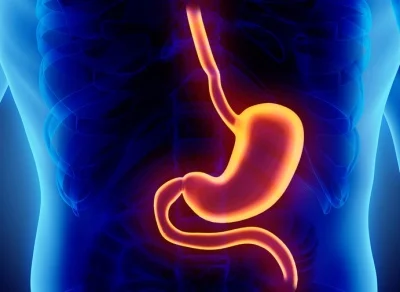
Ghrelin is a hormone mostly made in the stomach when it’s empty. It’s also produced in the small intestine, brain, and pancreas.
Ghrelin moves through the blood to the brain, where it affects the hypothalamus. The hypothalamus is a part of the brain that makes hormones controlling hunger, mood, thirst, and other key bodily functions.
Often called the “hunger hormone,” ghrelin’s main job is to regulate appetite. When it activates its receptor—the growth hormone secretagogue receptor—it triggers a person to eat more and store extra fat.
For people trying to lose weight or who’ve recently lost weight, ghrelin levels tend to be higher, making it tough to keep the weight off.
For example, a 2020 study looked at people with diabetes in a 2-year weight management program. Those who initially lost weight slowly regained it over time. Researchers found that weight loss was linked to higher ghrelin levels and increased hunger, which may make maintaining weight loss harder.
Ghrelin can also signal the body to reduce brown fat thermogenesis, meaning less fat is burned at rest. Brown fat is known for its thermogenic properties and ability to boost calorie burning.
Studies show ghrelin also influences sleep/wake cycles, taste perception, and reward-seeking behavior.
Since it plays a role in reward processing, many experts believe higher ghrelin levels may contribute to overeating and alcohol misuse.
Recently, researchers have found that ghrelin has many other roles, like improving heart health, preventing muscle loss, and affecting bone metabolism. It also stimulates stomach acid production and speeds up gastric emptying.
What raises ghrelin levels?
Ghrelin levels change throughout the day, mainly depending on food intake. They usually rise when the stomach is empty and drop after eating.
Some studies suggest people with obesity have higher circulating ghrelin levels, leading to constant hunger and difficulty losing weight.
However, research is mixed. A 2015 review found that ghrelin levels are actually low in people with obesity and even lower in those with binge-eating disorder.
Dieting is also known to boost ghrelin secretion. Plus, diets can lower leptin (the “satiety hormone”), making long-term weight loss harder.
Interestingly, people who’ve had weight loss surgery often have lower ghrelin levels, which may help them maintain weight loss.
A recent review found that ghrelin drops significantly after sleeve gastrectomy, likely because the part of the stomach that produces ghrelin (the gastric fundus) is removed. However, results are less clear for other procedures like gastric bypass.
Certain health conditions are also linked to higher ghrelin levels, including:
- Prader-Willi syndrome (PWS) – causing constant hunger and weight control issues.
- Hashimoto’s thyroiditis, anorexia nervosa, bulimia, and illness-related cachexia.
Ghrelin may also rise during stress, possibly having an anxiety-reducing effect.
How to increase ghrelin levels
While high ghrelin is often seen as unfavorable (since it increases appetite), some people might benefit from it—like those struggling to gain weight or with wasting syndrome.
Newer studies suggest ghrelin therapy could help cancer cachexia patients by reversing weight loss and protein breakdown. Short-term use seems safe, but more research is needed.
Animal studies show that cannabis may boost appetite by stimulating ghrelin, which could help treat illness-related anorexia.
One human study in men with HIV found that THC (the active compound in cannabis) can trigger ghrelin release.
How to lower ghrelin levels
Since ghrelin often rises after weight loss, reducing it may help control appetite, prevent weight regain, or aid weight loss.
However, some studies say ghrelin levels alone don’t fully predict weight regain—behavioral, physiological, and environmental factors also play a role.
Here are some natural ways to lower ghrelin:
1. Eat a healthy diet
Ghrelin spikes when you’re undereating. Staying full with nutrient-rich foods may help.
According to Dietary Guidelines for Americans (2020–2025), a healthy diet includes:
- All types of vegetables
- Whole fruits
- Whole grains (at least half of grain intake)
- Low-fat dairy
- Lean protein
- Healthy oils (like olive oil or those in nuts and fatty fish)
Some foods may directly lower ghrelin:
- Fiber-rich foods (per an older study).
- High-protein meals—one study found eggs for breakfast reduced ghrelin more than bagels.
2. Get enough sleep
Poor sleep raises ghrelin and lowers leptin, increasing hunger. Aim for at least 7 hours nightly.
3. Eat more protein
High-protein meals boost fullness and reduce ghrelin. Studies suggest 1.2–1.6g of protein per kg of body weight daily (or 25–30% of calories) helps manage appetite. Good sources: chicken, beans, lentils, low-fat dairy, and shellfish.
4. Manage stress
Chronic stress may raise ghrelin. While its exact role in stress is unclear, some animal studies suggest it reduces anxiety, while others disagree.
Tips to lower stress: exercise, good sleep, yoga, or meditation.
5. Exercise
Research is mixed:
- Short-term exercise may suppress ghrelin.
- Long-term exercise could increase it (possibly due to weight loss and blood flow changes).
Summary
Ghrelin, the “hunger hormone,” controls appetite but also supports heart health, muscle preservation, and bone metabolism.
To lower ghrelin naturally: eat fiber and protein, exercise, sleep well, and reduce stress.
To raise ghrelin (helpful for weight gain or illness-related anorexia): therapies like ghrelin administration or cannabis may help, but more research is needed.