

Back of the Head Headache Symptoms
Certain headache symptoms target the back of the head. Tension, migraines, and medication overuse are some of the possible reasons. Pains may also radiate to the back of the neck at times.
Here are eight common reasons behind pain in the back of the head:
We have discussed them and will also discuss their symptoms, treatments, and how to prevent them.
1. Tension Headache
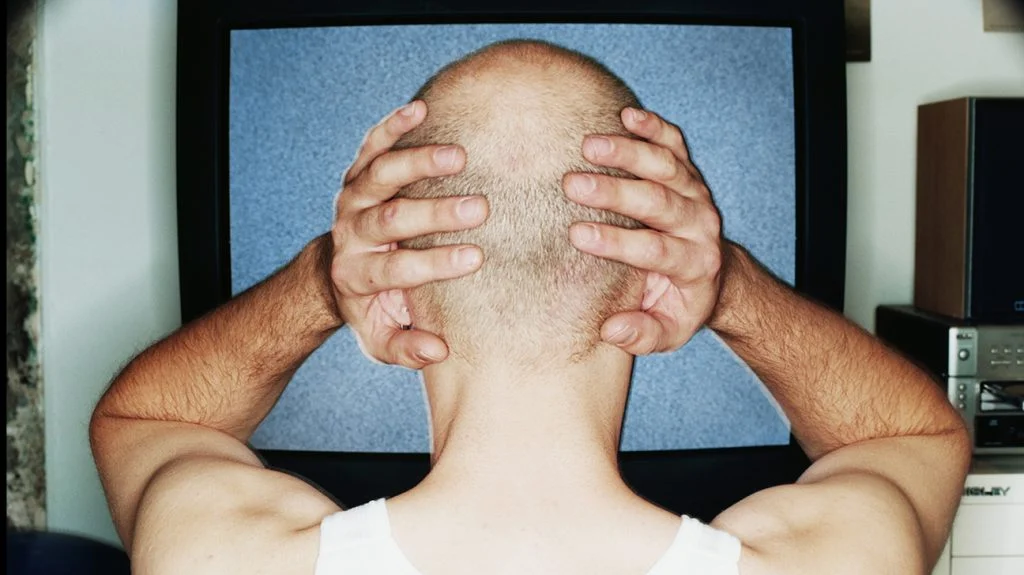
Tension headaches (or tension-type headache, TTH) tend to produce a sensation of pressure or tightness about the forehead. Discomfort can also occur in the neck, shoulders, or scalp. These headaches typically last 30 minutes to 7 days.
Symptoms are:
A feeling of squeezing around the head (including the back) that can also occur on the face or neck
Mild to moderate pain (occasionally severe)
No increase in pain with physical activity
No vomiting or nausea
Find out more about tension headache causes and treatments.
2. Migraine
Migraines are one of the most common forms of regular headaches, usually beginning in childhood and increasing frequency and intensity with age. In adults, they may come several times a week—particularly in women between the ages of 35 and 45.
Symptoms most often include:
Severe throbbing pain (usually on one side of the head)
Nausea and vomiting
Visual changes
Sensitivity to light, noise, and odors
Tender muscles and sensitive skin
Episodes of hours to days
Increasing pain with activity
Individuals will sometimes get an “aura” before a migraine, including flashing lights or other vision changes.
Learn more about migraine triggers and treatments.
3. Cervicogenic Headache
These headaches begin in the neck and radiate into the head, usually because of inflamed cervical nerves.
Symptoms are:
Eye and vision difficulties
Pain in the neck, shoulder, or arm (usually on one side)
Headache provoked by head or neck movements
Nausea
Light or noise sensitivity
Find out more about cervicogenic headache causes and treatments.
4. Occipital Neuralgia
A rarer type of headache, occipital neuralgia involves the back of the head. It’s associated with inflammation or injury of the occipital nerves, which extend from the neck up to the scalp. Potential causes are underlying conditions, tension in the neck, or unidentified factors.
Symptoms:
Recurring throbbing or burning pain
Intermittent sharp, shock-like pains
Pain typically on one side, elicited by neck motion
Tenderness of the scalp
Sensitivity to light
Since symptoms may overlap, occipital neuralgia is occasionally confused with migraines. One distinguishing point? Pain is exacerbated when pressure is applied to the back of the head.
Find more information on causes and treatments for occipital neuralgia.
5. Exercise-Induced Headache
These headaches occur during or immediately following strenuous physical exertion, appearing suddenly and escalating rapidly. Triggers may be weightlifting, running, sex, or even straining on the toilet.
Symptoms:
Thunderclap-like pulsating pain on both sides of the head
5 minutes to 2 days in duration
Can be a mimic of migraine
Typically a one-time occurrence
Find out more about exercise-related headaches.
6. Cluster Headache
Cluster headaches produce sudden, severe pain—usually near one eye—that is sharp or burning. Attacks last 15 minutes to several hours before disappearing altogether. Recurring attacks (cluster periods) can occur days, weeks, or months.
Other symptoms:
Restlessness
Red, inflamed eye
Stuffy nose or watery nose
Pale skin or sweating on the face
Sagging eyelid
Read more about cluster headache causes and treatment.
7. Medication-Overuse (Rebound) Headache
Too-frequent taking of pain medications (more than 10–15 days a month) can produce rebound headaches.
Symptoms:
Chronic, almost-daily headaches
Increased pain on waking
Headaches upon withdrawal of medication
Other issues may include:
Drowsiness, nausea, anxiety
Irritability, fatigue
Weakness, restlessness
Difficulty concentrating, depression
8. Low-Pressure (Positional) Headache
These are due to low cerebrospinal fluid pressure and become worse while sitting or standing and better when reclining. Triggers are bending, coughing, sneezing, or straining.
Symptoms:
Severe headache pain at the back (occasionally front or whole head)
Characterized as pressure-like, stabbing, or throbbing
May subside with time
Headaches in the Back of the Head: Causes and Treatments
Some headaches specifically target the back of your head. These can stem from tension, migraines, or even taking too much pain medication. Interestingly, some causes might also make your neck hurt along with your head.
Let’s break down the eight most common culprits behind that nagging pain in your noggin’s rear:
- Tension headaches
- Migraines
- Medication overuse headaches
- Occipital neuralgia
- Exercise-induced headaches
We’ll explore what each one feels like, how to treat them, and ways to prevent them from ruining your day.
What they feel like:
- That tight headband sensation (back of head included)
- Pain ranging from annoying to “make it stop” levels
- Exercise won’t make it worse
- No stomach upset (thank goodness)
Summary
Headaches are pretty common. They can really mess with someone’s day-to-day life and make even simple tasks harder to handle.
A lot of headaches fade away on their own, but sometimes, there’s a more serious reason behind them. If you’re feeling pain at the back of your head and it’s worrying you, it’s best to check in with a doctor. If there’s an underlying issue that needs attention, getting it sorted out sooner rather than later is the way to go.