

Type 2 diabetes in children
Type 2 diabetes is a lifelong condition that can develop at any age, but it’s rare before adolescence. Because it tends to come on slowly, spotting and diagnosing it in kids can be tricky.
The National Diabetes Statistics Report (2020) shows that around 210,000 children and teens under 20 in the U.S. have been diagnosed with diabetes.
While type 2 diabetes is less common than type 1 in young people, the same report found that between 2014 and 2015, about 5,758 kids aged 10–19 in the U.S. were diagnosed with it.
The number of children with type 2 diabetes is rising, along with obesity rates.
If left untreated, type 2 diabetes can lead to serious health problems. But with careful diet control, lifestyle changes, and medication to manage blood sugar, long-term remission is possible.
This article explores how type 2 diabetes affects children.
Symptoms
Type 2 diabetes often develops gradually, so symptoms can be hard to notice—some kids might not have any at all.
Statistics show that roughly 34.2 million people in the U.S. have diabetes, and about 7.3 million of them may not even know it.
Symptoms are similar in kids, teens, and adults. A child with type 2 diabetes might experience:
- Frequent urination – They may need to pee more often because excess sugar in the blood gets flushed out through urine, taking extra water with it.
- Increased thirst – More urination can lead to dehydration, making them feel thirstier.
- Fatigue – If the body isn’t using blood sugar properly, they may feel tired. The stress of managing diabetes can also cause ongoing exhaustion.
- Blurry vision – High blood sugar can pull fluid from the eye lenses, making it harder to focus.
- Darkened skin – Insulin resistance can cause acanthosis nigricans, where patches of skin (like the armpits or neck) darken.
- Slow-healing sores – High blood sugar can delay recovery from cuts or infections.
Causes
Diabetes happens when the body struggles to control blood sugar (glucose). Normally, the pancreas releases insulin, a hormone that helps glucose enter cells—lowering blood sugar levels.
But in type 2 diabetes, the body either doesn’t make enough insulin or becomes resistant to it, so cells don’t respond properly.
While anyone can develop type 2 diabetes, kids who are overweight or obese are at higher risk.
Years ago, doctors called it “adult-onset diabetes” because it mostly affected adults. But as obesity rates climb, more children and teens are being diagnosed.
Risk Factors
Obesity raises the risk of type 2 diabetes by causing insulin resistance—where organs don’t absorb sugar well from the blood. This leads to high blood sugar, glucose intolerance, inflammation, and excess glucose production in the liver.
The CDC reports that in 2015–2016, about 18.5% of U.S. kids aged 2–19 had obesity. A 2017 study found that people under 25 with obesity were four times more likely to develop type 2 diabetes than those at lower weights.
Secondhand smoke may also play a role. A 2013 study of 37,343 women in France found that those exposed to parental smoking as kids had an 18% higher risk of type 2 diabetes.
Over 75% of kids with type 2 diabetes have a close relative (parent or sibling) with it—whether due to genes or shared habits.
The CDC also notes that type 2 diabetes is more common among African American, Hispanic/Latino, American Indian, Alaska Native, and some Asian American and Pacific Islander populations.
Diagnosis
To diagnose type 2 diabetes, a doctor will:
- Ask about symptoms.
- Test blood sugar levels (possibly with a urine test too).
Common U.S. blood tests include:
- Fasting blood glucose – Done after not eating. A result over *126 mg/dL* suggests diabetes.
- A1C test – Measures long-term blood sugar control. *Above 6.5% (48 mmol/L)* indicates diabetes.
- Random blood glucose – Taken anytime. *Over 200 mg/dL* may mean diabetes.
For a confirmed diagnosis, doctors may repeat tests or use additional checks like glucose tolerance tests.
Treatment
Treatment for kids is similar to adults—focusing on diet, exercise, and sometimes medication (though fewer drugs are FDA-approved for children).
Key steps include:
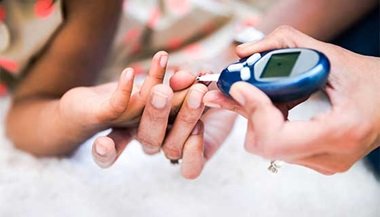
- Monitoring blood sugar – Kids (or caregivers) may need to check levels regularly.
- Insulin management – If insulin is needed, parents, teachers, or babysitters should know how to give it.
- Emergency care – Caregivers should learn to use glucagon shots if blood sugar drops dangerously low.
- Lifestyle changes – Weight management, activity, and diet adjustments are crucial.
- Medical ID – Kids on insulin should wear a diabetes bracelet with key info (like “insulin-controlled”) in case of emergencies.
Doctors tailor treatment plans based on the child’s age, needs, and condition severity.
Prevention
Preventing type 2 diabetes mostly involves healthy habits:
- Maintaining a healthy weight – Doctors can advise on ideal weight ranges.
- Eating balanced meals – Limit added sugars and high-GI carbs (like white bread). Focus on veggies, lean proteins, whole grains, and fruit.
- Staying active – The WHO recommends at least 60 minutes of daily activity for kids 5–17. Swap screen time for outdoor play or family sports.
Complications
Without proper management, kids with type 2 diabetes face higher risks later in life, including:
- Heart disease and stroke
- High blood pressure and cholesterol
- Eye damage (diabetic retinopathy)
- Nerve damage (diabetic neuropathy)
- Kidney problems (diabetic nephropathy)
- Pregnancy complications
Outlook
As childhood obesity rises, so does type 2 diabetes in kids. Detecting it early can be tough, and the long-term effects are still unclear.
But with a healthy diet, regular exercise, and proper care, kids can manage—or even prevent—type 2 diabetes effectively.