
Psoriasis: Common Myths vs. Facts
August is Psoriasis Awareness Month, and we’re taking this opportunity to bust some common myths surrounding psoriasis. From diet and hygiene to treatments, we’re setting the record straight about this often misunderstood condition.
Medically reviewed by Amanda Caldwell, MSN, APRN-C — Written by Tim Newman — Updated on April 2, 2024
In this Medical Myths series, we tackle the misinformation surrounding medical conditions, using expert insight and peer-reviewed research to give you the facts. Psoriasis is one of the most misunderstood conditions, so let’s clear up some of these myths.
What is Psoriasis?
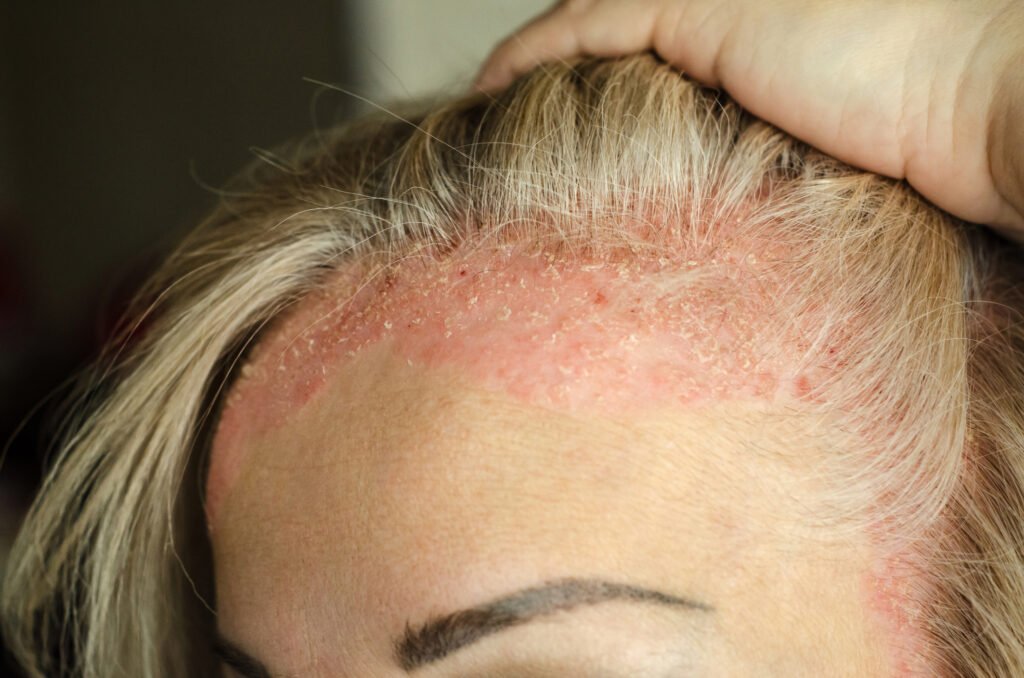
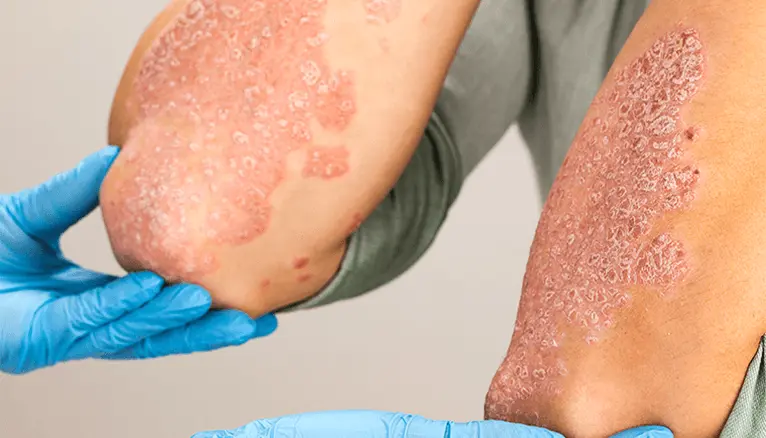
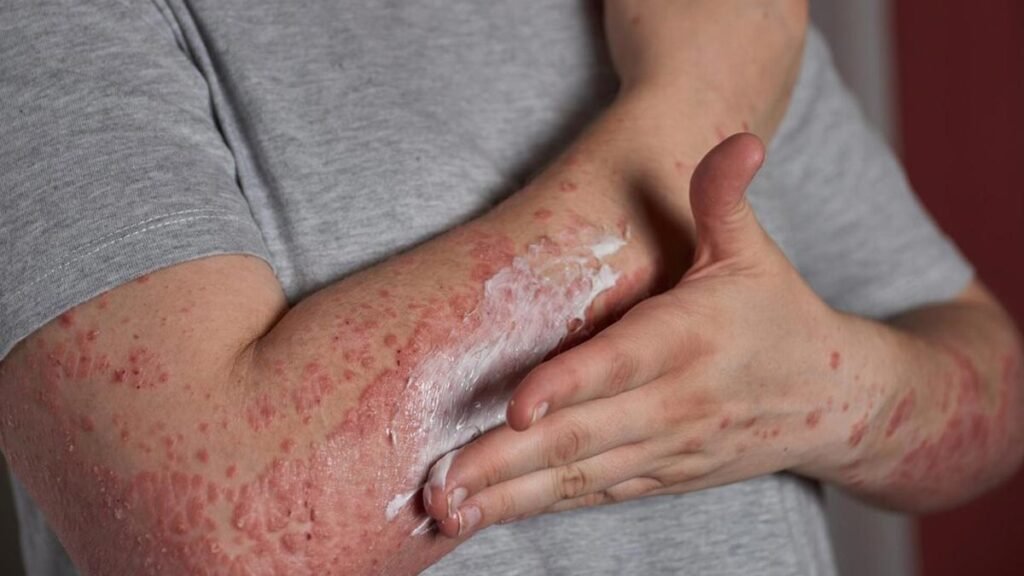
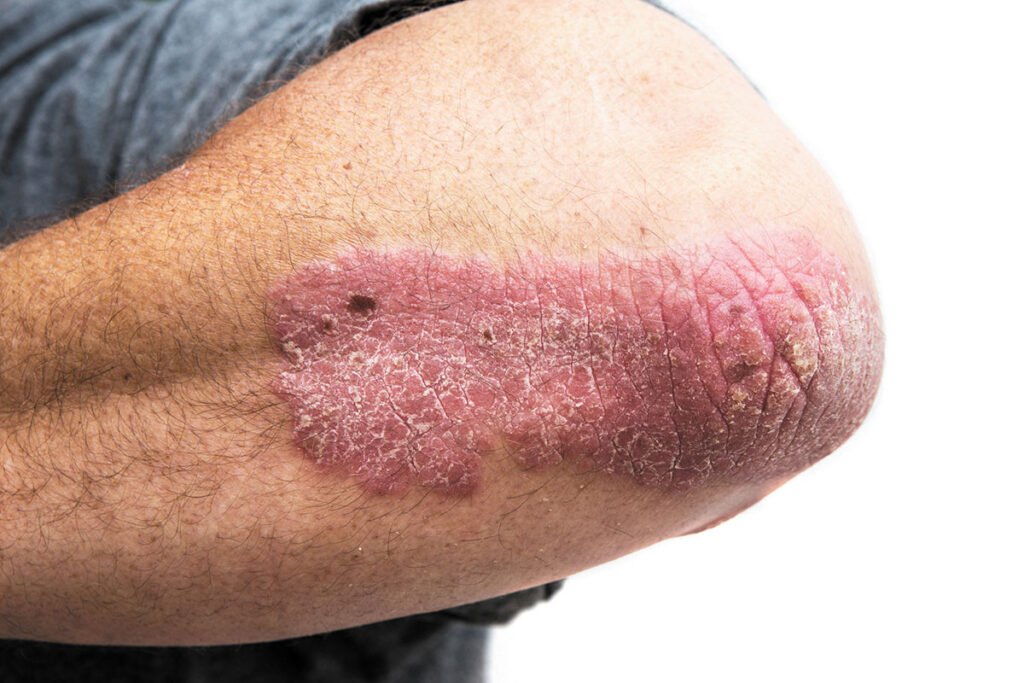
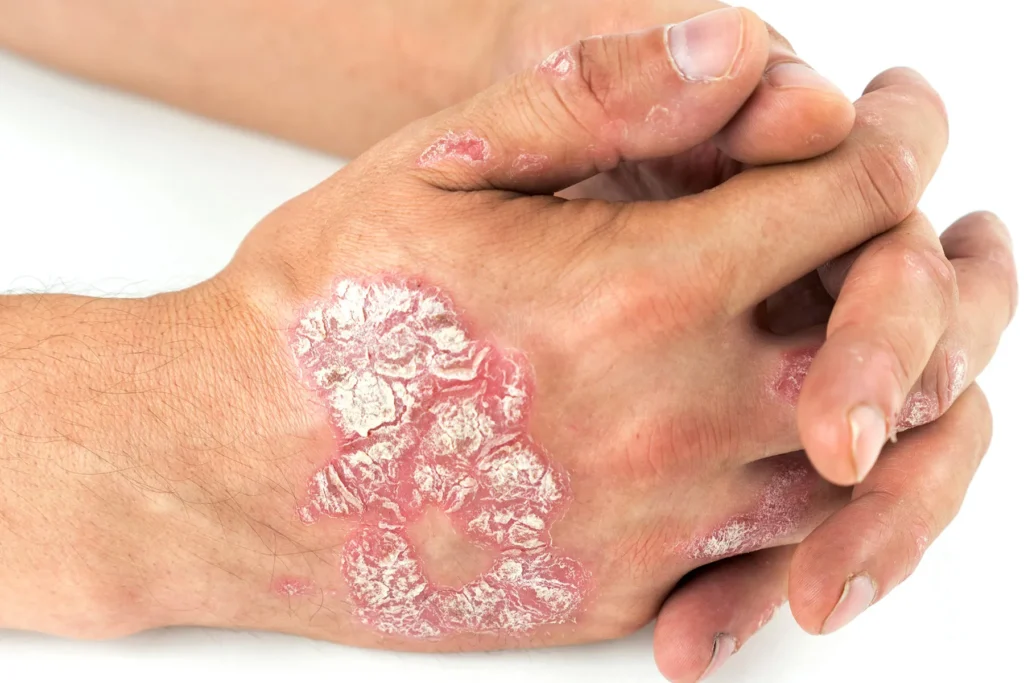
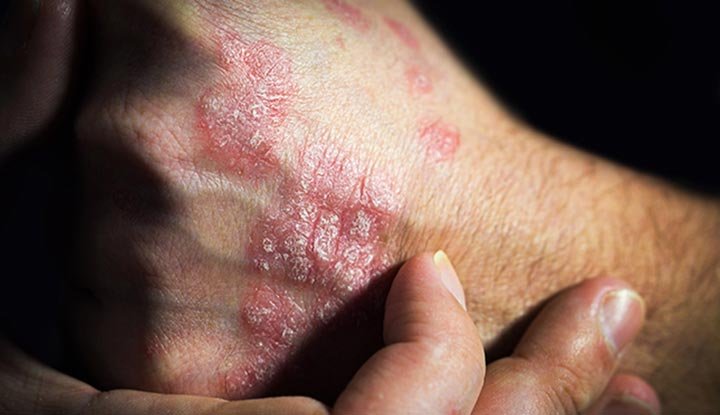
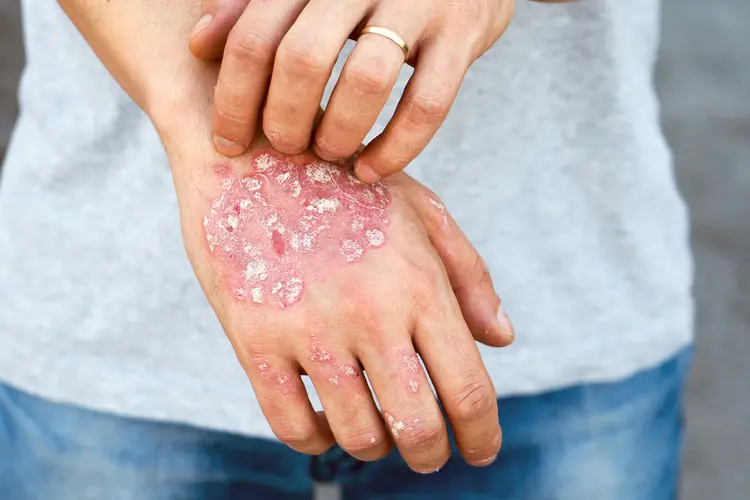
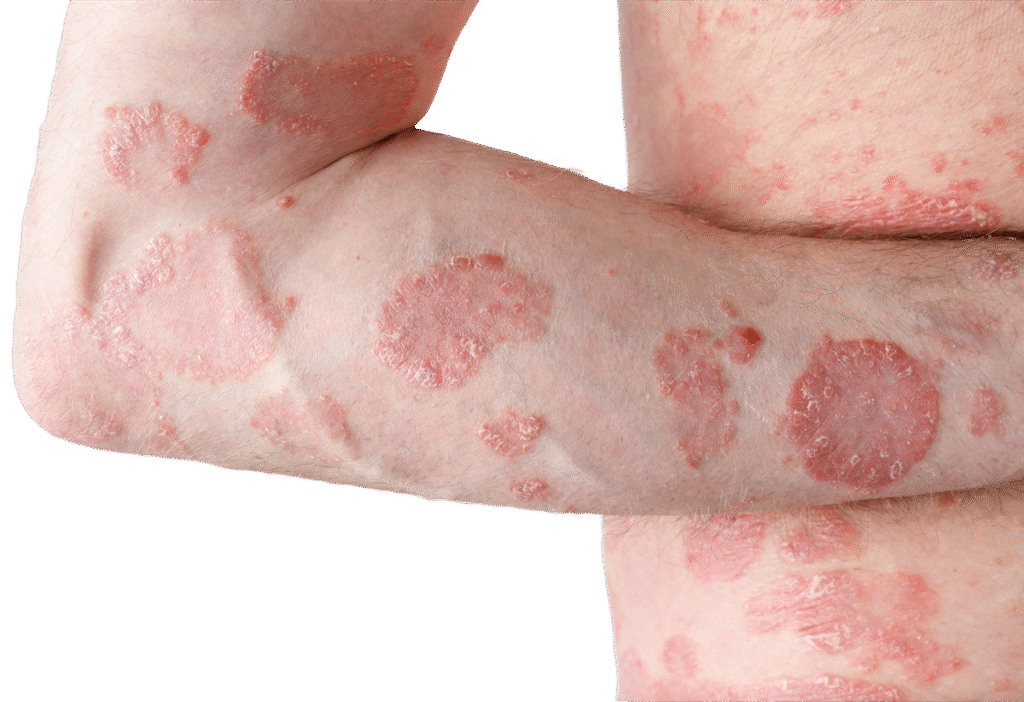
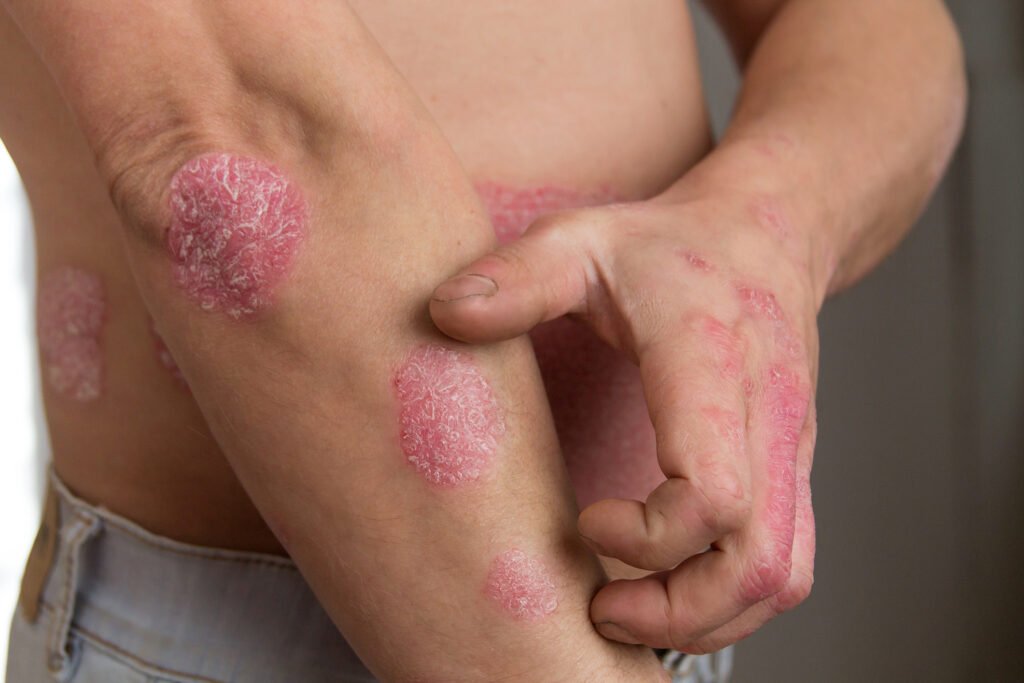
Psoriasis is an autoimmune condition that leads to the rapid production of skin cells, causing red, flaky patches to appear on the skin. These patches often show up on the knees, elbows, scalp, and back and can be red on lighter skin or purple on darker skin tones. Although it’s common, psoriasis can affect a person’s quality of life, both physically and psychologically. It also carries a stigma that can impact those who live with it.
Psoriasis Myths vs. Facts
1. Psoriasis is Contagious
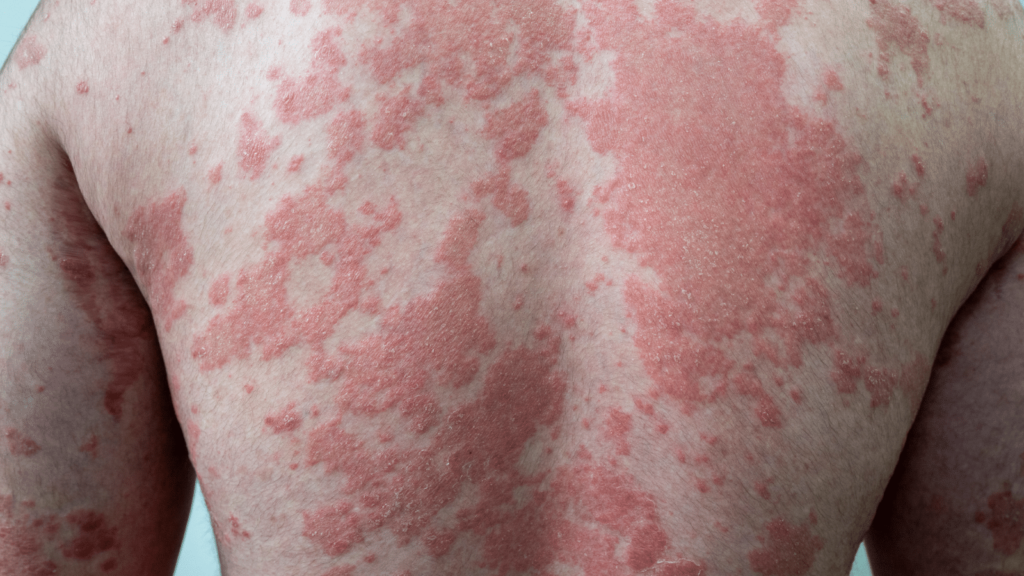
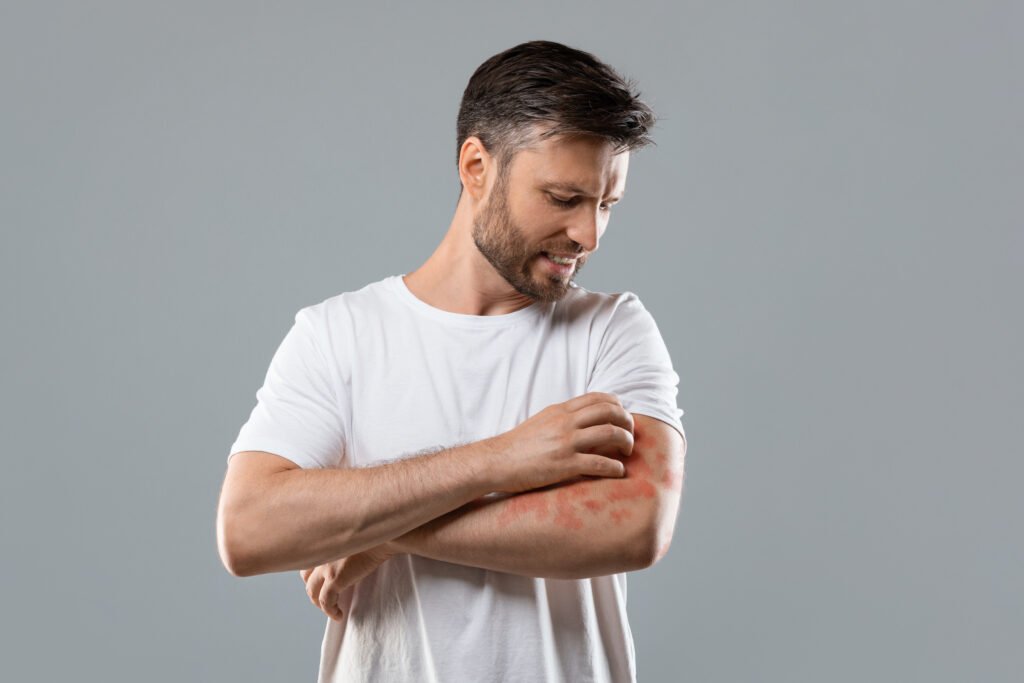
Myth: Psoriasis can be spread through contact.
Fact: Psoriasis is not contagious. It’s an autoimmune condition where the immune system mistakenly produces too many skin cells. It cannot be spread through touching, kissing, or sharing food and drinks.
2. Psoriasis is Just Dry Skin
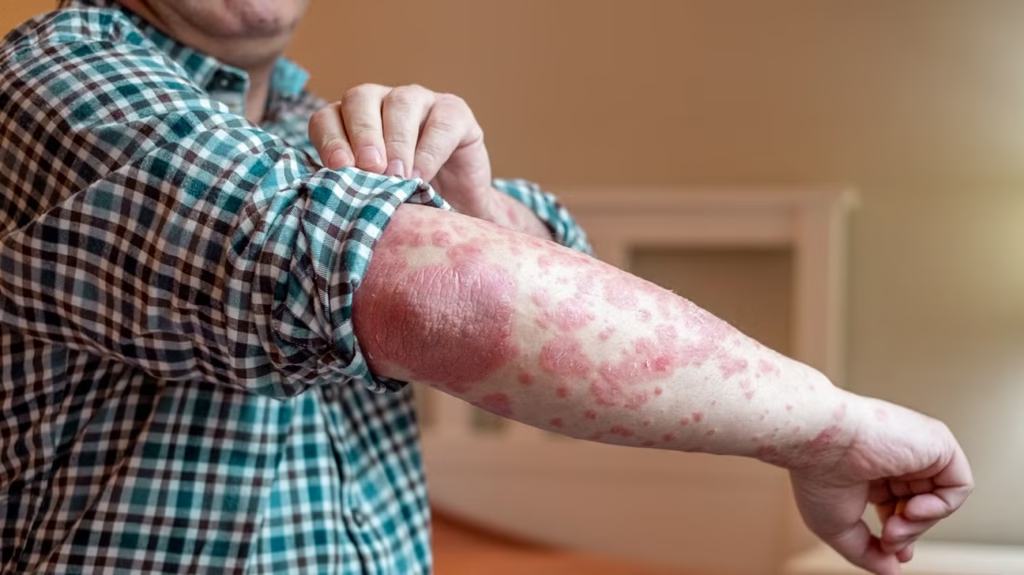
Myth: Psoriasis is simply dry skin that needs moisturizing.
Fact: Psoriasis is much more than dry skin. The condition causes the skin to shed cells rapidly, creating thick, scaly patches. These areas may become red, cracked, and painful. In severe cases, psoriasis can crack and bleed, making even basic tasks difficult.
3. There’s Only One Type of Psoriasis
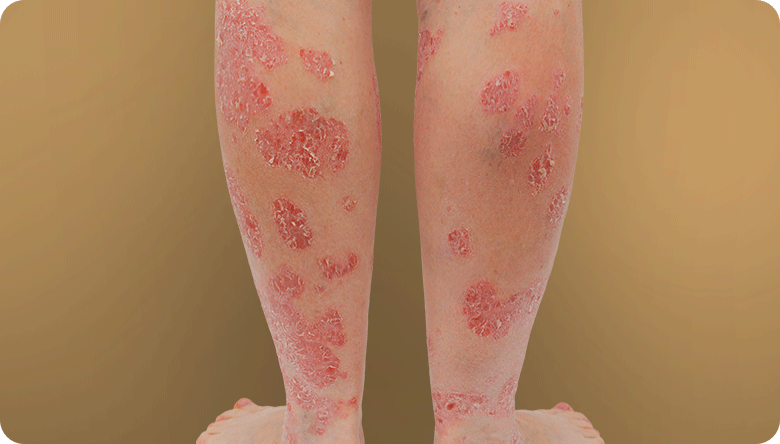
Myth: All cases of psoriasis look the same.
Fact: Psoriasis comes in several forms, including:
- Plaque psoriasis: The most common type, with thick, silvery scales.
- Guttate psoriasis: Small, tear-shaped patches.
- Inverse psoriasis: Found in skin folds like the armpits or groin.
- Erythrodermic psoriasis: A rare, severe form that causes peeling rashes all over the body.
- Pustular psoriasis: Pus-filled bumps, typically on the hands and feet.
4. Psoriasis is Caused by Poor Hygiene
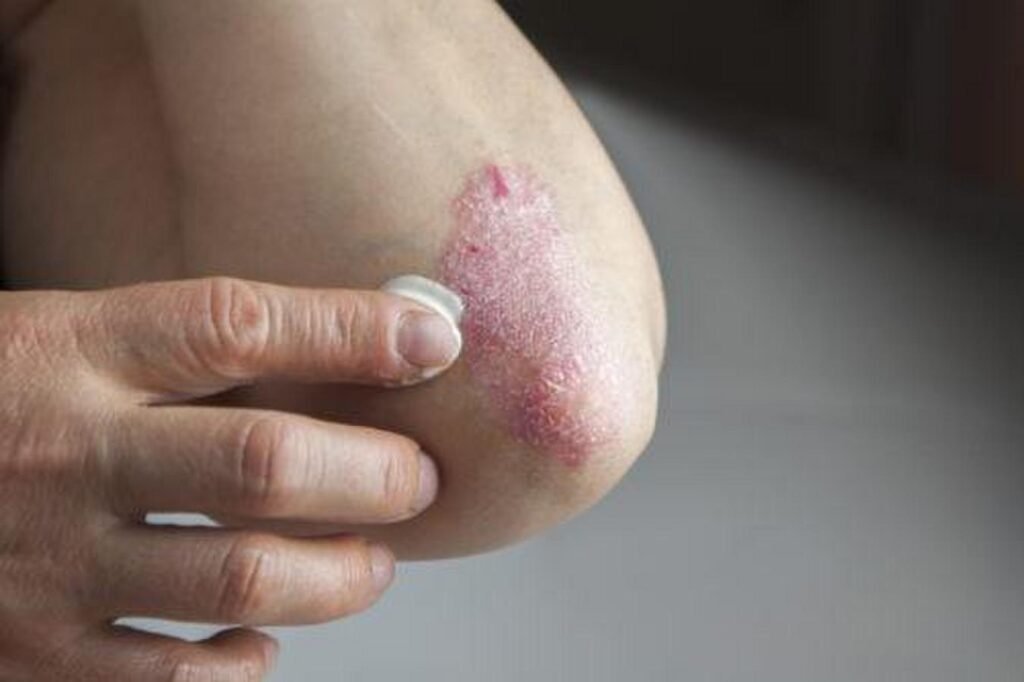
Myth: People with psoriasis must have poor hygiene.
Fact: Psoriasis is not related to hygiene. In fact, people with psoriasis often have to maintain rigorous self-care routines due to the sensitivity and soreness of their skin. Regular treatment is needed to manage the condition.
5. Doctors Can Cure Psoriasis
Myth: Psoriasis can be cured by doctors.
Fact: While psoriasis can’t be cured, it can be managed with the right treatments. Ongoing research might lead to a cure in the future, but for now, doctors can offer various treatments that help control symptoms.
6. Psoriasis Only Affects the Skin
Myth: Psoriasis is only a skin condition.
Fact: Psoriasis can also affect the joints, leading to psoriatic arthritis. Additionally, the condition can cause psychological issues like anxiety and depression, affecting a person’s overall well-being.
7. No Treatments Can Relieve Psoriasis
Myth: There are no treatments for psoriasis.
Fact: There are multiple treatments for psoriasis, ranging from topical creams and ointments to light therapy and medication. Treatments can help relieve symptoms and improve quality of life.
8. Psoriasis Only Affects Adults
Myth: Psoriasis only occurs in adults.
Fact: While psoriasis is most common in adults, it can also appear in children, even babies. The condition often begins in adolescence and can persist throughout life.
9. Psoriasis is the Same as Eczema
Myth: Psoriasis and eczema are the same thing.
Fact: Psoriasis and eczema are different conditions. Psoriasis is an autoimmune disease, while eczema is often linked to allergic reactions. They also affect different areas of the skin and have different causes.
10. Changing Your Diet Can Cure Psoriasis
Myth: A specific diet can cure psoriasis.
Fact: There is no evidence that any particular diet can cure psoriasis. While maintaining a healthy diet and lifestyle can help manage symptoms, changes in diet alone won’t eliminate the condition.
Frequently Asked Questions (FAQ)
Q1: What exactly causes psoriasis?
Psoriasis is caused by an overactive immune system that produces too many skin cells. This results in the rapid turnover of skin cells, leading to the buildup of scales.
Q2: Can psoriasis be cured?
Currently, there is no cure for psoriasis, but it can be managed effectively with various treatments, including topical creams, light therapy, and systemic medications.
Q3: What are the treatment options for psoriasis?
Treatment options include:
- Topical treatments like creams, ointments, and gels.
- Light therapy (phototherapy) to reduce inflammation.
- Systemic medications such as oral drugs or injections for severe cases.
Treatment plans are personalized, depending on the severity and type of psoriasis.
Q4: Can psoriasis affect my joints?
Yes, up to 42% of people with psoriasis also develop psoriatic arthritis, which affects the joints and can cause pain and stiffness, particularly in the knees, hands, and feet.
Q5: Is psoriasis linked to mental health issues?
Yes, psoriasis can impact mental health, leading to anxiety, depression, and low self-esteem. The visible nature of the condition can affect a person’s confidence.
Q6: Can stress trigger a psoriasis flare-up?
Yes, stress is a common trigger for psoriasis flare-ups. Managing stress through relaxation techniques or therapy can help reduce the frequency of flare-ups.
Q7: Is there a link between psoriasis and diet?
While there’s no specific diet that cures psoriasis, maintaining a healthy lifestyle with a balanced diet, regular exercise, and avoiding triggers like alcohol and smoking can help manage symptoms.
Q8: Is psoriasis hereditary?
Psoriasis tends to run in families, so genetics play a role. If someone in your family has psoriasis, your chances of developing the condition are higher.
Q9: What is the best way to manage psoriasis?
Managing psoriasis often involves a combination of treatments, lifestyle changes, and ongoing consultations with healthcare professionals. It’s important to work closely with a doctor to develop a personalized plan.
Q10: Can psoriasis go away on its own?
Psoriasis is a chronic condition, which means it doesn’t go away permanently. However, symptoms may improve or worsen over time. With the right treatments, flare-ups can be minimized.
In Conclusion
While there’s no cure for psoriasis yet, the condition is manageable with proper treatment. If you think you might have psoriasis, the best course of action is to speak with a doctor to start managing it early on. With ongoing research, better treatments may be on the horizon, and one day, there may even be a cure. For now, managing symptoms and improving quality of life is possible with the right care.