
Debunking Common Myths About Strokes
Every year, around 795,000 people in the United States experience a stroke, with about 610,000 of those being first-time strokes. Globally, stroke was the second leading cause of death in 2019, making up 11% of all deaths.
There are three main types of strokes:
- Ischemic Stroke – This is the most common, accounting for 87% of strokes, and occurs when blood flow to the brain is blocked.
- Hemorrhagic Stroke – This type happens when a blood vessel in the brain ruptures, causing damage to surrounding tissues.
- Transient Ischemic Attack (TIA), also known as a “ministroke” – This is a temporary blockage of blood flow, usually lasting no more than 5 minutes.
Despite being so common, there are many myths about stroke. To help clarify the facts, we spoke with Dr. Rafael Alexander Ortiz, Chief of Neuro-Endovascular Surgery at Lenox Hill Hospital, to bust these myths and improve our understanding of stroke.
Common Stroke Myths vs. Facts
1. Stroke is a Heart Problem
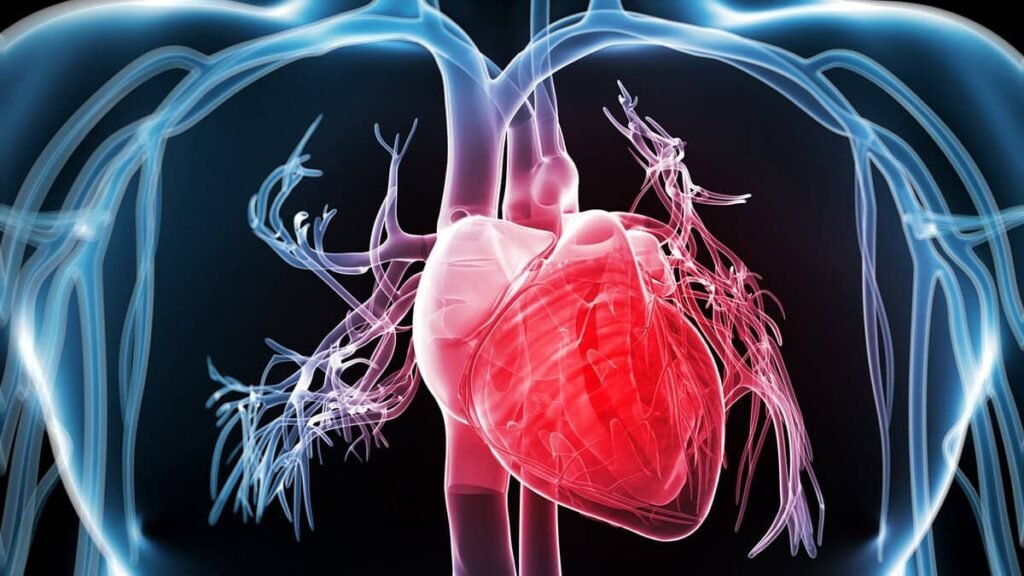
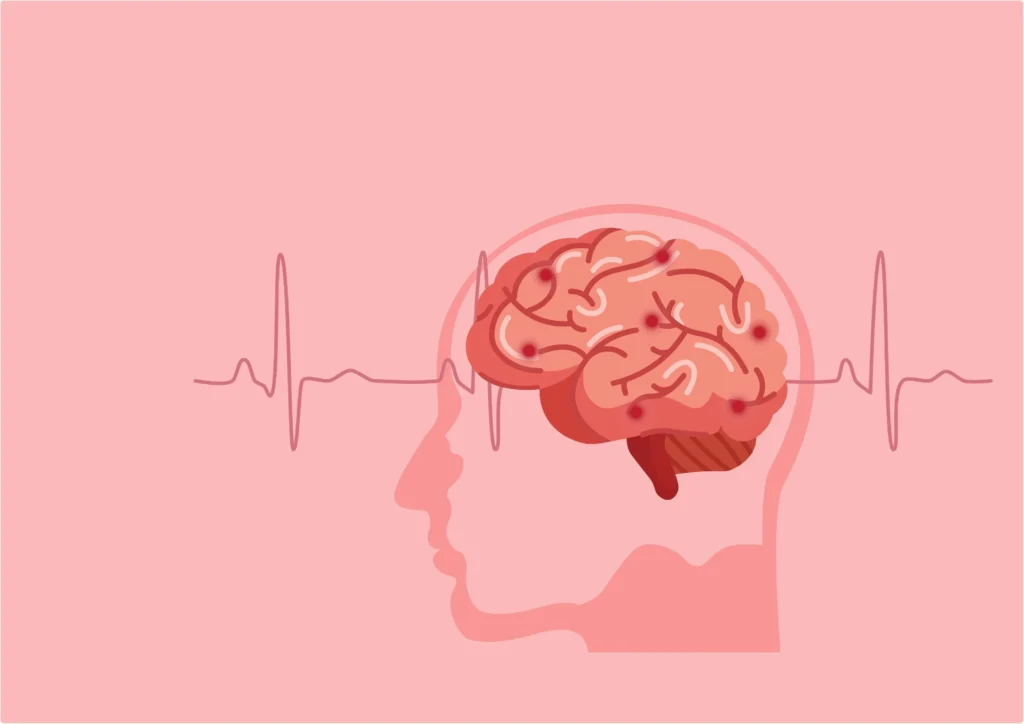
Myth: A stroke is caused by problems with the heart.
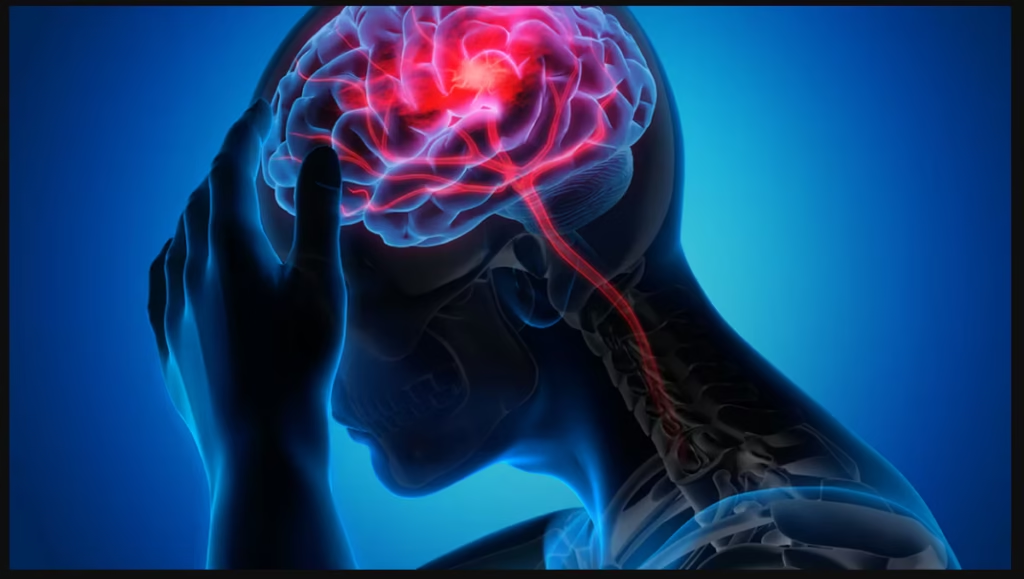
Fact: Strokes happen in the brain, not the heart. They are caused by either a blockage or rupture in the brain’s blood vessels, not the heart. While cardiovascular risk factors like high blood pressure and high cholesterol can increase the risk of stroke, the condition itself occurs in the brain, not the heart.
2. Stroke is Not Preventable
Myth: You can’t prevent a stroke.
Fact: Many stroke risk factors, such as high blood pressure, smoking, high cholesterol, and obesity, can be managed through lifestyle changes. Exercising regularly, eating a healthy diet, and managing stress can lower your risk of stroke. Reducing alcohol consumption can also help.
3. Stroke Doesn’t Run in Families

Myth: Stroke doesn’t have a genetic component.
Fact: While stroke can be influenced by lifestyle, genetics also plays a role. Certain genetic conditions, such as sickle cell disease, can increase the risk of stroke. Families often share lifestyle habits that can contribute to stroke risk, like poor diet and lack of exercise, further increasing the likelihood of stroke.
4. Stroke Symptoms Are Hard to Recognize

Myth: Stroke symptoms are difficult to spot.
Fact: The most common signs of stroke can be remembered using the acronym F.A.S.T.:
- Face Drooping: One side of the face may droop or be numb.
- Arm Weakness: One arm may feel weak or numb.
- Speech Difficulty: Slurred or strange speech.
- Time to Call 911: If you see these symptoms, it’s time to call for help.
Other symptoms may include numbness or weakness in the face, confusion, trouble speaking, difficulty seeing, and sudden headaches.
5. Stroke Cannot Be Treated

Myth: Once a stroke happens, it cannot be treated.
Fact: This is incorrect. Emergency treatments like clot-busting drugs, mechanical thrombectomy (clot removal), or surgery can reverse many stroke symptoms, especially if given within hours of symptom onset. The sooner treatment begins, the better the chances for recovery.
6. Strokes Only Happen in the Elderly

Myth: Strokes only affect older adults.
Fact: While age is a significant risk factor, strokes can happen at any age. In fact, 34% of stroke hospitalizations in 2009 were for people under age 65. Even young adults and adolescents can have strokes, especially if they have risk factors like high blood pressure, obesity, or smoking.
7. All Strokes Have Symptoms

Myth: Every stroke has obvious symptoms.
Fact: Some strokes, known as “silent strokes,” don’t show symptoms. These strokes can be seen on MRIs as white spots but don’t cause immediate symptoms. Silent strokes are often discovered incidentally during scans for other issues, but they still pose a risk for future strokes and cognitive decline.
8. A Ministroke is Not Risky
Myth: A ministroke is harmless.
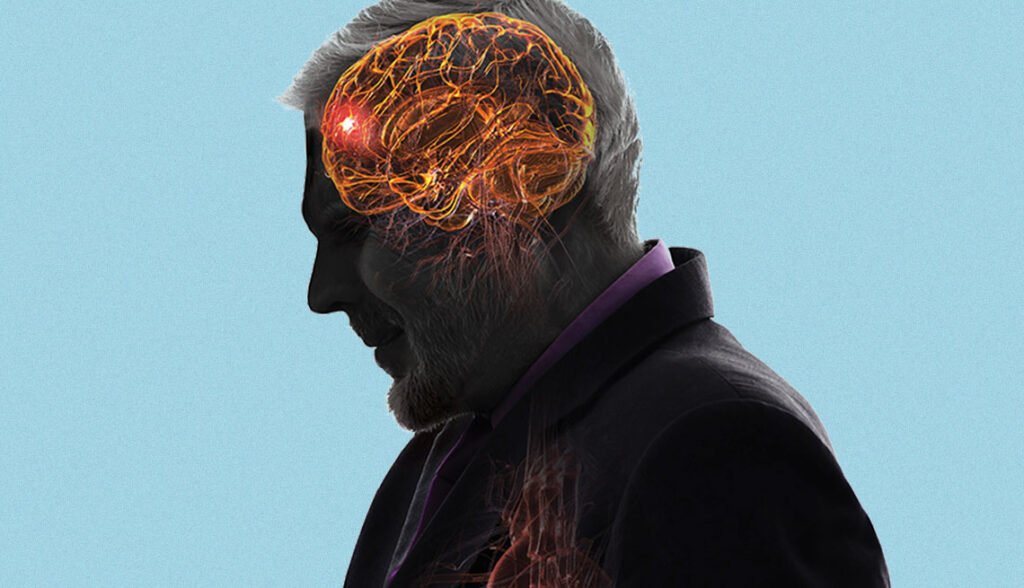
Fact: A “ministroke,” or Transient Ischemic Attack (TIA), is a warning sign that a larger stroke may be coming. Even though the symptoms may be brief, it’s crucial to seek emergency treatment, as a TIA can signal a higher risk of a more serious stroke in the future.
9. Strokes Always Cause Paralysis

Myth: Everyone who has a stroke ends up paralyzed.
Fact: While stroke is a leading cause of long-term disability, not everyone who experiences a stroke will face paralysis. Stroke outcomes vary widely depending on the severity and location of the brain damage. Some people may experience paralysis, while others may only have minor impairments or no noticeable symptoms.
10. Stroke Recovery Happens Quickly

Myth: Stroke recovery is fast.
Fact: Stroke recovery can take months or even years. Many people may not fully recover. Research shows that about 25% of stroke survivors recover with minor impairments, while 40% will experience moderate to severe impairments. Rehabilitation, especially within the first few months, can improve recovery chances.
Frequently Asked Questions (FAQ)
Q1: What exactly causes a stroke?
A stroke happens when blood flow to the brain is interrupted, either by a blockage (ischemic stroke) or a ruptured blood vessel (hemorrhagic stroke). The lack of oxygen causes brain cells to die, leading to brain damage.
Q2: Can a stroke be prevented?
Yes, by managing risk factors like high blood pressure, cholesterol, obesity, and smoking, many strokes can be prevented. A healthy diet, regular exercise, and stress management all play a key role.
Q3: What should I do if I think someone is having a stroke?
If you suspect someone is having a stroke, act quickly by using the F.A.S.T. acronym. Call 911 immediately and get the person to a hospital as quickly as possible for treatment.
Q4: Are strokes only a problem for older adults?
Strokes are more common as we age, but they can occur at any age. Younger people with certain health conditions, such as high blood pressure or obesity, can also have strokes.
Q5: Can a stroke be treated?
Yes! Strokes can often be treated if caught early. Emergency treatments like clot-busting drugs and surgery can help reverse symptoms, so it’s important to seek help as soon as possible.
Q6: Can silent strokes cause problems?
Yes, even though silent strokes don’t show symptoms, they can still lead to future strokes, cognitive decline, or dementia. They should be treated as seriously as strokes with visible symptoms.
Conclusion
Strokes are serious, but understanding the facts can help you react quickly and take steps to reduce your risk. While not all strokes can be prevented, managing your health and recognizing the warning signs can make a significant difference in outcomes. If you or someone you know is at risk, talking to a healthcare provider can help guide prevention and treatment strategies.