
12 Common Breast Cancer Myths — Debunked by Doctors
Breast cancer is one of the most talked-about health conditions, but despite all the awareness, myths and misconceptions still spread like wildfire. Let’s break down some of the most common myths about breast cancer with help from top experts — and set the facts straight.
1. Injury to the Breast Can Cause Cancer
It’s a common fear: “I bumped my breast — could it lead to cancer?” Fortunately, the answer is no. According to Dr. Zeidman, breast injuries do not cause cancer. However, trauma can lead to changes in breast tissue, like a condition called fat necrosis, which can look suspicious on a mammogram.
Fat necrosis may appear as an irregular lump with jagged edges — similar to a tumor — but it’s benign. If anything looks concerning, doctors usually recommend a needle biopsy to confirm what’s going on.
2. Underwire Bras Increase Breast Cancer Risk
Despite what some online sources claim, underwire bras do not increase your risk of breast cancer. That said, Dr. Zeidman often recommends avoiding them. Why?
Wires can irritate the skin under your breasts, sometimes causing breakdowns that let bacteria in. This can lead to infections or even abscesses — not cancer, but definitely uncomfortable.
3. IVF Raises Breast Cancer Risk
Since IVF treatments involve hormone-stimulating drugs that mimic estrogen, people worry this might boost breast cancer risk — especially for estrogen receptor-positive types.
However, recent meta-analyses of 30 years’ worth of observational studies have found no increase in breast cancer risk for women who undergo IVF or use ovarian stimulation drugs.
4. No Family History = No Risk

Think you’re in the clear because no one in your family had breast cancer? Think again. Dr. Zeidman explains that most people diagnosed with breast cancer have no family history at all.
In fact, the biggest risk factor is simply being a woman. In the U.S., 1 in 8 women will develop breast cancer during their lifetime. While 5–10% of cases are genetic, the vast majority are considered sporadic.
5. Stress Causes Breast Cancer

Let’s get this straight: Stress is bad for your health, but it doesn’t cause breast cancer. Dr. Zeidman emphasizes there is no scientific evidence linking stress to increased breast cancer risk.
That said, managing stress is still important for your overall well-being. It can improve both your mental and physical health — just don’t count on it to prevent cancer.
6. A Healthy Lifestyle Means Zero Risk

Living healthy is great — but it doesn’t make you immune to breast cancer. Dr. Zeidman points out that even world-class athletes and women who’ve had double mastectomies can still get breast cancer.
While being overweight after menopause does increase risk, no lifestyle choice can completely eliminate risk. But yes, healthy habits can help reduce it.
7. Breast Cancer Only Affects Older Women

It’s true that most cases are in women over 60 — but younger women can get breast cancer too. About 5% of cases are diagnosed in women under 40, including some in their 20s and even teens (usually with a strong family history).
If you have close relatives with breast or ovarian cancer, talk to your doctor about genetic counseling and possibly starting screening as early as age 25.
8. All Breast Lumps Mean Cancer

Not every lump is cancer. In fact, most new lumps are benign — especially if your recent mammogram was normal. Still, Dr. Zeidman urges people to get any new lump checked out by a healthcare provider, just to be safe.
9. Abortion Increases Breast Cancer Risk

This myth has been around for years, but the science doesn’t support it. A massive Danish study involving 1.5 million women found no link between abortion and breast cancer.
Other large-scale studies have backed this up too. While pregnancy does alter hormone levels, there’s no solid evidence that abortion increases breast cancer risk.
10. Carrying a Phone in Your Bra Causes Cancer
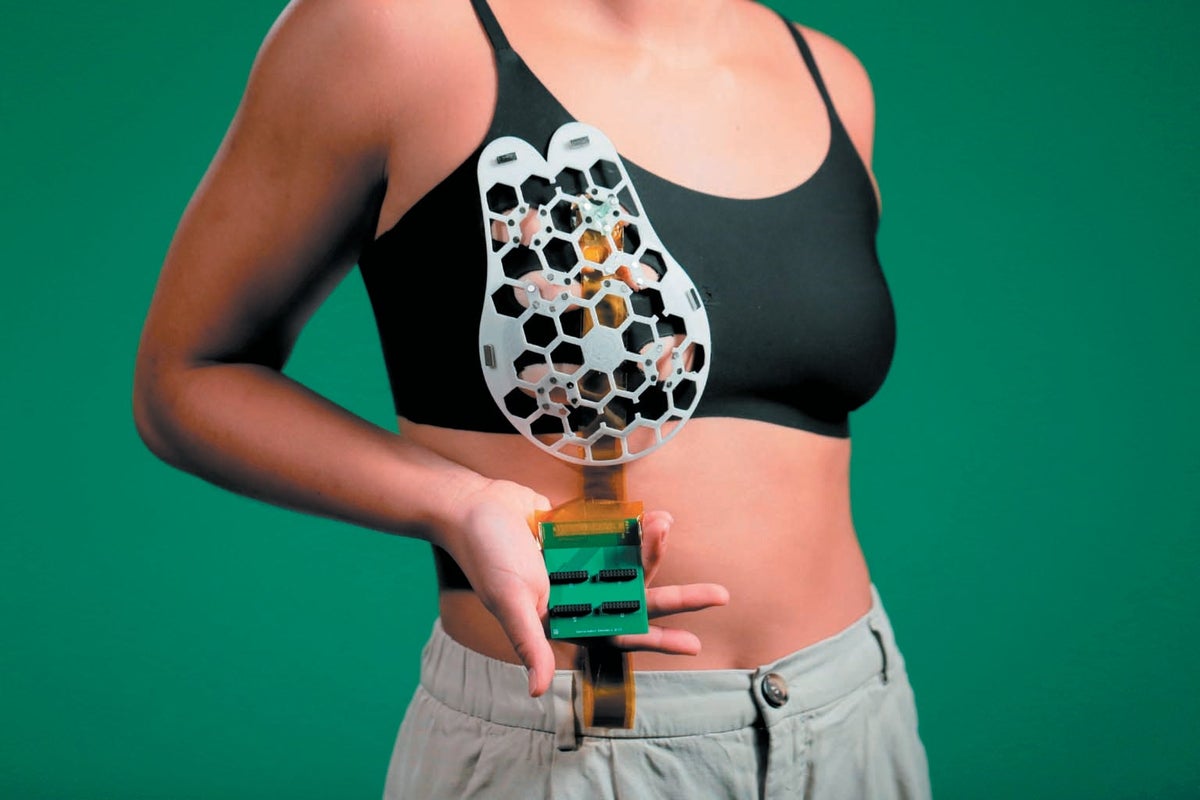
As of now, there’s no scientific proof that cell phones — whether in your bra or not — cause cancer. But Dr. Zeidman says it’s still smart to be cautious since we don’t have long-term data yet.
His advice? Play it safe and just use your pocket or bag instead.
11. Nipple Piercings Cause Breast Cancer

Nipple piercings don’t raise cancer risk — but they can cause other problems. Dr. Zeidman warns of infections, abscesses, nerve damage, blocked ducts, and even exposure to serious viruses like HIV and hepatitis.
That’s why he advises against getting them. And if you already have one? He suggests removing it.
12. Sugar Feeds Breast Cancer
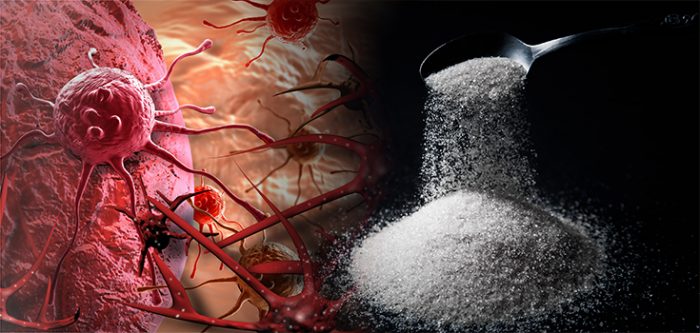
Here’s the deal: Sugar itself doesn’t directly cause breast cancer. But a diet high in added sugar can contribute to obesity and inflammation, both of which increase cancer risk.
While studies linking sugar and breast cancer are inconclusive, Dr. Zeidman recommends avoiding added sugar as much as possible — not just for cancer prevention, but for overall health.
FAQs About Breast Cancer
Q: Can men get breast cancer?
A: Yes, men can get breast cancer, though it’s much rarer. It’s important for men to report any breast changes too.
Q: When should I start getting mammograms?
A: Most women should start annual mammograms at age 40. If you have a strong family history, start earlier — around 30, after seeing a genetic counselor.
Q: What are some warning signs to look for?
A: Watch for new lumps, changes in breast size or shape, nipple discharge, skin dimpling, or persistent breast pain.
Q: Is breast cancer always hereditary?
A: No — only 5–10% of cases are inherited. Most are sporadic with no known family connection.
Q: Can I lower my risk of breast cancer?
A: While you can’t eliminate risk, maintaining a healthy weight, exercising, avoiding smoking, limiting alcohol, and regular screening can reduce your chances.
Conclusion: Knowledge Saves Lives
When it comes to breast cancer, facts matter. Myths can delay diagnosis, fuel anxiety, and hurt your health. By understanding the truth and staying informed, you can take smart steps to protect yourself.
Whether you’re 25 or 65, talk to your doctor, follow screening guidelines, and keep asking questions. The more we know, the better we can fight — and even prevent — breast cancer.