

9 Common Cholesterol Myths Debunked by Doctors
Cholesterol gets a bad rap, but there are a lot of misconceptions floating around. Let’s break down the most common myths with clear, expert-backed facts.
1. All Cholesterol is Bad

Not true! Cholesterol actually plays a vital role in our bodies. It helps build cell membranes and is essential for making hormones, vitamin D, and bile acids. So, we need cholesterol to survive.
As Dr. Robert Greenfield explains, cholesterol isn’t inherently bad. It only becomes harmful when our modern lifestyles cause it to build up in the wrong places — like our arteries.
Cholesterol travels in the blood via lipoproteins:
- LDL (Low-Density Lipoprotein): Known as “bad” cholesterol. High levels can increase the risk of heart disease.
- HDL (High-Density Lipoprotein): Known as “good” cholesterol. It helps remove excess cholesterol from the bloodstream.
So, it’s all about balance, not elimination.
2. I’m at a Healthy Weight, So My Cholesterol Must Be Fine
:max_bytes(150000):strip_icc()/LowCholesterol-b620a5a95dc24dc8915e8254473eae53.jpg)
Wrong again. Even if you’re slim, your cholesterol levels could be high. Genetics plays a big role — some people are born with conditions like familial hypercholesterolemia, which affects how the body processes cholesterol.
Lifestyle factors like smoking, diet, and exercise also influence cholesterol. As Dr. Paz puts it: weight alone isn’t the full picture.
3. I’d Have Symptoms if My Cholesterol Was High

Nope. High cholesterol is often called a silent killer because it doesn’t usually cause noticeable symptoms. Many people don’t know their levels are high until they have a heart attack or stroke.
That’s why routine blood tests are so important. Doctors can help decide when and how often to check, based on your risk factors.
4. Eating Cholesterol-Rich Foods Increases Blood Cholesterol

It’s not that simple. While dietary cholesterol can affect blood cholesterol, the bigger culprits are saturated fats, trans fats, and added sugars.
Dr. Lajoie points out that foods like red meat, cheese, and eggs contain both cholesterol and saturated fat — and it’s the saturated fat that often raises LDL levels. Exercise and genetics also influence how your body responds to these foods.
5. Everyone Should Have the Same Cholesterol Goals

Not true. Target levels vary depending on your health history.
If you’re generally healthy, an LDL below 100 mg/dL is recommended. But if you have heart disease, diabetes, or a history of stroke, the goal might be less than 70 mg/dL — or even lower. Your doctor can help set your personal target.
6. Only Men Need to Worry About Cholesterol

Definitely false. In fact, women are just as likely — and in some age groups, more likely — to have high cholesterol. After menopause, the risk for women rises sharply.
Dr. Greenfield notes that women also tend to have worse outcomes after a heart attack, making awareness even more important.
7. There’s Nothing I Can Do About High Cholesterol
Wrong! There’s plenty you can do. Lifestyle changes like eating a heart-healthy diet, staying active, quitting smoking, and limiting alcohol all help.
Medications like statins are also very effective and safe for many people. And newer treatments like PCSK-9 inhibitors offer even more options for those who need them.
8. I’m Taking Statins, So I Can Eat What I Want

Nice try — but no. Statins help lower LDL cholesterol, but they don’t give you a free pass to overeat or ignore other health habits.
As Dr. Greenfield explains, overconsuming calories (especially unhealthy ones) can lead to weight gain and metabolic syndrome, which raises your risk for diabetes and heart disease.
9. I’m Under 40, So I Don’t Need to Check My Cholesterol
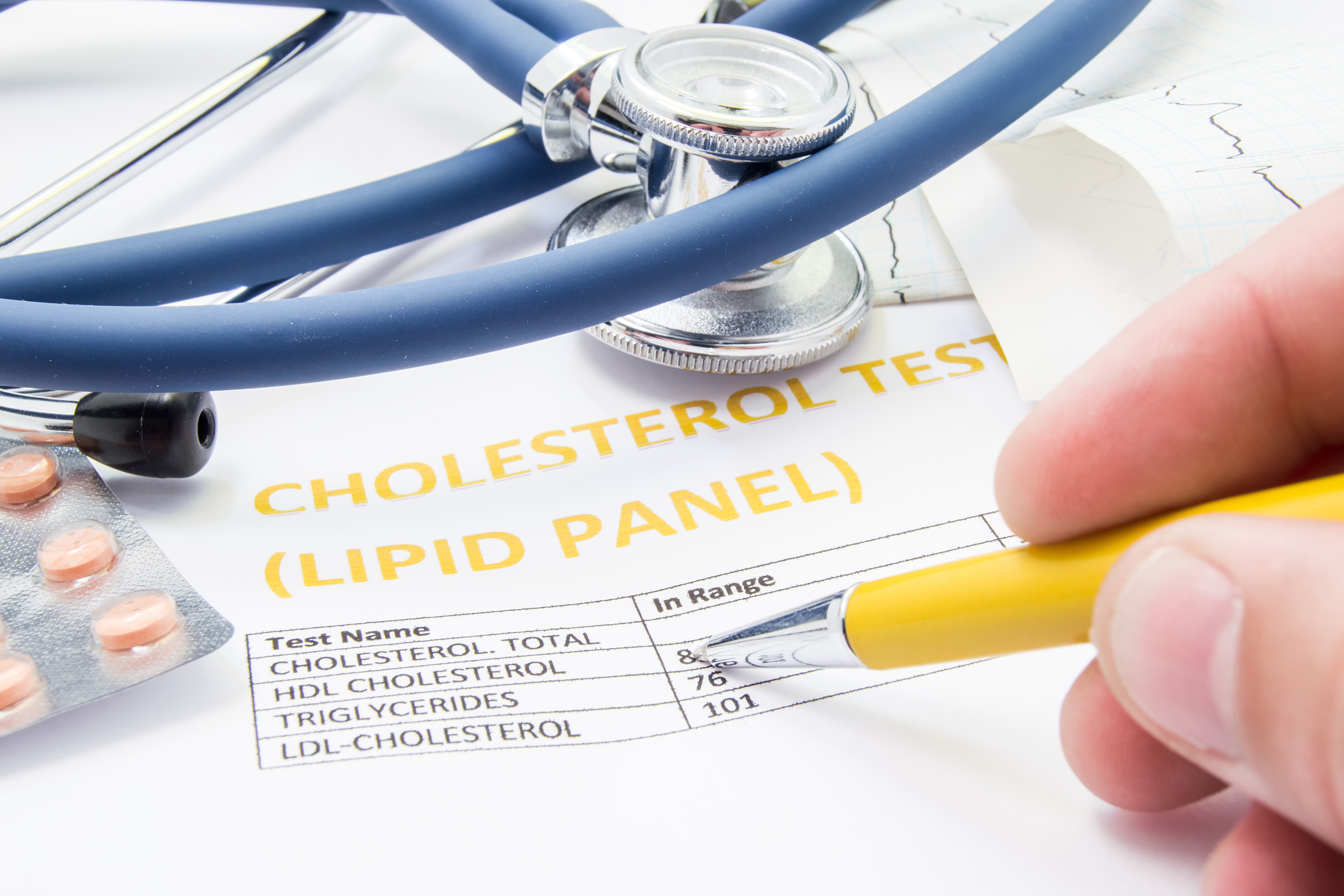
Think again. Experts recommend screening as early as age 20, especially if you have a family history of high cholesterol or heart disease.
As Dr. Greenfield says, “The longer your arteries are exposed to high cholesterol, the more damage it can do.” Early detection can lead to better outcomes later.
FAQs About Cholesterol
Q: Can thin people have high cholesterol?
A: Yes, genetics and lifestyle factors can affect cholesterol regardless of body weight.
Q: What’s the difference between HDL and LDL?
A: HDL is “good” and removes cholesterol from the blood. LDL is “bad” and can clog arteries.
Q: Are statins safe long term?
A: Yes, they’ve been used safely since the 1980s. Side effects are rare and manageable.
Q: How often should I check my cholesterol?
A: Every 4-6 years for healthy adults, or more often if you have risk factors.
Q: What foods lower cholesterol?
A: Oats, beans, nuts, fruits, vegetables, and fatty fish can all help improve your lipid profile.
Conclusion: Know Your Numbers
Don’t let myths steer your health decisions. Cholesterol is more nuanced than just “good” or “bad.”
Get tested, stay informed, and work with your healthcare provider to make the best choices for your heart. Small lifestyle changes can make a big difference — and even save your life.