
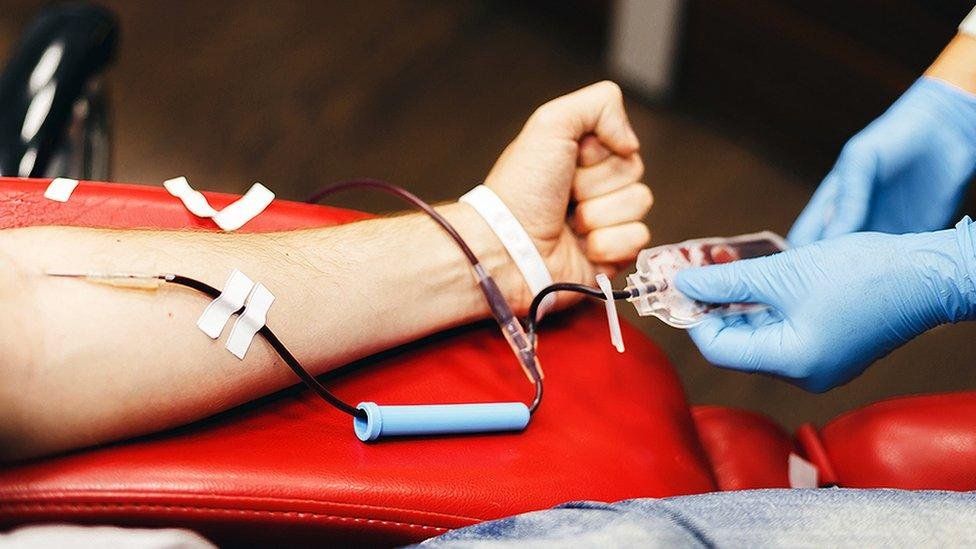
Blood Donation Myths: Busted and Explained
Donating blood is a life-saving act, yet many people hesitate to do it because of common myths and misconceptions. Let’s clear the air by debunking some of the most widespread myths with facts and expert input. Whether you’re a first-time donor or someone unsure if you qualify, this guide is for you.
1. Donating Blood Will Make You Sick
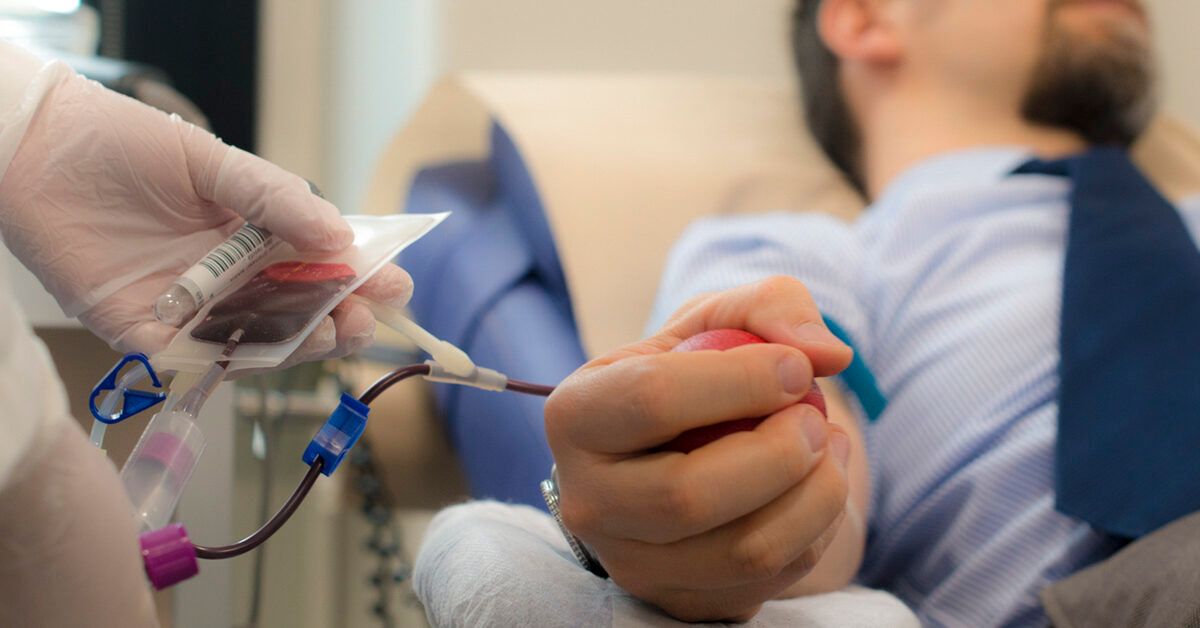
This is false. If you’re healthy when you donate, the process won’t make you sick. Doctors do recommend resting and staying hydrated afterward, but your health is not at risk.
Within 48 hours, your blood volume replenishes (thanks to plasma), and your red blood cells are fully restored within 4–8 weeks.
“Blood donation is extremely safe. Most donors are done in under 15 minutes after a brief health check and questionnaire. Reactions are rare.” — Dr. Emanuel Ferro, Pathologist and Blood Bank Director
You might feel a bit tired or lightheaded, and some people may bruise slightly at the needle site. These side effects are mild and temporary. Younger people and those with lower body weight are more likely to feel dizzy, but that can often be prevented by drinking plenty of fluids beforehand.
2. Older Adults Can’t Donate Blood
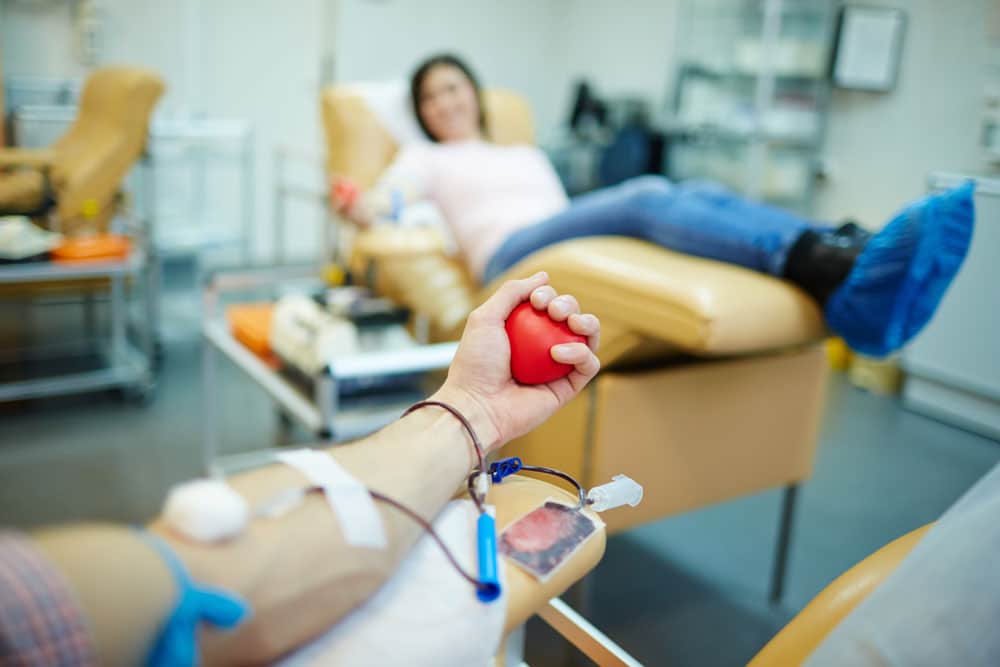
Not true. In the U.S., anyone over 16 and weighing at least 110 pounds can donate. Some countries have age limits, but many allow healthy older adults to donate, especially if they’ve done so in the past two years.
3. Taking Medication Means You Can’t Donate

This is only partially true. Certain medications, like blood thinners and some acne treatments, may disqualify you. But most medications won’t.
Don’t stop any prescribed medication just to donate. Always check with a medical professional to find out if you’re eligible.
4. Donating Takes a Lot of Time

The actual blood donation takes just 8–10 minutes. Including paperwork and a quick health screening, the whole process takes about 1 hour and 15 minutes—about the length of a Netflix episode.
5. You Can Catch an Infection From Donating
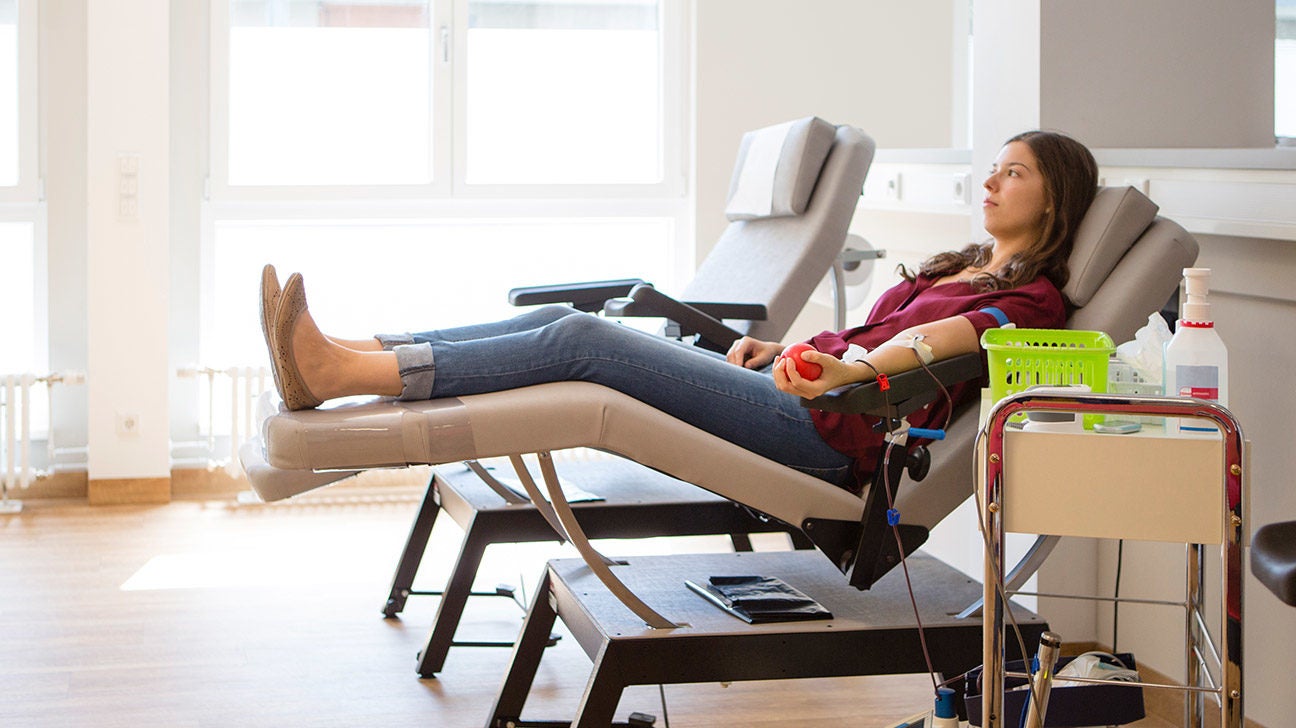
This is a common fear, but completely unfounded. Blood collection is done using new, sterile, single-use needles and equipment.
“We use sterile techniques and brand-new needles for each donor. There is zero risk of infection.” — Dr. Ferro
6. Transfusions Are Risky Because of Infections

It’s extremely rare. Blood is rigorously tested for viruses and bacteria. For example, the odds of getting hepatitis C from a transfusion are estimated at 1 in 100 million.
7. Donating Blood Is Painful

It’s not pain-free, but it’s not bad either. You’ll feel a quick pinch when the needle goes in, but most donors say it’s mild. Some soreness or bruising afterward is possible but usually fades quickly.
8. You Can Only Donate Once a Year

Not true. Whole blood donors can give every 56 days. Your body replaces the lost red blood cells within 4–8 weeks, making regular donation completely safe.
9. Tattoos and Piercings Disqualify You
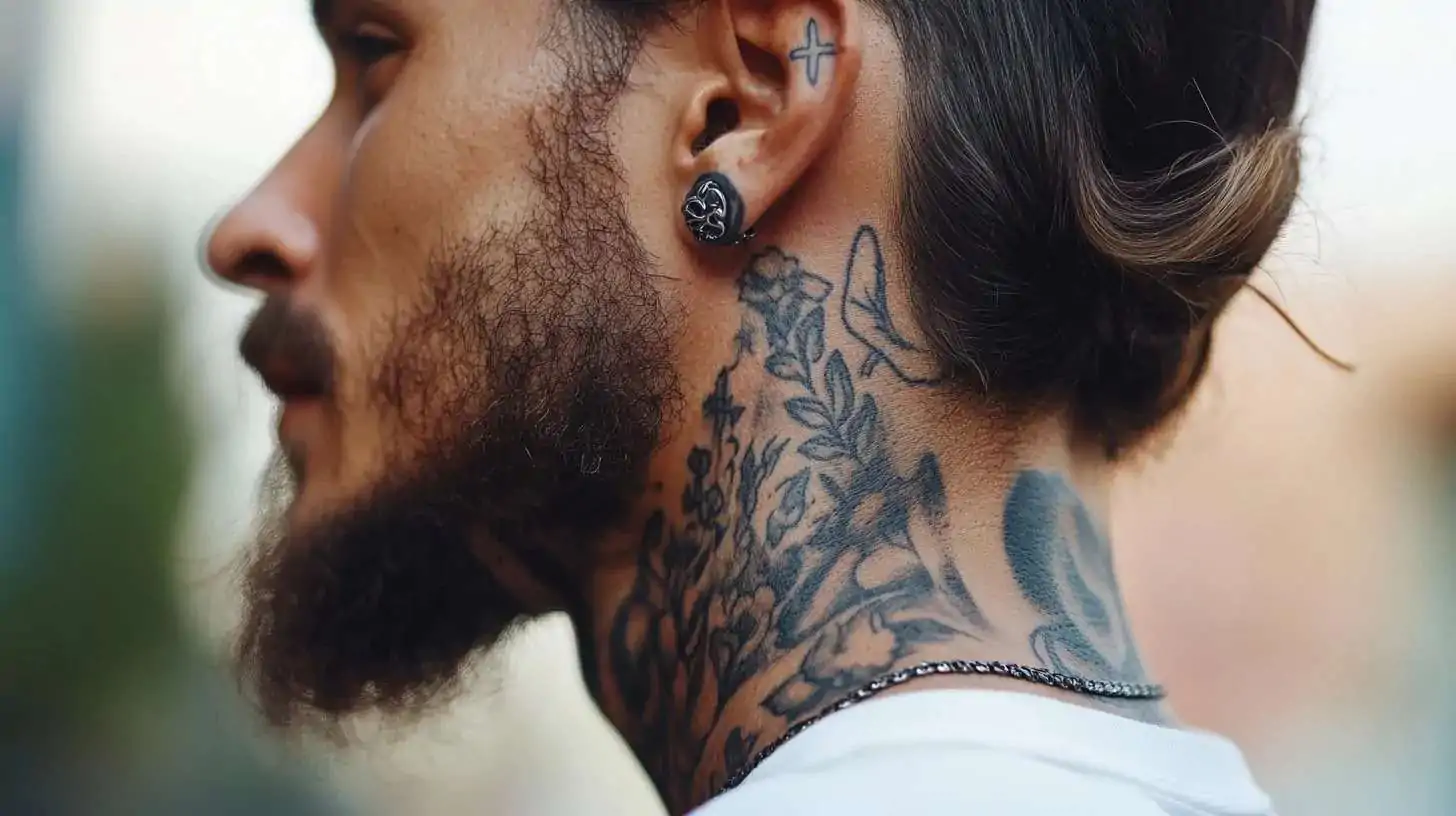
This is a long-standing myth. If your tattoo or piercing was done with single-use, sterile equipment, you can donate. If it was done in a state or facility that doesn’t regulate tattooing, you should wait 3 months before donating.
10. High Blood Pressure Means You Can’t Donate
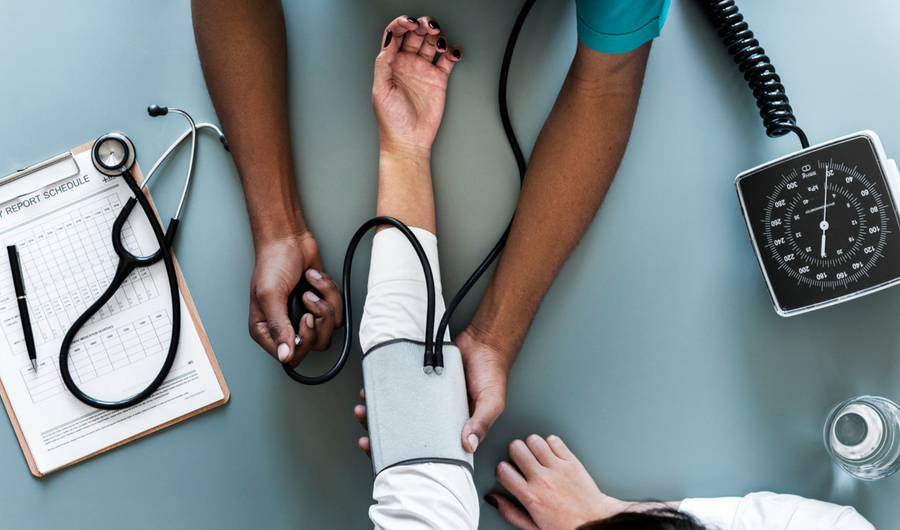
Not necessarily. If your blood pressure is below 180/100 mm Hg and under control (even with medication), you’re usually good to go.
11. High Cholesterol Disqualifies You

Nope. High cholesterol or cholesterol-lowering medications don’t prevent you from donating.
12. Vegetarians and Vegans Can’t Donate

They absolutely can. The only concern might be low iron levels, which can occur in people who don’t consume animal products. But every donor is screened for anemia before giving blood.
“As long as they meet health screening standards, vegetarians and vegans are welcome to donate.” — Dr. Ferro
FAQs
Q: How soon can I donate again?
A: You can donate whole blood every 56 days.
Q: What if I feel dizzy after donating?
A: Sit down, drink fluids, and have a snack. You’ll feel better quickly.
Q: Can I donate if I’m on medication?
A: Most likely, yes. Check with the donation center or your doctor.
Q: Do I need to fast or prepare in any way?
A: Eat a healthy meal, drink water, and get a good night’s sleep beforehand.
Q: Can I donate if I had COVID-19?
A: Yes, as long as you’re fully recovered and meet other eligibility criteria.
Sure! Here’s a natural-sounding, reader-friendly conclusion to wrap up your blood donation myth-busting article:
Conclusion: The Truth About Blood Donation
Blood donation is a simple, safe, and generous act that saves lives — but unfortunately, a lot of myths still prevent people from doing it. The truth is, most healthy people can donate blood, regardless of age, diet, or whether they’re on common medications.
Feeling a little tired or bruised afterward is normal and temporary — but the impact you make can last a lifetime for someone in need.
So if you’ve been putting it off because of something you heard, now’s a great time to rethink that. Got questions? Talk to your doctor or reach out to a certified blood donation center near you. They’ll help you determine whether you’re eligible — and guide you through the process.
Giving blood doesn’t take long, it doesn’t make you sick, and it might just be the most important thing you do today.