

Top 10 Myths About Cancer – Debunked
Cancer is a word that can trigger fear, confusion, and a lot of misinformation. With so many myths floating around, it’s important to separate fact from fiction. Here’s a detailed, easy-to-understand breakdown of the most common myths about cancer—and what the science really says.
1. Myth: Cancer is a Death Sentence

Truth: Cancer doesn’t automatically mean a death sentence. Thanks to advances in early detection and treatment, survival rates are improving steadily.
In fact, as of January 2019, there were about 16.9 million cancer survivors in the U.S. alone. Over in the U.K., survival rates have doubled in the last 40 years.
Your chances of surviving cancer often depend on the type. For example:
- Testicular cancer: 98% survival rate in the U.K.
- Pancreatic cancer: 1% survival rate
According to the National Cancer Institute:
“The likelihood of dying from cancer has dropped steadily since the 1990s.”
The 5-year survival rate for all cancers combined is currently around 67%.
2. Myth: Cancer is Contagious

Truth: Cancer is not contagious. You can’t catch it from someone who has it.
However, certain viruses that can be passed from person to person may increase the risk of cancer. For instance:
- HPV (human papillomavirus): Can lead to cervical cancer
- Hepatitis B and C: Linked to liver cancer
These viruses are contagious—but the cancer itself is not.
Fun fact: Some rare cancers in animals, like Tasmanian devils and dogs, can be contagious. But in humans? No.
3. Myth: Cell Phones Cause Cancer
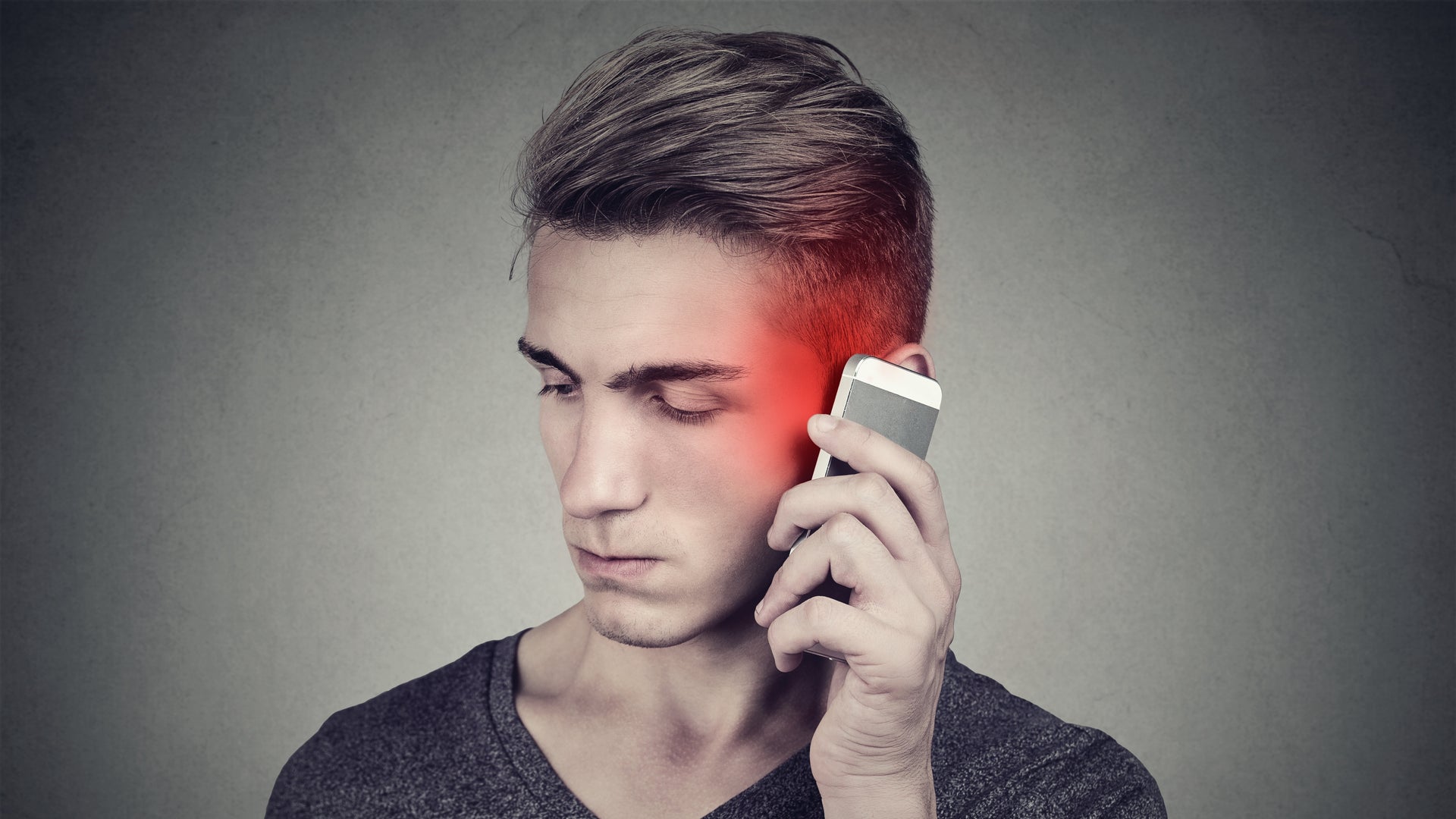
Truth: There’s no solid evidence that using a cell phone increases your cancer risk.
While phones emit radiofrequency radiation, it’s non-ionizing, meaning it doesn’t damage DNA the way ionizing radiation (like X-rays) can.
The National Cancer Institute says:
“There is currently no consistent evidence that non-ionizing radiation increases cancer risk in humans.”
4. Myth: Power Lines Cause Cancer

Truth: Power lines produce extremely low-frequency (ELF) magnetic fields, which are also non-ionizing and therefore unlikely to cause cancer.
Animal studies exposing rats and mice to high levels of ELF radiation showed no significant increase in cancer risk.
Some studies do suggest a slight increase in leukemia risk among children living near power lines, but the exact cause remains unclear.
Dr. Joel Newman sums it up:
“We don’t have real evidence that cell phones or power lines cause cancer. There are much bigger risks out there—like smoking and drinking alcohol.”
5. Myth: Artificial Sweeteners Cause Cancer

Truth: There’s no strong evidence linking FDA-approved artificial sweeteners to cancer.
Early concerns stemmed from a study that found cyclamate and saccharin caused bladder cancer in lab rats. However, follow-up studies in humans haven’t shown the same results.
Even a large study involving half a million people found no link between aspartame and cancers like lymphoma or brain cancer.
6. Myth: Cancer Surgery Spreads Cancer

Truth: While it’s technically possible, it’s extremely rare for surgery to cause cancer to spread.
Thanks to modern surgical techniques and advanced imaging, the risk is now very low. Another related myth is that exposing tumors to air during surgery makes them grow faster—this simply isn’t true.
7. Myth: Herbal Medicines Can Cure Cancer

Truth: No herbal remedy has been proven to cure or treat cancer.
That said, some alternative therapies—like acupuncture, yoga, and meditation—may help ease the emotional and physical side effects of cancer treatment.
However, not all natural products are harmless. For example:
- Kava kava: Linked to liver damage
- St. John’s Wort: Can interfere with cancer medications
Always consult a doctor before starting any supplement.
8. Myth: Cancer Always Runs in Families

Truth: While some cancers have a genetic link, most don’t.
Only about 3–10% of cancers are caused by inherited gene mutations. The majority happen due to lifestyle factors and random mutations that build up over time.
So just because cancer appears in your family doesn’t mean you’re destined to get it.
9. Myth: Cancer Always Comes Back

Truth: Not true. Many people are completely cured of cancer and never experience a recurrence.
Dr. Collin Vu explains:
“Different types of cancer have different cure rates and timelines for recurrence. But our therapies are getting better every year.”
He’s optimistic that with continued progress in science and early detection, this myth will fade even further in the future.
10. Myth: There Is No Cure for Cancer
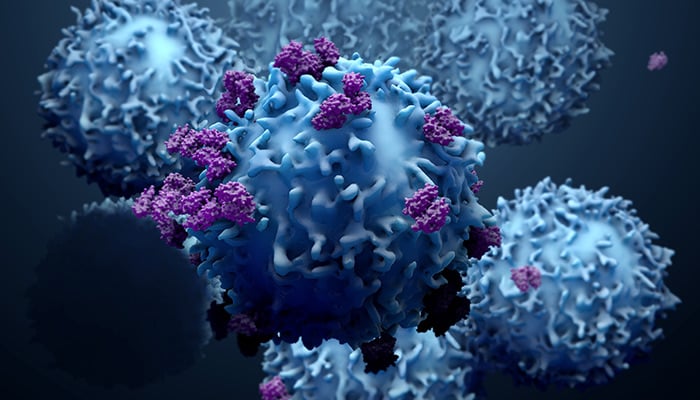
Truth: Some cancers are curable, and the cure rates are improving all the time.
Dr. Vu says:
- Testicular & thyroid cancers: ~60% cure rate
- Breast, prostate, and bladder cancers: ~50% cure rate
And Dr. Anton Bilchik adds:
“Even advanced cancers can respond well to new treatments like immunotherapy and targeted surgery. Up to 40% of stage 4 melanoma patients and 50% of metastatic colon cancer patients can be cured with a combination of therapies.”
FAQs About Cancer Myths
Q: Can lifestyle choices really affect cancer risk?
Yes. Smoking, alcohol, obesity, and lack of exercise all increase your risk.
Q: Should I worry if cancer runs in my family?
It depends. Genetic testing and counseling can help assess your risk more accurately.
Q: Are natural treatments safer than conventional ones?
Not always. Natural doesn’t mean safe. Some herbal remedies can interfere with treatment or cause harm.
Q: How do I know which cancer info to trust?
Stick to credible sources like the National Cancer Institute, American Cancer Society, or peer-reviewed studies.
Final Thoughts
Misinformation about cancer can cause unnecessary fear and prevent people from seeking the right care. It’s important to fact-check what you hear, trust credible sources, and have open conversations with your healthcare providers.
Cancer is a complex disease, but it’s no longer the automatic death sentence it once was. With modern medicine, healthy lifestyle choices, and continued research, many people go on to live long, healthy lives after a cancer diagnosis.