

Understanding diabetes is crucial, especially given how many myths still surround it. Here’s a deep dive into some of the most common misconceptions and what science actually says.
1. Eating Sugar Causes Diabetes

Let’s clear this up right away: eating sugar alone doesn’t cause diabetes. However, consistently eating a high-sugar diet can contribute to overweight and obesity — and these are key risk factors for type 2 diabetes.
This myth likely stems from the fact that diabetes involves blood sugar, but sugar itself isn’t a direct cause. That said, one 2013 study found a link between sugary soda consumption and increased diabetes risk, even after accounting for body weight and calorie intake. Interestingly, this link wasn’t found with diet sodas or fruit juice.
As for type 1 diabetes, the cause remains unclear, but diet has no known influence.
2. Diabetes Isn’t a Serious Disease

Because it’s so common, people may underestimate how serious diabetes can be. The truth? If left unmanaged, it can lead to complications like:
- Heart disease
- Nerve and kidney damage
- Blindness
- Amputations
- Hearing loss
According to the CDC, over 84,000 deaths in the U.S. in 2018 were attributed to diabetes. Globally, the World Health Organization estimates 1.6 million deaths in 2016.
3. Only People With Obesity Get Diabetes

Obesity is a risk factor for type 2 and gestational diabetes, but it’s far from the only one. Genetics, age, and other health factors matter, too. The CDC’s 2020 report showed that 11% of people with type 2 diabetes in the U.S. are not overweight or obese.
Also, type 1 diabetes has no relation to body weight at all.
4. Obesity Automatically Leads to Diabetes

Obesity increases the risk, but it’s not a guarantee. Nearly 40% of U.S. adults live with obesity, but only about 13% have diabetes. Lifestyle, genetics, and other factors all influence your likelihood.
5. People With Diabetes Can’t Eat Sugar

This one’s been around forever, but it’s simply not true. People with diabetes can eat sugar — it just needs to be planned and portioned correctly.
According to the American Diabetes Association:
“The key to sweets is to have a very small portion and save them for special occasions, so you focus your meals on healthier foods.”
Also, “diabetes-friendly” foods often come with higher prices and can still affect blood sugar.
6. Diabetes Always Leads to Blindness or Amputation
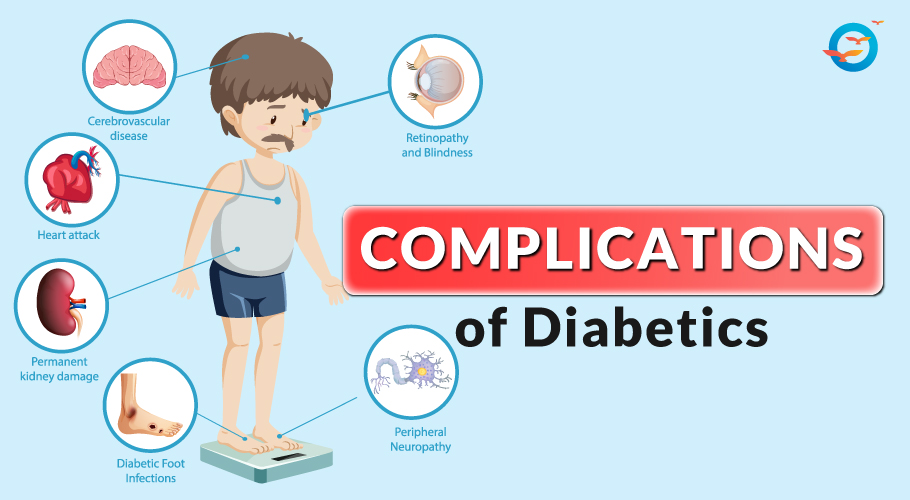
These complications can happen, but they’re not inevitable — especially if the condition is well managed.
The CDC estimates:
- 11.7% of adults with diabetes experience some vision impairment.
- About 0.56% undergo lower-limb amputations.
Complications are more likely with uncontrolled blood sugar, smoking, high blood pressure, and high cholesterol.
7. People With Diabetes Shouldn’t Drive

Not true at all. Most people with diabetes drive safely without issue. But if someone has frequent low blood sugar episodes or vision problems, driving may become risky. In such cases, healthcare providers should assess on an individual basis.
The Department of Transportation says:
“People with diabetes are able to drive unless they are limited by certain complications of diabetes.”
8. Prediabetes Always Turns Into Diabetes

Nope. Prediabetes is a warning sign, but it’s not destiny. About 88 million U.S. adults have prediabetes — but with healthy changes in diet and exercise, progression to type 2 diabetes can be stopped or even reversed.
9. People With Diabetes Can’t Be Active

Actually, exercise is one of the best ways to manage diabetes! It helps with:
- Weight loss
- Lower blood pressure
- Better insulin sensitivity
However, it’s true that blood sugar can rise or fall with exercise, so some monitoring is important. Diabetes UK recommends checking blood sugar levels before and after workouts and always keeping fast-acting carbs nearby.
10. You Can Catch Diabetes
Nope — diabetes is not contagious. You can’t catch it from someone like a cold or flu. It’s a noncommunicable disease, meaning it’s related to genetics, lifestyle, and immune function — not germs.
FAQs
Q: Can I ever eat sweets again if I’m diabetic?
A: Yes — just watch your portions and balance them with other foods.
Q: How do I know if I’m prediabetic?
A: A simple blood test can tell you. Talk to your doctor about regular screenings.
Q: Do I need special “diabetic” foods?
A: No. Healthy, whole foods work best. Most specialty products aren’t necessary.
Q: Can I still drink soda?
A: It’s best to avoid sugary drinks — they spike blood sugar and add empty calories.
Final Thoughts
Diabetes is a complex condition that’s often misunderstood. Yes, managing it takes effort, but it’s absolutely possible to live well with diabetes. The key is staying informed, making healthy choices, and working closely with your healthcare provider.