

COVID-19 Vaccine Myths: What’s Fact, What’s Fiction?
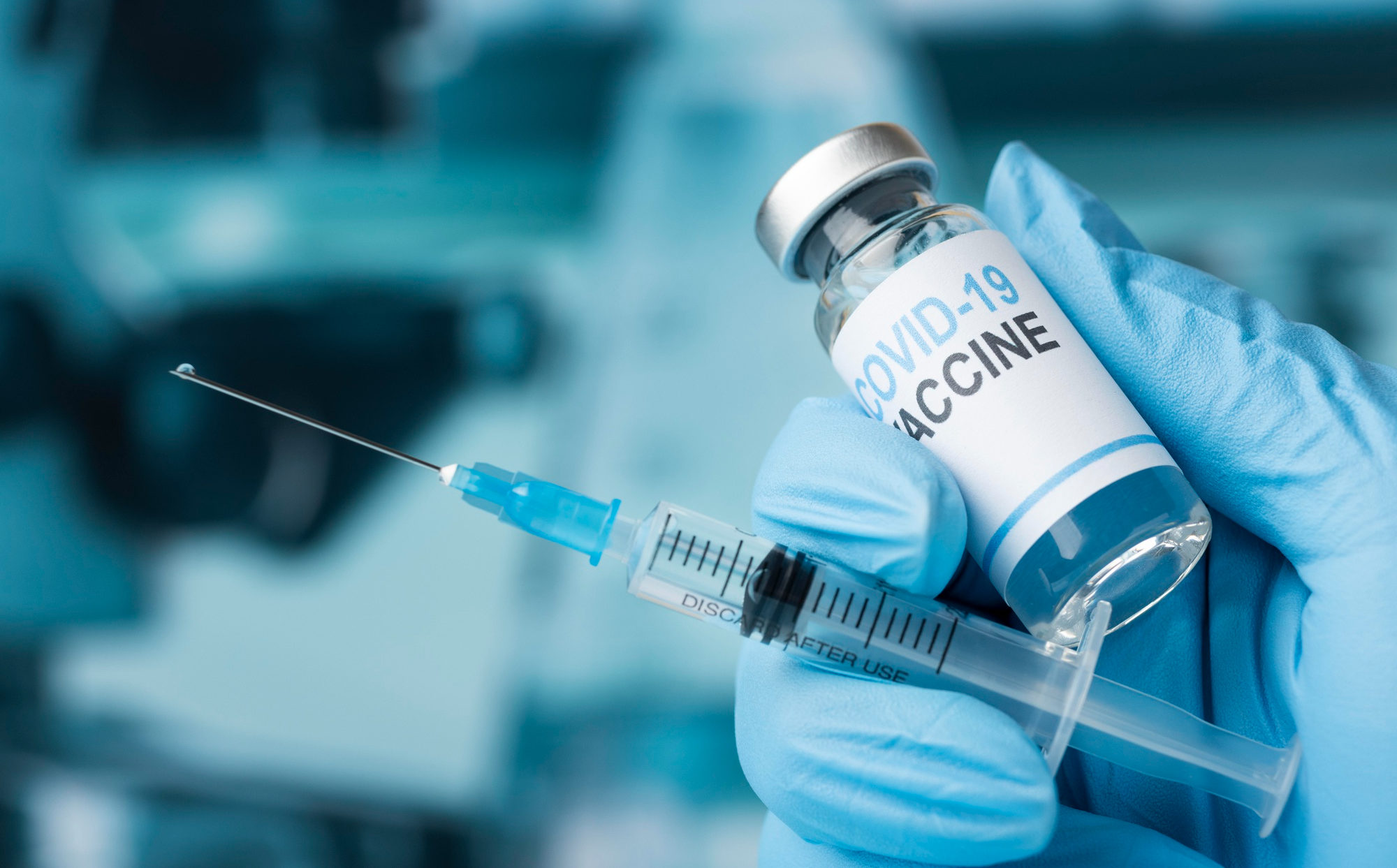
There’s been a whirlwind of information surrounding COVID-19 vaccines. Some of it is true, but a lot of it? Not so much. Here’s a clear, down-to-earth guide to busting the most common myths about the COVID-19 vaccines—with all the facts intact and no fluff.
1. “The vaccines aren’t safe because they were developed too quickly”

Yes, the COVID-19 vaccines were created in record time—less than a year. For comparison, the fastest vaccine before this (for mumps) took four years. But the speed doesn’t mean they skipped safety steps.
Here’s why they were developed so quickly without cutting corners:
- Scientists weren’t starting from scratch. They’ve studied coronaviruses for decades.
- Global collaboration meant sharing research and data like never before.
- Funding poured in from governments and organizations worldwide, removing financial roadblocks.
- Recruiting trial participants was easy because so many wanted to help.
- Clinical trials that usually happen one after another were allowed to run at the same time.
In short, technology, experience, urgency, and resources made it possible—safely.
2. “The vaccine will change my DNA”
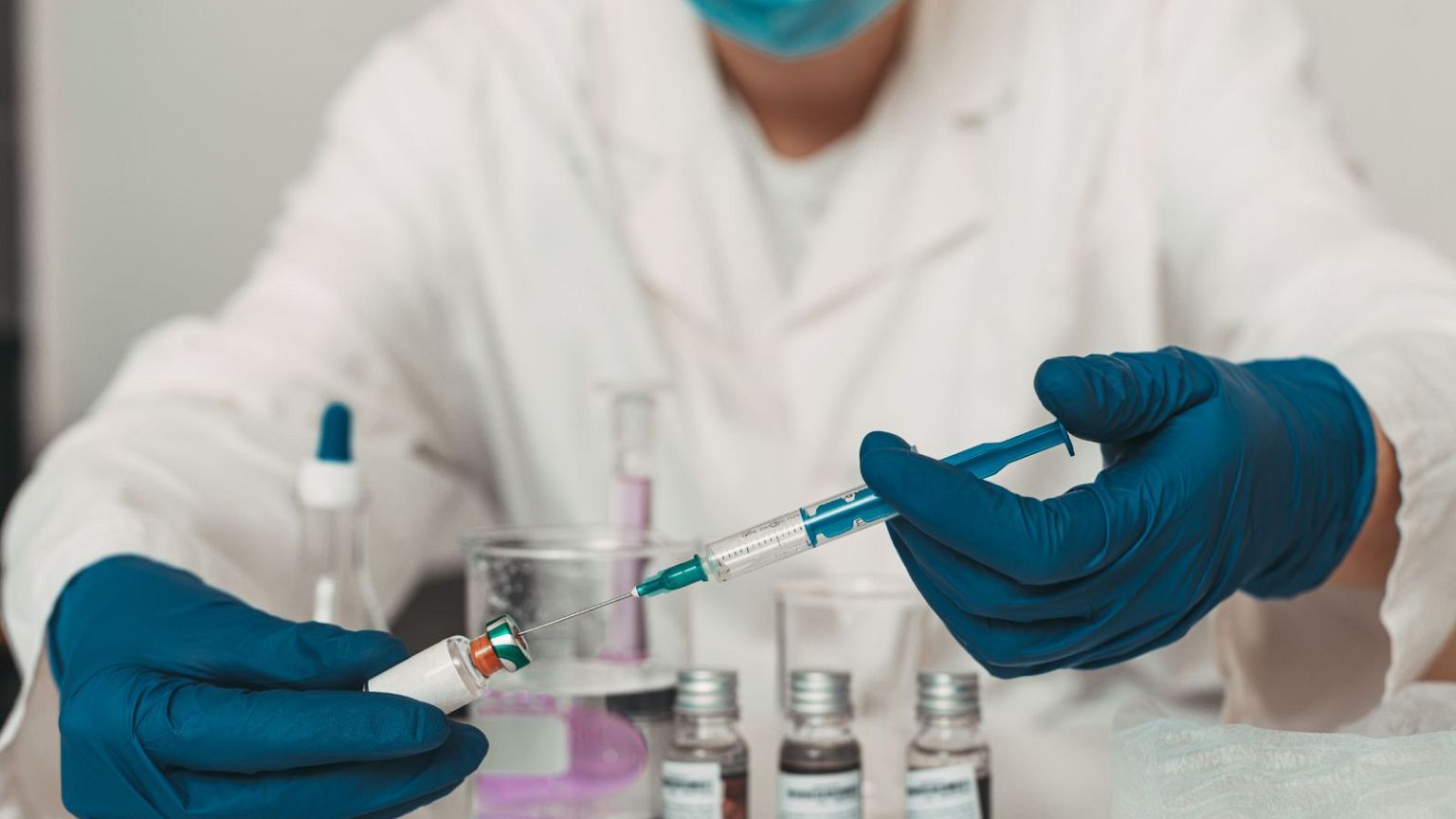
Not true. Some COVID-19 vaccines (like Pfizer and Moderna) use mRNA technology. These vaccines give your cells a set of instructions to make a protein found on the virus’s surface. That triggers your immune system to respond.
But that mRNA never enters the cell’s nucleus, where your DNA lives. After doing its job, your body breaks it down.
Bottom line? mRNA can’t and doesn’t alter your DNA.
3. “COVID-19 vaccines can give you COVID”
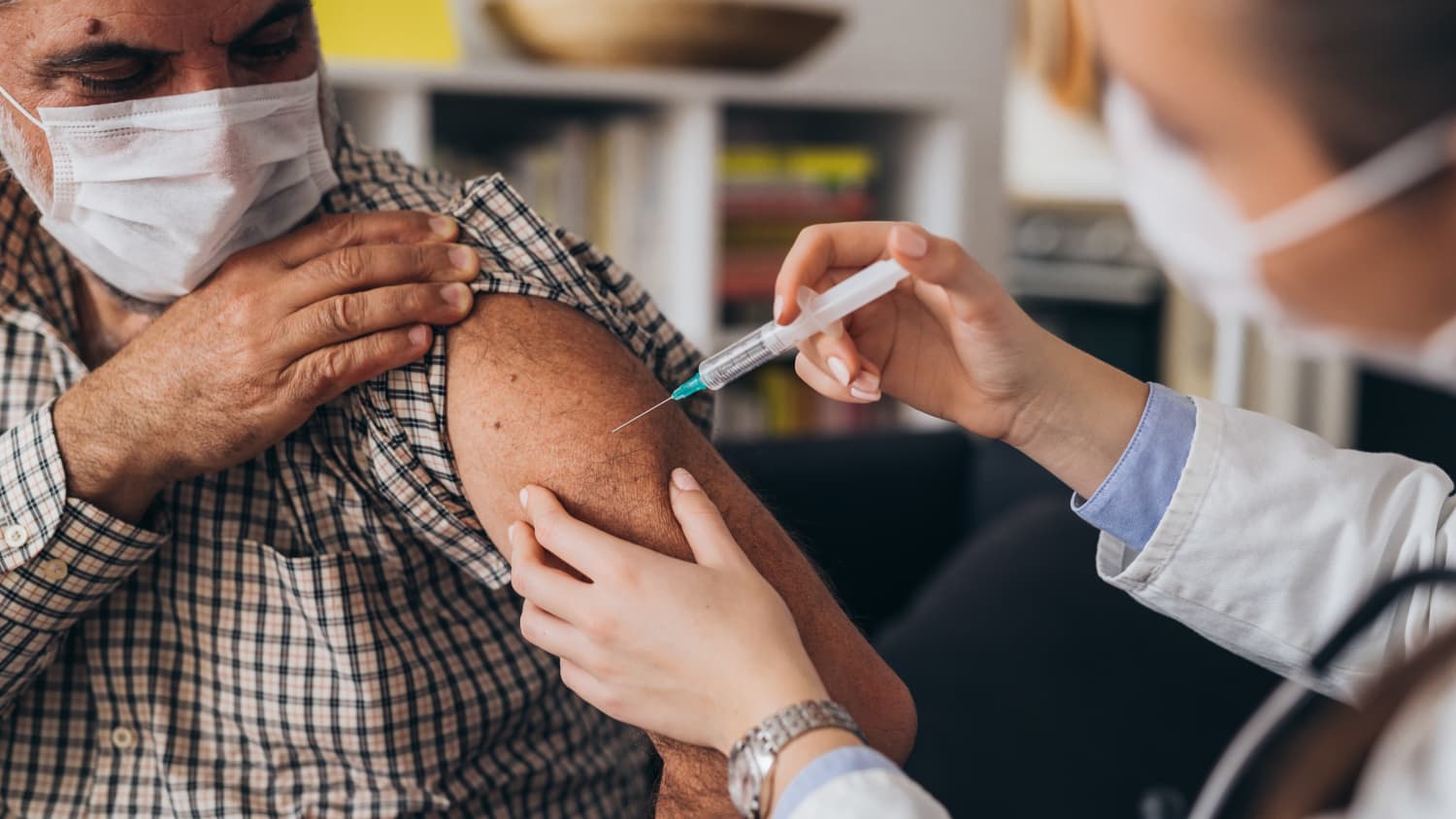
Nope. None of the vaccines contain the live virus. So it’s impossible to get COVID-19 from the vaccine.
Mild side effects like chills or fever are signs your immune system is doing its job—not a sign of infection.
4. “The vaccine has a microchip”

This one’s a wild conspiracy. A survey found 28% of Americans believed that COVID-19 vaccines contain tracking microchips. But there is no microchip in the vaccine.
Even the smallest RFID chips are too big to fit through the fine needle used for vaccination. And let’s be honest—our phones already track us more efficiently than any chip ever could.
5. “Vaccines make you infertile”
This rumor began when someone claimed the spike protein in the vaccine was similar to syncytin-1, a protein important in placenta formation.
The truth? They aren’t even close enough for your immune system to mix them up. Experts, including fertility specialists and researchers, say there’s no evidence that the vaccines affect fertility or pregnancy.
6. “Vaccines contain fetal tissue”

Another false claim. No fetal tissue is used in any COVID-19 vaccine.
As Dr. Michael Head from the University of Southampton says, “There are no fetal cells used in any vaccine production process.”
7. “If I’ve already had COVID-19, I don’t need the vaccine”

Even if you’ve recovered from COVID-19, you should still get vaccinated. Reinfection is possible, and immunity from an infection may not last long.
Plus, some people who tested positive may have had a false positive. So it’s safer to get the vaccine regardless.
8. “Once I’m vaccinated, I can’t spread the virus”
.jpg?mw=1024&rev=57855190b658458f901a11684aea4a75&hash=34B51713367AE942D754D6F0BC8A8885)
This isn’t guaranteed. Vaccines are highly effective at preventing serious illness, but you might still get infected and carry the virus. That means you could still pass it to others.
So yes—keep masking, handwashing, and social distancing even after your shots.
9. “After vaccination, life goes back to normal”

We all wish that were true, but not quite yet. Since it’s still unclear how well vaccines prevent transmission, the same safety guidelines apply after vaccination until public health officials say otherwise.
10. “The vaccine gives you lifelong protection”
We don’t know yet. The virus is still relatively new, and studies are ongoing. The WHO says it’s too early to tell how long protection lasts.
It might be like the flu shot, where we need a booster every year. But more research is needed.
11. “People with preexisting conditions shouldn’t get the vaccine”

Actually, most people with preexisting conditions should get vaccinated.
Conditions like heart disease, diabetes, and obesity raise your risk for severe COVID-19. That makes vaccination even more important.
Exceptions? People who have had severe allergic reactions to vaccine ingredients should talk to their doctor.
12. “People with weak immune systems can’t get the vaccine”

You can get vaccinated even if you’re immunocompromised, because the vaccines don’t use live virus.
However, your immune system may not respond as strongly. The CDC recommends vaccination for immunocompromised individuals, but with counseling about the limited data on this group.
13. “Older adults shouldn’t get the vaccine”
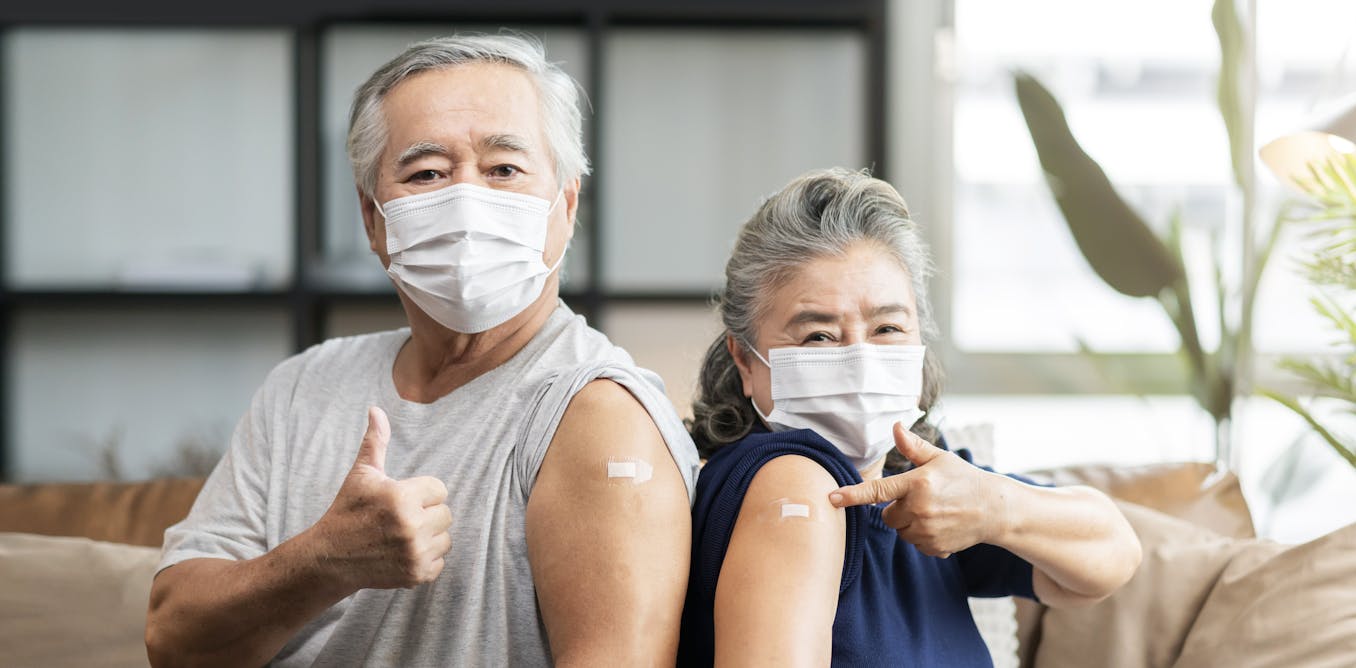
Completely false. In fact, older adults are prioritized because they’re at higher risk for severe illness.
Yes, there were a few deaths among frail elderly people in Norway after getting vaccinated, but these were rare and involved people with serious underlying conditions. Most older adults tolerate the vaccine well and benefit greatly from it.
🔎 FAQs About the COVID-19 Vaccine
Q: Can the vaccine affect my fertility or pregnancy?
A: No. There’s no evidence it impacts fertility or harms future pregnancies.
Q: Will I still need to wear a mask after getting vaccinated?
A: Yes, for now. You might still carry the virus even if you’re protected from illness.
Q: How long will the vaccine protect me?
A: We don’t know yet. It might require booster shots in the future.
Q: Is it safe if I have allergies?
A: Most people with allergies can get vaccinated. Talk to your doctor if you’ve had a severe reaction to other vaccines.
Q: Can kids get the vaccine?
A: It depends on the vaccine and your local guidelines. Always check with your healthcare provider.
🚀 Final Thoughts
COVID-19 vaccine misinformation can be harmful. It’s important to fact-check and get your info from reliable sources. The vaccines were developed quickly but safely, don’t change your DNA, and don’t contain microchips or fetal tissue.
Getting vaccinated is one of the best ways to protect yourself and others, especially as new variants continue to emerge.
Stay informed. Stay safe. And when in doubt, ask a healthcare professional.