
Common Myths About Cholesterol – Busted!
Cholesterol is a term we all hear about, but there are a lot of misconceptions surrounding it. Let’s take a look at some of the most common myths about cholesterol and set the record straight with expert insights.
1. All Cholesterol is Bad
Myth: All cholesterol is bad for you.
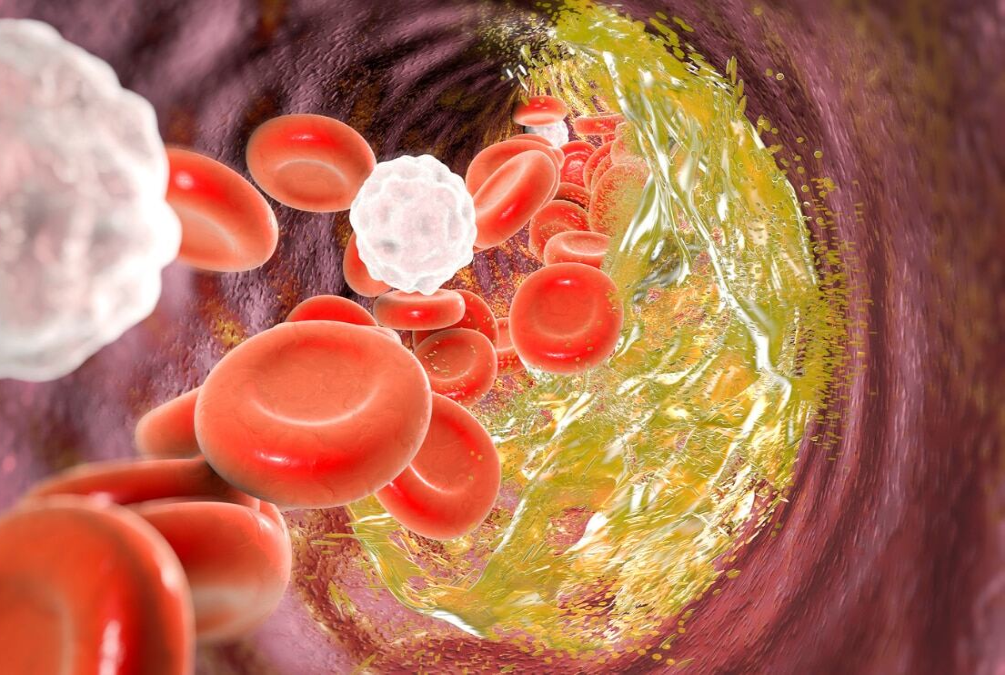
Fact: Cholesterol is essential for our health. It’s a vital component of cell membranes, and it’s necessary for producing steroid hormones, vitamin D, and bile acids. While high levels of cholesterol can increase the risk of disease, it’s important to remember that cholesterol itself is not inherently bad. As Dr. Greenfield puts it, “Cholesterol is an innocent bystander in our modern lifestyle. It’s only when cholesterol is in excess and gets deposited in the blood vessels that it becomes problematic.”
Cholesterol is carried through the body by lipoproteins—LDL (low-density lipoprotein) and HDL (high-density lipoprotein). LDL is often called “bad” cholesterol because it can build up in your arteries, increasing the risk of heart disease. On the other hand, HDL is the “good” cholesterol that helps remove excess cholesterol from the bloodstream.
2. If I’m a Healthy Weight, I Can’t Have High Cholesterol
Myth: If I’m healthy and at a good weight, I can’t have high cholesterol.
Fact: Cholesterol levels aren’t just about weight. They’re influenced by a combination of diet, exercise, genetics, and even factors like thyroid function and sleep. Dr. Greenfield explains that some people are genetically predisposed to not process cholesterol efficiently, which can lead to high cholesterol even if they maintain a healthy weight. Factors like what you eat, how much you exercise, whether you smoke, and how much alcohol you drink all play a role.
3. I Would Have Symptoms If I Had High Cholesterol

Myth: You’ll have symptoms if your cholesterol is high.
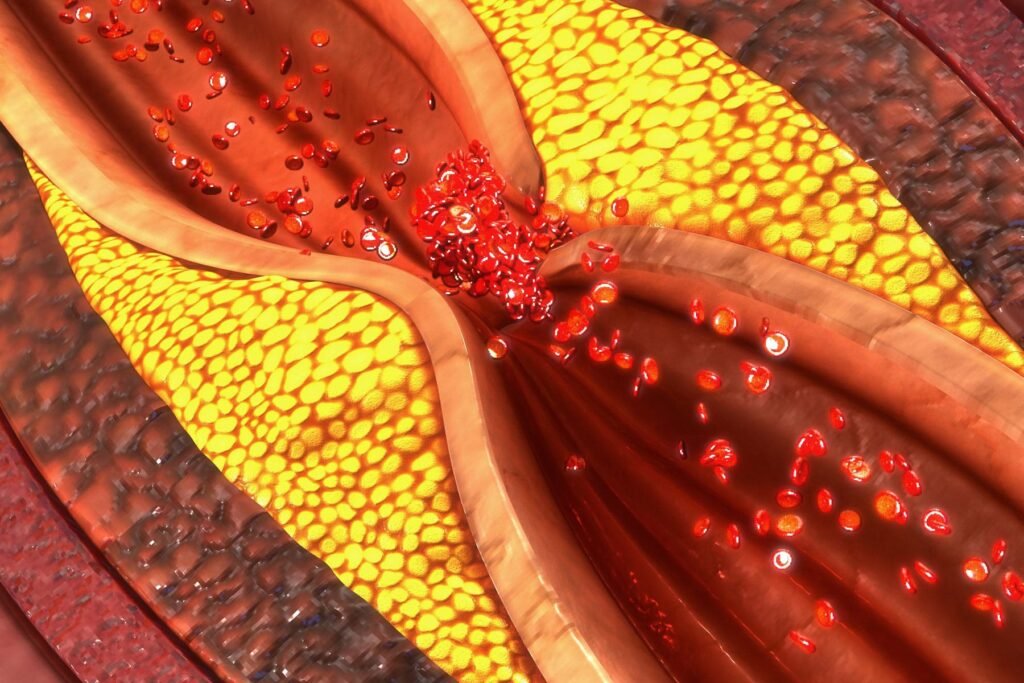
Fact: High cholesterol typically doesn’t cause any symptoms. It quietly builds up in your arteries over time, which is why it’s so important to get regular blood tests to check your cholesterol levels. The only time cholesterol symptoms appear are when the buildup leads to heart or vascular issues, such as chest pain, heart attacks, or strokes.
4. If I Eat Lots of Cholesterol, My Cholesterol Levels Will Rise

Myth: Eating foods high in cholesterol will directly increase your cholesterol levels.
Fact: The relationship between the cholesterol you eat and the cholesterol in your blood is more complicated than we think. Dr. Lajoie explains that foods high in sugars and simple carbohydrates can raise cholesterol levels, even if you’re not eating much cholesterol. People who exercise regularly are less likely to see a rise in cholesterol from consuming cholesterol-rich foods compared to those who are sedentary. However, red meat, cheeses, and eggs—foods high in both cholesterol and saturated fat—can raise your “bad” LDL cholesterol.
5. Everyone Should Aim for the Same Cholesterol Targets
Myth: Everyone should aim for the same cholesterol numbers.
Fact: Cholesterol targets aren’t one-size-fits-all. Dr. Paz points out that your target cholesterol levels depend on your personal health history, such as whether you’ve had heart disease or strokes, and your overall risk factors like age and high blood pressure. Dr. Greenfield clarifies that for most people, LDL cholesterol should be under 100 mg/dL, but for those with cardiovascular diseases or diabetes, the target should be under 70 mg/dL.
6. Only Men Need to Worry About Cholesterol
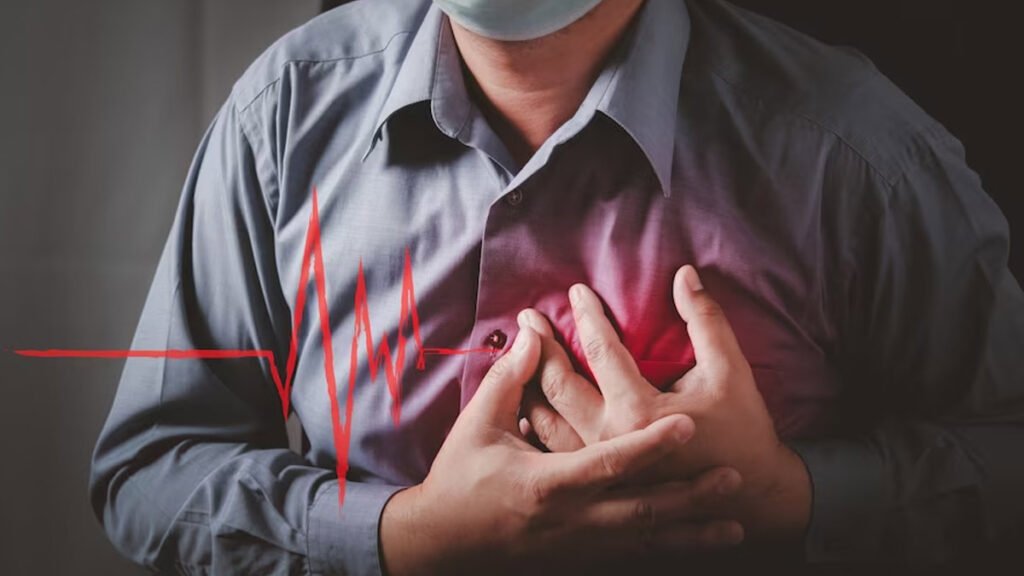
Myth: Cholesterol is only a concern for men.
Fact: This is a myth that’s still hanging around. Both men and women need to be mindful of their cholesterol levels. Dr. Paz and Dr. Greenfield agree that heart disease affects both genders, especially after women lose the protective effects of estrogen after menopause. In fact, more women die from heart disease each year than from breast cancer. Cholesterol management is crucial for everyone, regardless of gender.
7. There’s Nothing I Can Do About My Cholesterol Level
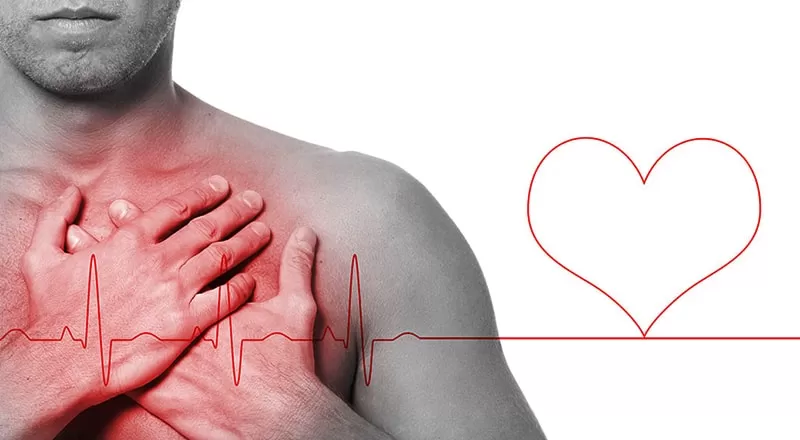
Myth: If you have high cholesterol, there’s nothing you can do about it.
Fact: That’s not true! There’s a lot you can do to manage your cholesterol. Dr. Paz explains that you can improve your cholesterol by maintaining a healthy weight, exercising, eating the right foods, avoiding smoking, and limiting alcohol. Dr. Greenfield emphasizes that diet and exercise are the first steps in managing cholesterol. Medications like statins can help, and new treatments, like PCSK-9 inhibitors, are also available for those who need them.
8. I Take Statins, So I Can Eat What I Want
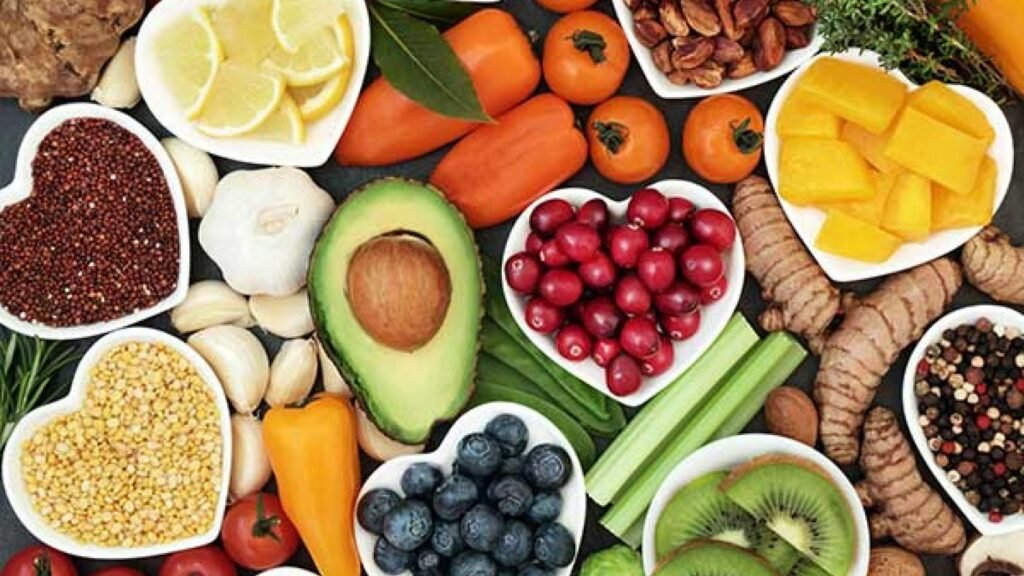
Myth: If I take statins, I can eat whatever I want.
Fact: Statins help lower LDL cholesterol, but they’re not a free pass to eat unhealthy foods. Dr. Greenfield reminds us that eating an excess of calories and gaining weight, especially around your midsection, can lead to metabolic syndrome, which can affect your health in other ways. Statins are part of a larger health plan that includes a balanced diet and regular exercise.
9. I’m Under 40, So I Don’t Need to Have My Cholesterol Checked

Myth: If I’m under 40, I don’t need to worry about cholesterol.
Fact: Dr. Paz suggests screening for cholesterol as early as age 20, especially if you have a family history of high cholesterol or heart disease. The longer high cholesterol goes unchecked, the higher the risk of developing cardiovascular diseases later in life. Dr. Greenfield also recommends checking cholesterol levels during teenage years, especially for those with a strong family history of heart disease.
Frequently Asked Questions (FAQ)
Q1: Can my diet directly raise my cholesterol?
Yes, your diet can influence your cholesterol levels, especially if it includes high amounts of saturated fats and simple carbohydrates.
Q2: Do I need to worry about cholesterol if I’m healthy and active?
Yes, even if you’re healthy and active, it’s important to get regular cholesterol screenings, especially if you have a family history of high cholesterol or heart disease.
Q3: Are statins enough to manage high cholesterol?
Statins are effective at lowering LDL cholesterol, but they should be combined with a healthy diet and regular exercise for optimal results.
Q4: Should I get my cholesterol checked if I’m under 40?
It’s a good idea to start checking your cholesterol by age 20, especially if you have a family history of high cholesterol or heart disease.
Conclusion
Cholesterol can be tricky, and there are plenty of myths that can cloud our understanding of it. The best way to manage your cholesterol and reduce the risk of heart disease is through regular screening, a balanced diet, and staying active. Don’t be misled by myths—take care of your heart and stay informed!