
Common Myths About COPD – Busted
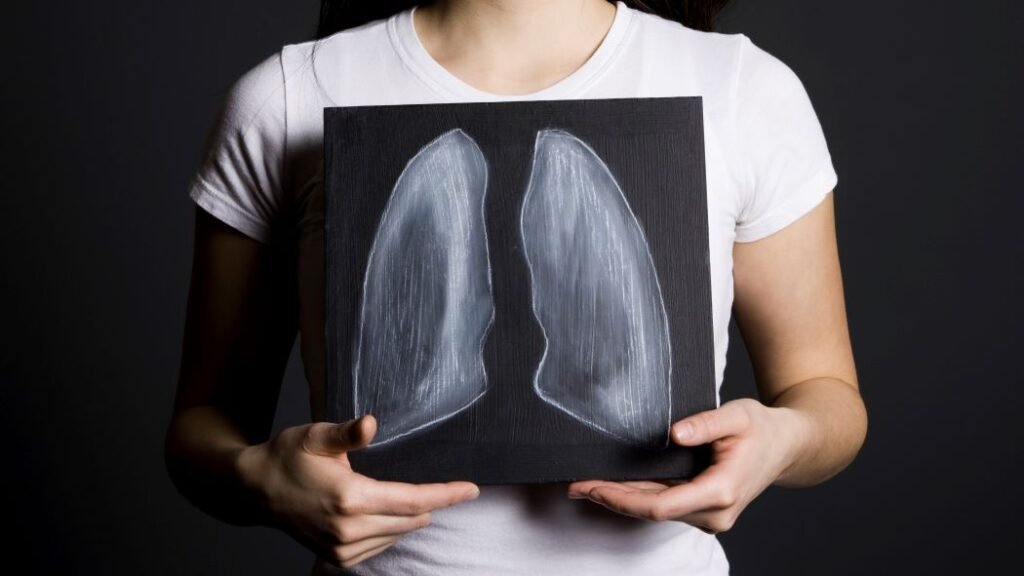
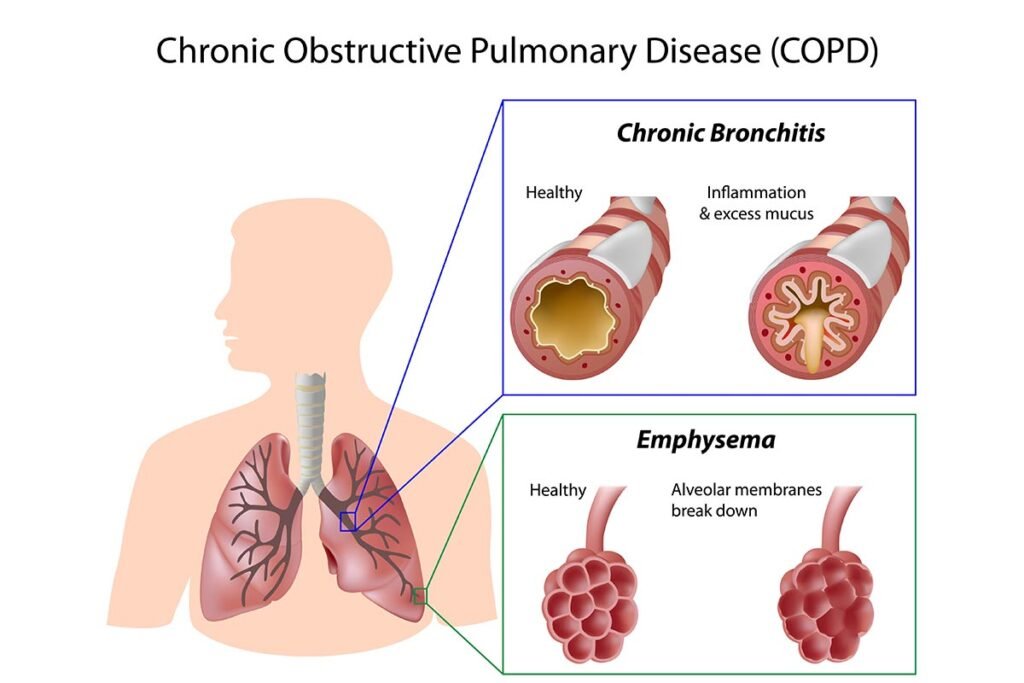
Chronic Obstructive Pulmonary Disease (COPD) is a group of progressive lung diseases that cause difficulty breathing. The two most common forms are chronic bronchitis and emphysema. The main symptoms include shortness of breath and a persistent cough. Over time, even simple activities like getting dressed can become a challenge.
In this article, we’re tackling some of the most common myths about COPD. We spoke with two experts to help clear up the confusion: Dr. Neil Schachter, a pulmonary medicine professor at Mount Sinai in New York, and Dr. Shahryar Yadegar, a critical care specialist at Providence Cedars-Sinai in California.
1. COPD is Rare
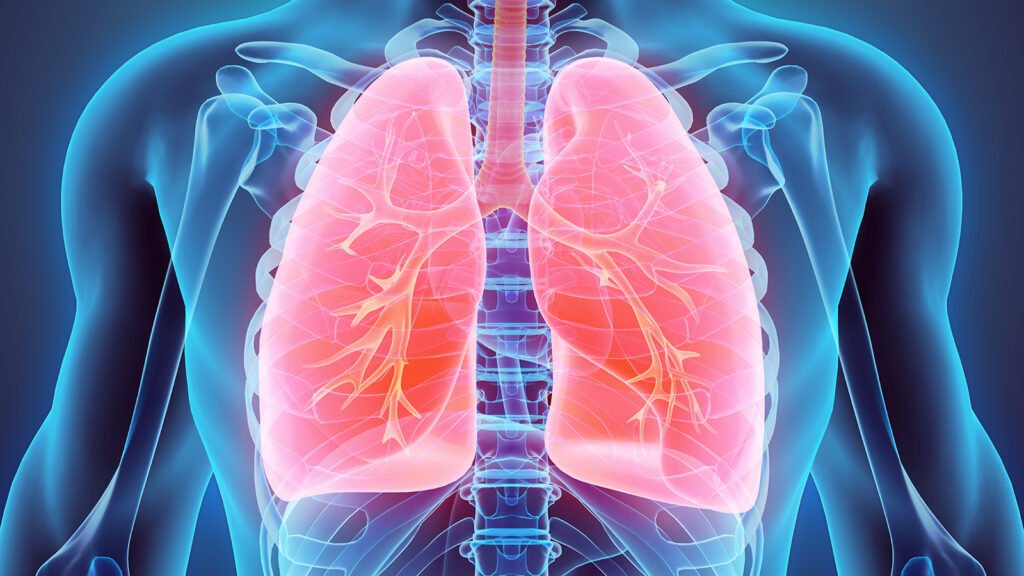
Myth: COPD is a rare disease.
Fact: COPD is far from rare. In fact, the World Health Organization reported that COPD caused over 3 million deaths worldwide in 2019, making it the third leading cause of death globally. In the U.S., over 16 million people are diagnosed, and many more are likely undiagnosed. If you experience symptoms like chronic cough, shortness of breath, frequent respiratory infections, or excessive mucus production, it’s important to talk to a doctor about getting tested with a breathing test called spirometry.
2. Only Smokers Develop COPD

Myth: Only smokers get COPD.
Fact: While smoking is the leading cause of COPD, it’s not the only factor. Dr. Schachter points out that other risks include air pollution, work-related pollution, infections, and some types of asthma. Dr. Yadegar adds that about 10-20% of people with COPD have never smoked. Some of these individuals may have been exposed to secondhand smoke, have a genetic condition called alpha-1 antitrypsin deficiency, or have had significant exposure to air pollution.
3. Only Older Adults Get COPD

Myth: COPD only affects older adults.
Fact: While COPD is more common in older adults, it can affect younger people too. Studies show that around 2-4% of people aged 18-44 in the U.S. have COPD. Dr. Schachter notes that many individuals diagnosed before 50 have a hereditary form of COPD caused by a deficiency in alpha-1 antitrypsin, a protein that helps protect the lungs.
4. COPD Only Affects the Lungs
Myth: COPD only affects the lungs.
Fact: COPD can also be linked to other health problems. Dr. Schachter explains that it often coexists with conditions like heart disease, lung cancer, high blood pressure, osteoporosis, and diabetes. Many of these conditions share common risk factors, like smoking, and can worsen due to the systemic inflammation caused by COPD.
5. People with COPD Cannot Exercise

Myth: People with COPD shouldn’t exercise.
Fact: While exercising can be challenging for people with COPD, it’s actually recommended. Dr. Yadegar emphasizes that with proper guidance, exercise can help improve breathing capacity and reduce daily symptoms. Pulmonary rehabilitation programs that combine exercise with breathing techniques can significantly benefit patients. Dr. Schachter adds that exercise reduces the number of COPD flare-ups and improves overall quality of life. Always check with your doctor before starting or changing your exercise routine.
6. There Are No Treatments for COPD
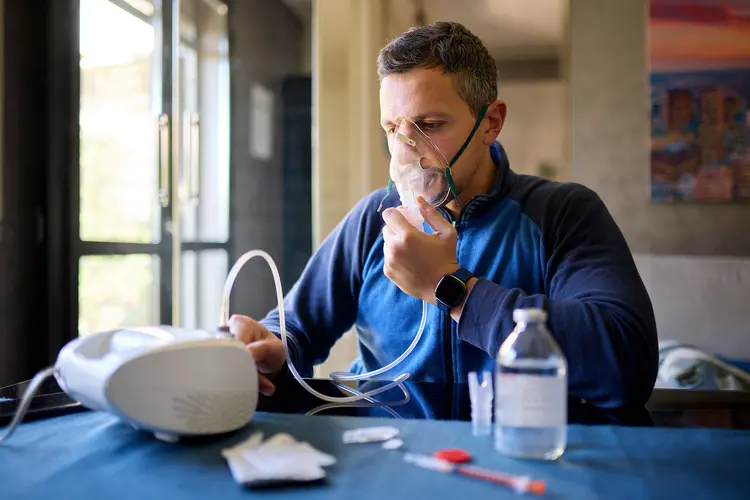
Myth: There’s no treatment for COPD.
Fact: COPD is treatable! Dr. Schachter notes that many therapies can help manage the disease, including medications, rehabilitation, a healthy diet, and vaccines to prevent infections that could worsen COPD. Dr. Yadegar adds that medications like inhalers, corticosteroids, and oxygen therapy can be tailored to each patient’s needs, and in severe cases, treatments like lung transplants or alpha-1 antitrypsin augmentation may be considered.
7. COPD is the Same as Asthma
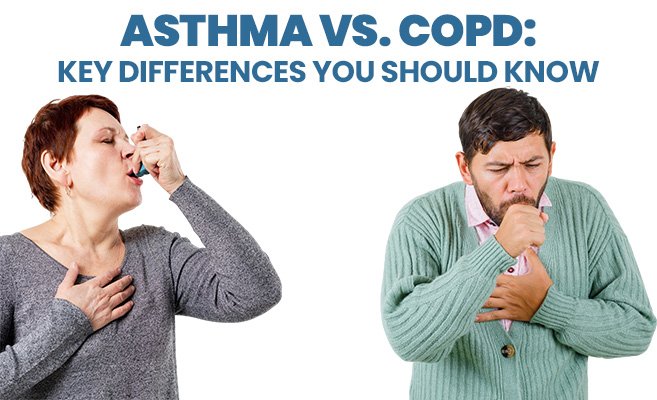
Myth: COPD and asthma are the same.
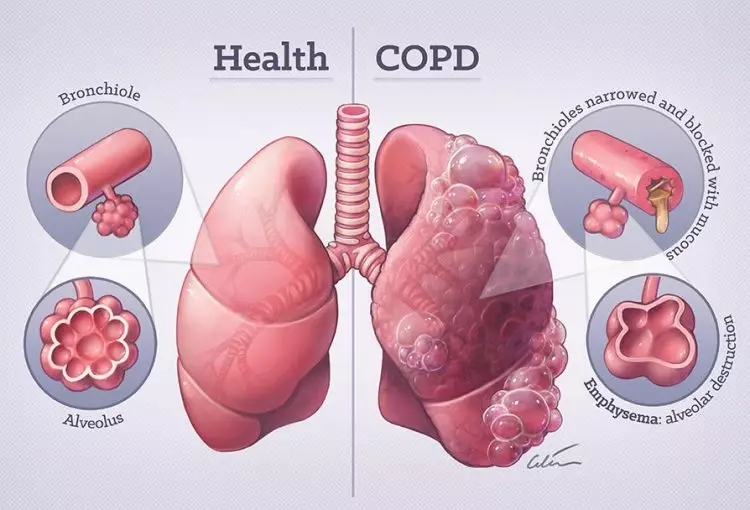
Fact: While both are obstructive lung diseases, COPD and asthma are quite different. Asthma is often diagnosed in childhood and is linked to allergies and inflammation in the airways. COPD, on the other hand, typically develops later in life and is mostly caused by smoking. Dr. Yadegar explains that COPD primarily affects the alveoli (the tiny air sacs in the lungs), while asthma affects the airways. Though the symptoms can overlap, the treatments for the two are different.
8. Body Weight Doesn’t Affect COPD
Myth: Body weight doesn’t impact COPD.
Fact: Your weight can play a role in COPD. Dr. Schachter explains that carrying excess weight can make COPD symptoms worse, while being underweight can be a sign of more severe emphysema, which has a poorer prognosis.
9. If You Have COPD, There’s No Point in Quitting Smoking

Myth: If you already have COPD, quitting smoking won’t help.
Fact: It’s never too late to quit smoking. Dr. Schachter emphasizes that smoking accelerates lung damage in people with COPD, so quitting can help slow the progression of the disease and reduce symptoms. Even if you have COPD, quitting smoking is one of the most important steps you can take to improve your health.
10. Shortness of Breath is the Only Symptom of COPD

Myth: Shortness of breath is the only symptom of COPD.
Fact: While shortness of breath is a primary symptom, it’s not the only one. Dr. Schachter explains that a persistent cough, excessive mucus production, respiratory infections, and symptoms of other related conditions are also common. People with COPD may also experience sleep problems, anxiety, depression, pain, and even cognitive decline as the disease progresses.
11. A Healthy Diet Won’t Help with COPD

Myth: Diet doesn’t affect COPD.
Fact: A healthy diet can play a big role in managing COPD. Dr. Schachter says that eating well can help keep your body strong, reduce exacerbations, and prevent other health issues that could complicate COPD. Studies have shown that diets rich in fruits, fiber, and fish can reduce the risk of COPD, while unhealthy diets can worsen the condition.
Frequently Asked Questions (FAQ)
Q1: Can COPD be prevented?
Yes, many COPD risk factors, like smoking, air pollution, and exposure to certain chemicals, can be managed or avoided. Regular exercise and a healthy diet can also reduce your risk.
Q2: Can COPD be cured?
There’s no cure for COPD, but treatments like medications, pulmonary rehabilitation, and lifestyle changes can help manage symptoms and slow the disease’s progression.
Q3: Is it too late to quit smoking if I already have COPD?
No, it’s never too late. Quitting smoking can slow the disease progression, reduce symptoms, and improve your overall quality of life.
Q4: Are asthma and COPD treated the same way?
No, while both conditions affect the lungs, they have different causes and treatment methods. Asthma is usually treated with inhalers and medications to reduce inflammation, while COPD requires a combination of bronchodilators, steroids, and sometimes oxygen therapy.
Q5: Can a healthy diet help manage COPD?
Yes! A healthy diet can help maintain overall health, reduce exacerbations, and prevent comorbidities. Foods rich in fruits, vegetables, and omega-3 fatty acids may reduce the risk of COPD worsening.
Conclusion
COPD is a serious, progressive condition, but it’s not something you have to face alone. There are treatments available, and making lifestyle changes like quitting smoking, exercising, and eating a balanced diet can make a significant difference in managing the disease. Always consult with a healthcare provider to develop a personalized treatment plan.