

11 Common Hepatitis Myths — Busted by Experts
When it comes to hepatitis, there’s a lot of confusion out there. Whether it’s outdated info or just plain myths, misunderstandings about hepatitis can lead to fear, stigma, and missed chances for treatment or prevention. We’re breaking it all down with expert insights — so you can separate fact from fiction and protect your health.
1. All Types of Hepatitis Are Equally Serious

Not exactly. Some forms of hepatitis go away on their own, while others can cause serious, even life-threatening, liver damage.
Dr. Facente explains the differences:
- Hepatitis A usually makes people feel really sick for a short while, but complications are rare and it doesn’t cause long-term issues.
- Hepatitis B can be serious if it becomes a chronic infection — which happens in about 2–6% of adults. Many people feel symptoms early on, but some don’t.
- Hepatitis C often flies under the radar at first, with no symptoms. But 60–80% of people with hepatitis C develop chronic infections, which can lead to liver cirrhosis, cancer, and even death if untreated.
That’s why vaccination (for hepatitis A and B) and screening (for hepatitis C) are so important — even if you feel totally fine.
2. Hepatitis C Is Rare
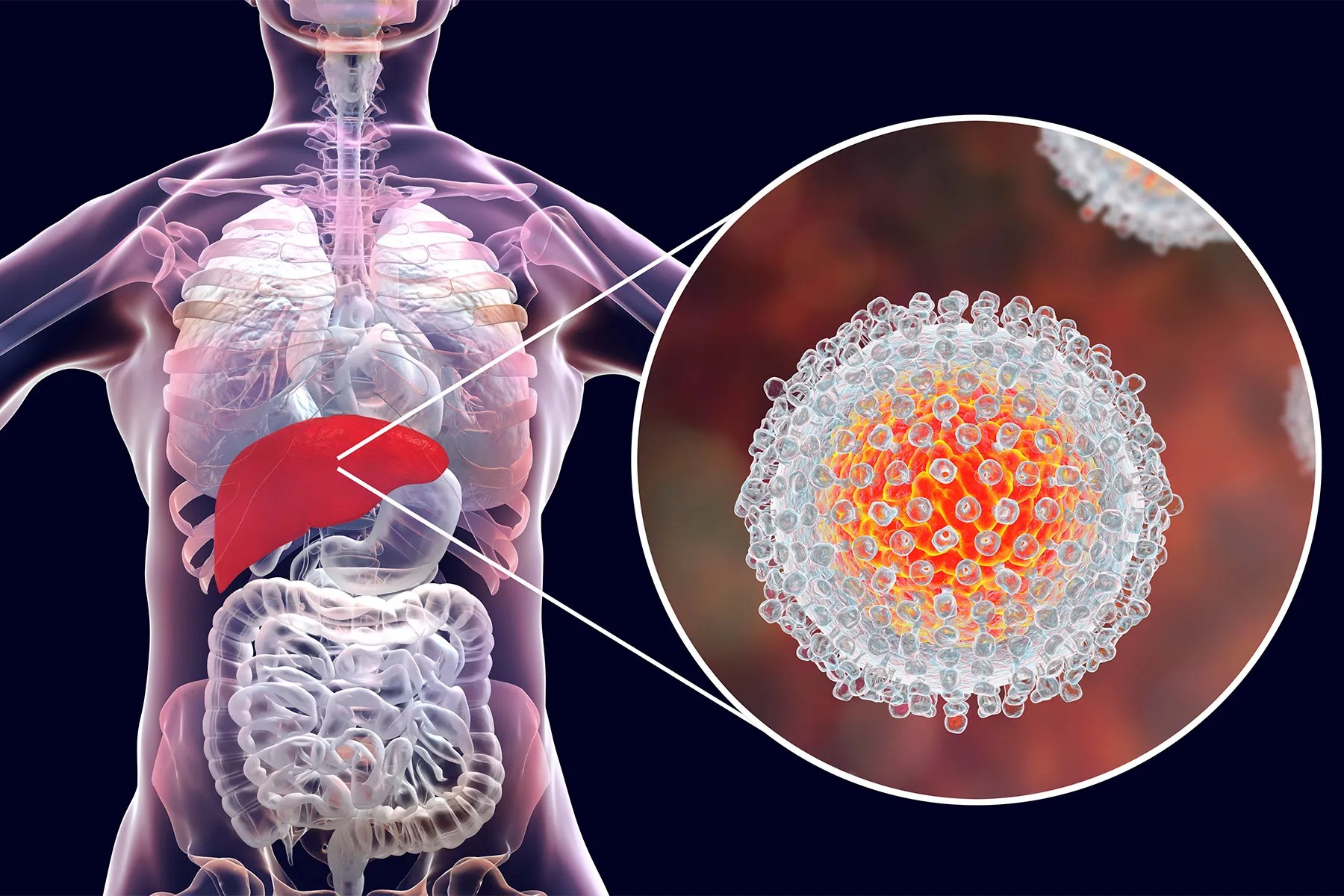
Far from it. According to the WHO, 325 million people worldwide have hepatitis B or C. In 2016 alone, hepatitis C caused around 399,000 deaths globally.
In the U.S., hepatitis C was the leading cause of infectious disease-related deaths from 2013 until COVID-19 hit.
“About 71 million people worldwide and 2.4 million people in the U.S. are living with hepatitis C,” says Dr. Facente. “That’s twice as many people as those living with HIV — and the kicker? Hepatitis C is completely curable.”
3. People with Hepatitis C Can’t Breastfeed

Not true. According to Dr. Nephew, hepatitis C doesn’t spread through breast milk. The only exception? If the nipples are cracked or bleeding, it’s best to pause breastfeeding until they’ve healed.
4. You Can Catch Hepatitis by Kissing or Holding Hands

Nope. That’s not how hepatitis C spreads.
Dr. Nephew sets the record straight: “You can’t get hepatitis C from kissing, holding hands, sharing utensils, mosquito bites, coughing, or sneezing.”
Instead, it spreads through blood-to-blood contact — like sharing needles, non-sterile tattoo tools, during childbirth, or (rarely) through sex.
5. People with Hepatitis C Can’t Have Sex

False. People with hepatitis C can absolutely have sex — but there are some precautions to keep in mind.
Hepatitis C spreads through blood, so sex that may involve blood exposure (like anal sex or sex during menstruation) carries a higher risk.
Dr. Nephew notes that in long-term, monogamous relationships, the CDC doesn’t recommend routine condom use. But if you or your partner have HIV, or you’re having sex with multiple partners, condoms are a smart move.
6. Everyone with Hepatitis Gets Jaundice
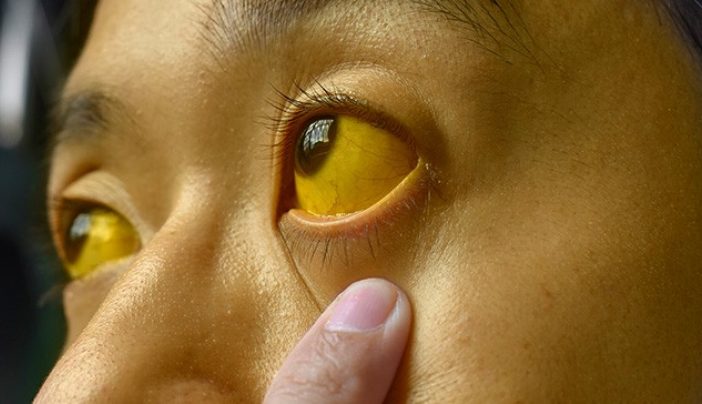
Not necessarily. Jaundice (yellowing of the skin or eyes) can be a sign of liver trouble, but many people with hepatitis — especially hepatitis C — show no symptoms at all until years later, when liver damage becomes severe.
7. Hepatitis Is Genetic

This one’s a common mix-up. Hepatitis C is a virus, not a genetic condition.
Dr. Nephew explains: “It’s not inherited from your parents.” In rare cases, the virus can be passed from mother to baby during childbirth, but that only happens about 2–8% of the time.
8. There’s a Vaccine for Every Type of Hepatitis

Unfortunately, no. Vaccines exist for hepatitis A and B, and both require multiple doses to complete the series.
But for hepatitis C, there’s currently no vaccine available — which is why testing and prevention are so crucial.
9. Hepatitis C Can’t Survive Outside the Body
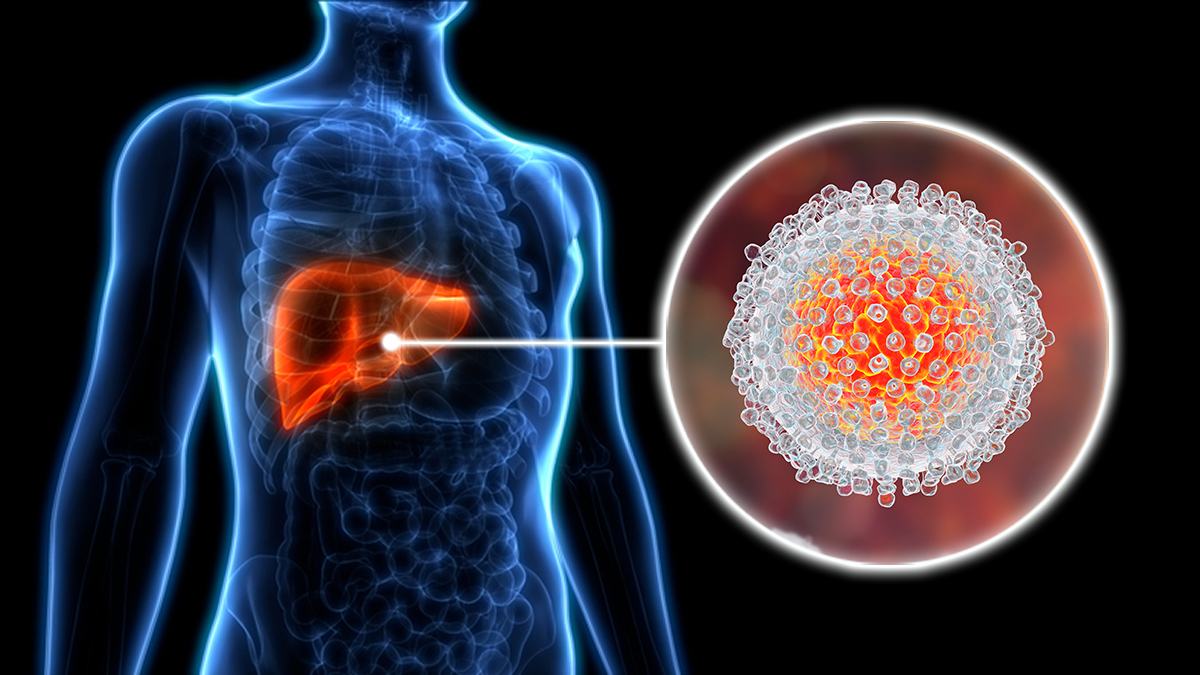
Actually, it can — and for a long time.
A 2014 Yale University study found that hepatitis C can survive on surfaces for up to 6 weeks and still be infectious. That’s much longer than the previously believed 4-day window.
Dr. Facente calls it a “hearty virus,” which is why proper sanitation and needle safety matter so much.
10. You Can’t Get Hepatitis C More Than Once

Unfortunately, yes — you can get reinfected.
“Being cured of hepatitis C doesn’t protect you from getting it again,” says Dr. Facente. Unlike a vaccine, the antibodies your body produces during an infection don’t offer immunity.
Dr. Nephew confirms: “People can get hepatitis C again after clearing it naturally or after treatment.” So, it’s important to continue practicing safe behaviors even after recovery.
11. Hepatitis C Medications Have Terrible Side Effects

That might’ve been true in the past, but not anymore.
“Today’s treatments are oral, last 8–12 weeks, and have a 90%+ cure rate,” says Dr. Nephew. “They’re well-tolerated and have very few side effects.”
So if fear of treatment is holding you back — don’t let outdated info stop you from getting cured.
FAQs About Hepatitis
Q: Can hepatitis C be cured?
A: Yes! With today’s treatments, cure rates are over 90%.
Q: Is hepatitis C more dangerous than HIV?
A: In terms of U.S. deaths, hepatitis C caused more deaths than any other infectious disease from 2013 until the COVID-19 pandemic.
Q: Can I get hepatitis C more than once?
A: Yes. Clearing or curing the virus doesn’t make you immune.
Q: How can I protect myself from hepatitis?
A: Get vaccinated for hepatitis A and B, avoid sharing needles or non-sterile tools, and get screened for hepatitis C — especially if you’re at higher risk.
Q: Are there symptoms I should watch for?
A: Many people have no symptoms at first. Later-stage symptoms might include fatigue, jaundice, nausea, or abdominal pain.
Conclusion: Stay Informed, Stay Safe
Hepatitis might sound scary, but with accurate info, smart prevention, and modern treatments, it’s more manageable than ever.
Don’t let myths guide your decisions. Talk to your doctor, get vaccinated and tested, and take charge of your health. Whether you’re living with hepatitis, at risk, or just want to stay informed — knowledge is your best defense.
Remember: Hepatitis is real, but so is the cure. You’ve got options — and you’re not alone.