
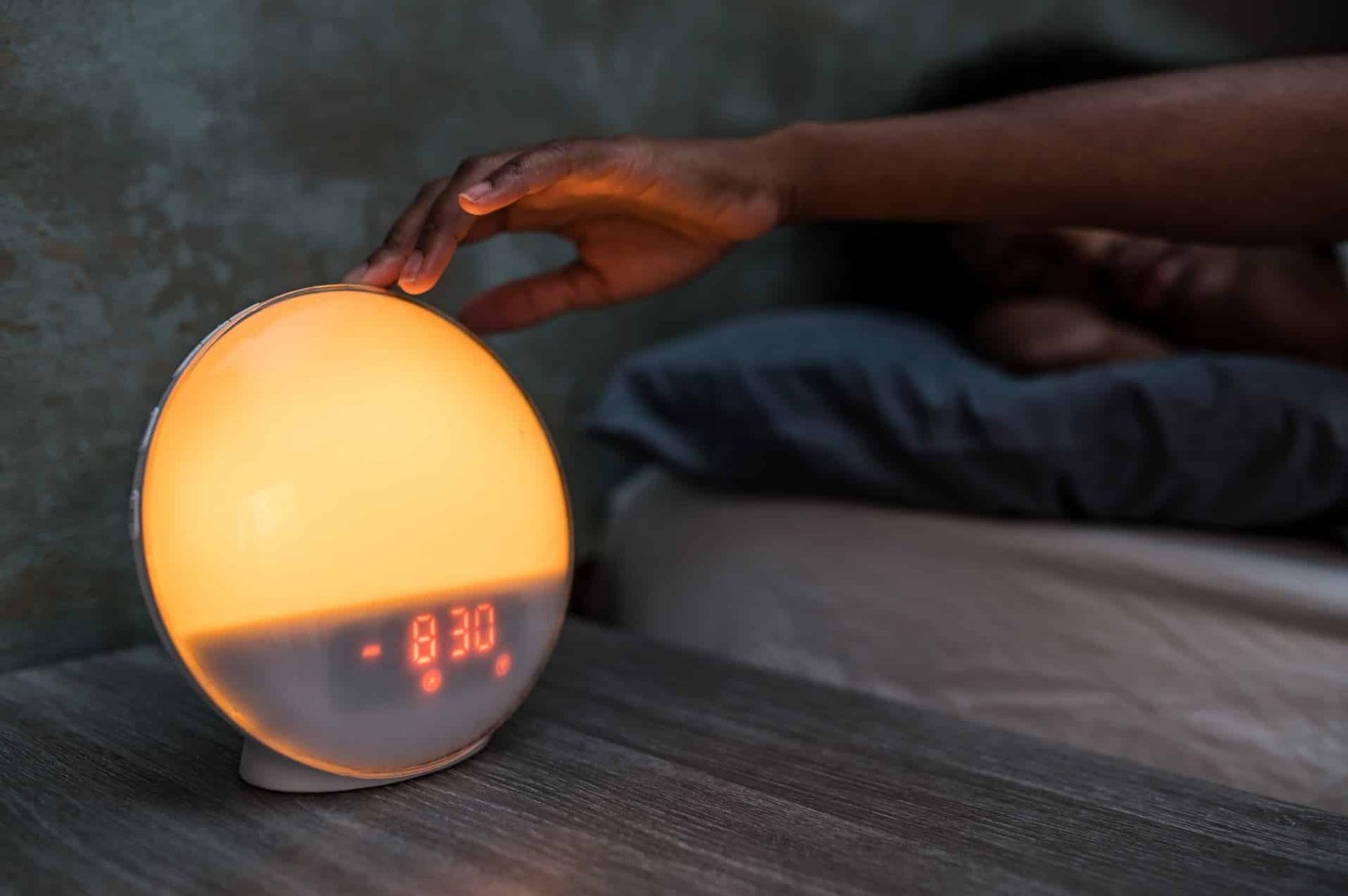
Medical Myths: How Much Sleep Do We Really Need?
We’ve all heard someone brag about being fine on just five hours of sleep—or maybe you’ve convinced yourself that sleeping in on weekends is enough to make up for a week of sleep deprivation. But how much sleep do we actually need to stay healthy, sharp, and emotionally balanced?
Sleep is one of those things we know is important, but it’s also one of the first to get pushed aside in our busy lives. Despite decades of research, there are still plenty of myths floating around about how much is “enough,” whether naps can replace a full night’s rest, or if sleep needs really decline as we age.

Let’s set the record straight and dive into the science of sleep: how much we really need, why it matters, and what happens when we fall short.
🛌 The Myth: “You can train your body to need less sleep.”
This is one of the most common misconceptions out there—and it’s just not true. While you might get used to running on less sleep, your body doesn’t suddenly adapt to being chronically deprived of rest. Instead, it quietly accumulates what’s called sleep debt—and that takes a toll on your mood, focus, metabolism, and long-term health.
Even if you feel fine on five or six hours, chances are you’re operating at a mental and physical disadvantage without even realizing it.
⏰ So, How Much Sleep Do We Actually Need?
According to the Centers for Disease Control and Prevention (CDC) and the National Sleep Foundation, the recommended amount of sleep varies by age:
| Age Group | Recommended Sleep |
|---|---|
| Newborns (0–3 months) | 14–17 hours |
| Infants (4–11 months) | 12–15 hours |
| Toddlers (1–2 years) | 11–14 hours |
| Preschoolers (3–5 years) | 10–13 hours |
| School-age kids (6–13) | 9–11 hours |
| Teenagers (14–17 years) | 8–10 hours |
| Young adults (18–25) | 7–9 hours |
| Adults (26–64) | 7–9 hours |
| Older adults (65+) | 7–8 hours |
So yes, most adults still need 7–9 hours a night—despite what your coffee-fueled coworker might claim.
🧠 Why Sleep Matters So Much
Sleep isn’t just about rest—it’s when your body performs vital maintenance work.
Here’s what happens while you sleep:
- 🧹 Your brain clears out toxins and waste
- 🧠 You consolidate memories and process emotions
- 🛡️ Your immune system strengthens
- 🩺 Hormones are regulated (including those that control hunger and stress)
- 💪 Muscles and tissues repair themselves
- ⚖️ Metabolism and blood sugar are balanced
Chronic sleep deprivation has been linked to a wide range of health issues, including:
- Increased risk of heart disease, stroke, and type 2 diabetes
- Higher chances of depression, anxiety, and irritability
- Weakened immune response
- Weight gain due to hormone disruption
- Cognitive decline and poor memory retention
- Shortened lifespan
Put simply: sleep isn’t a luxury—it’s essential.
😴 Does Everyone Need the Same Amount of Sleep?
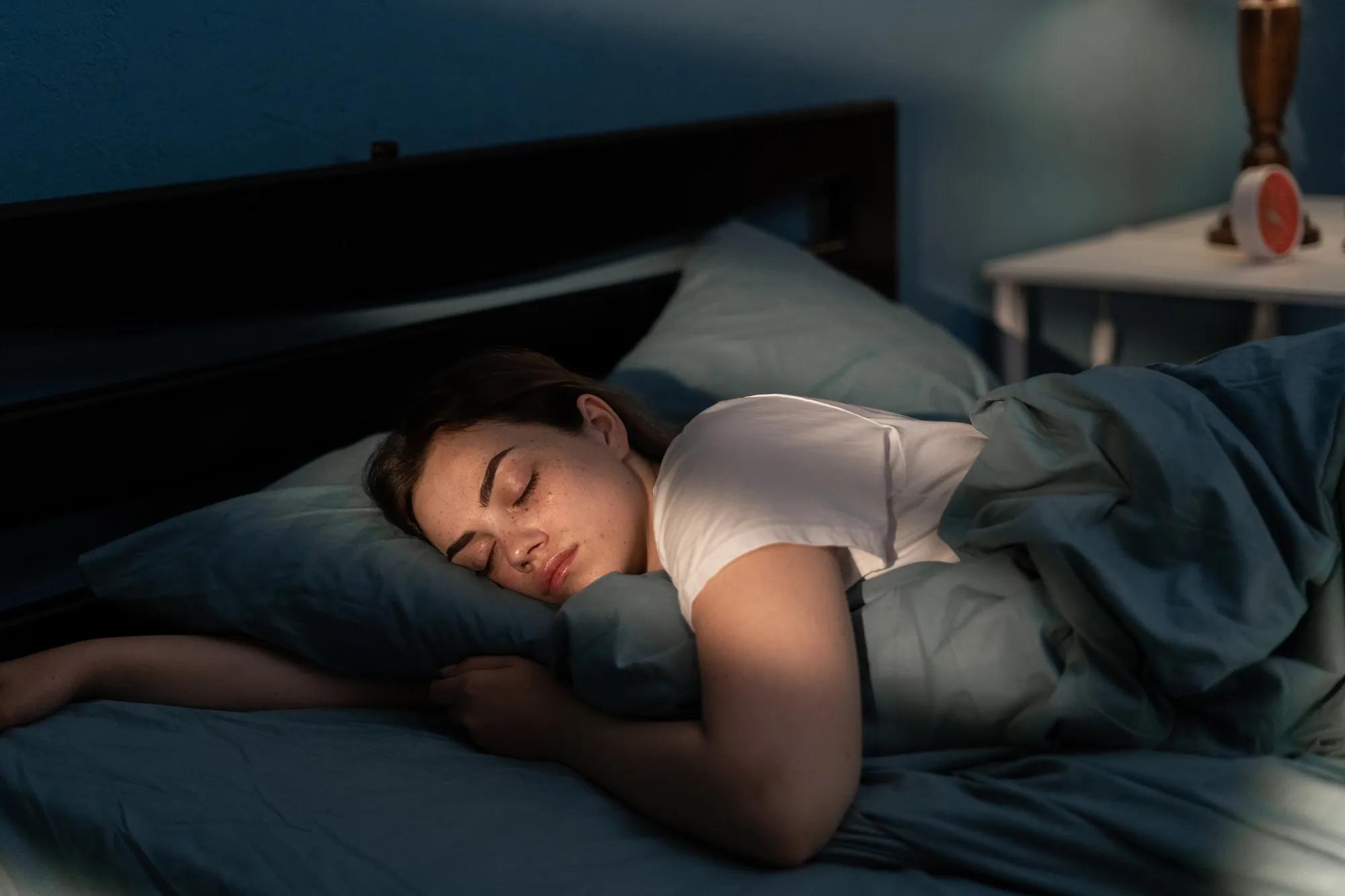
Nope—not exactly. While most adults need 7–9 hours, the sweet spot can vary slightly depending on genetics, activity level, stress, and overall health.
Some people may function well on just over 7 hours, while others need closer to 9 to feel their best. But sleeping fewer than 6 hours regularly is almost never enough, no matter how convincing you think your body is.
What’s more important than the exact number? How you feel during the day.
If you need caffeine just to function, feel foggy by mid-morning, or fall asleep instantly the moment your head hits the pillow, your body is telling you it’s running on a deficit.
🧪 What Happens When You Don’t Get Enough Sleep?

Let’s break down the impact of sleep deprivation:
🔄 Short-Term Effects:
- Impaired memory, focus, and decision-making
- Slower reaction times
- Emotional instability (irritability, mood swings)
- Increased cravings for sugar and carbs
- Trouble staying awake during meetings or commutes
⚠️ Long-Term Effects:
- Greater risk of obesity
- Increased blood pressure and cardiovascular disease
- Lowered immune defenses (more frequent colds and illness)
- Higher likelihood of developing anxiety and depression
- Increased risk of Alzheimer’s and other neurodegenerative diseases
And no—you can’t fully “catch up” on weekends. While extra rest helps ease sleep debt, it doesn’t completely reverse the effects of consistent short sleep during the week.
🌙 What About Naps—Do They Count?
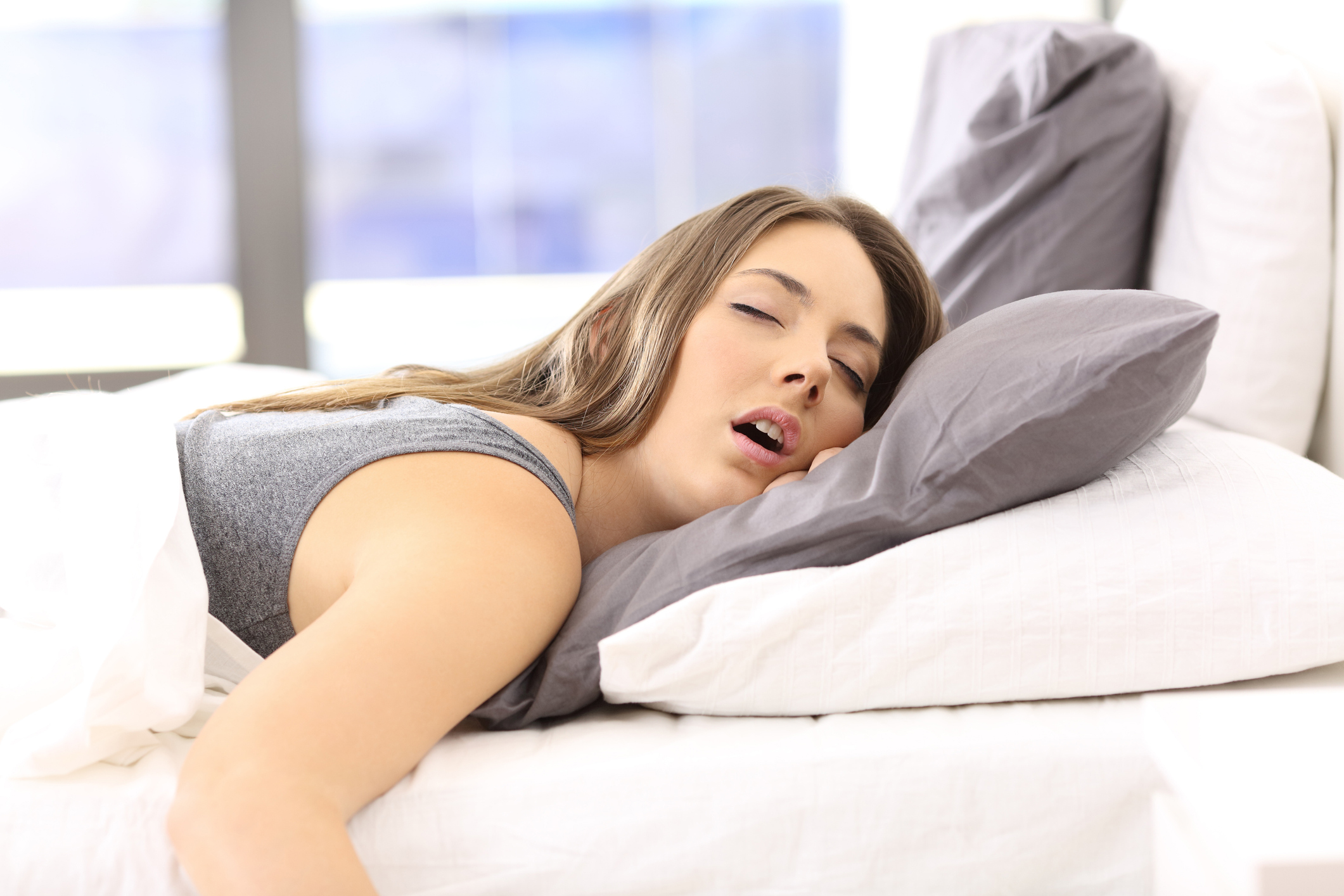
Naps can be great—if they’re used strategically. A short nap (15–30 minutes) can boost alertness, mood, and creativity without interfering with your nighttime sleep.
But long naps—especially late in the day—can throw off your sleep cycle. If you’re finding yourself reliant on naps to function, it might be time to examine your nighttime routine or sleep hygiene.
📲 Common Modern Sleep Disruptors
In today’s fast-paced world, several modern habits are making sleep worse for all of us:
1. Blue Light from Screens
Phones, tablets, and TVs emit blue light, which can suppress melatonin—the hormone that tells your body it’s time to sleep. Try avoiding screens at least one hour before bed.
2. Caffeine and Late-Night Eating
Caffeine can linger in your system for up to 8 hours. Eating too close to bedtime may also disrupt your sleep with digestion issues.
3. Stress and Anxiety
Overthinking, racing thoughts, or high stress levels can keep your nervous system in “fight or flight” mode, making sleep harder to achieve.
4. Irregular Sleep Schedules
Going to bed at wildly different times each night throws off your circadian rhythm—the internal clock that controls sleepiness and alertness.
🛏️ How to Improve Your Sleep Quality

Even if you can’t magically find more hours in your day, you can still improve your sleep quality. Here’s how:
- Stick to a consistent schedule, even on weekends
- Create a calming pre-bedtime routine (warm bath, reading, soft music)
- Make your bedroom dark, cool, and quiet
- Avoid screens 1 hour before bed
- Limit caffeine and alcohol
- Try relaxation techniques like deep breathing, meditation, or progressive muscle relaxation
❓ FAQs: How Much Sleep Do We Need?
Q: Can I survive on 5 or 6 hours of sleep?
You might survive, but you won’t thrive. Most adults need at least 7 hours to function properly long-term. Chronic sleep deprivation takes a toll on your brain, heart, immune system, and mood.
Q: Do older adults need less sleep?
Not really. While older adults may sleep more lightly or wake up more often during the night, they still need around 7–8 hours per night.
Q: Is it okay to sleep in on weekends?
Sleeping in occasionally is fine, but wildly different sleep and wake times each day can confuse your internal clock. Try to keep your weekend sleep schedule within 1 hour of your weekday routine.
Q: What if I just can’t fall asleep easily?
Difficulty falling asleep can result from stress, poor sleep habits, or even underlying medical conditions. Try improving your sleep hygiene first, and if problems persist, speak to a healthcare provider.
Q: Are naps bad?
Not at all! Short naps (under 30 minutes) can actually improve focus and energy. Just avoid napping too late in the day or for too long, as it might interfere with nighttime sleep.
🌟 Conclusion: Sleep Isn’t Optional—It’s Essential
In a culture that often glorifies late-night productivity, hustle, and always being “on,” sleep has taken a backseat. But the truth is, sleep is a biological necessity, not a luxury. It’s one of the most powerful tools we have for staying healthy, thinking clearly, maintaining emotional balance, and even living longer.
So how much sleep do we really need? The answer is simple: enough to wake up feeling refreshed, alert, and functional without needing multiple cups of coffee or constant naps.
Aim for that golden 7 to 9 hours per night, prioritize consistency, and treat your sleep like the important foundation it truly is. Your body—and your brain—will thank you.