Plant-based diets are becoming more popular every year, but with their rise comes a flood of myths and misconceptions. Let’s take a closer look at the most common ones and separate fact from fiction.
1. Plant-Based Diets Are Always Healthy
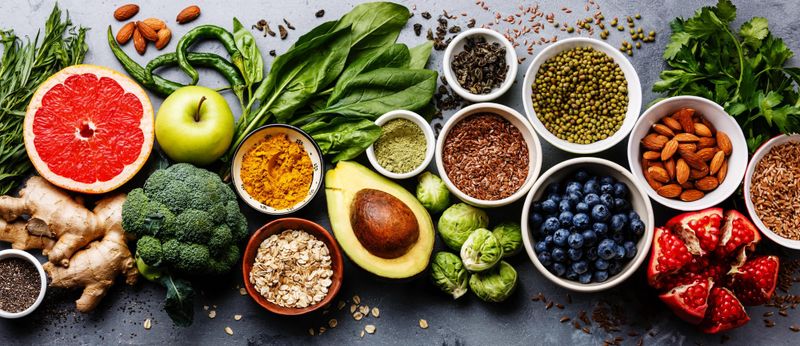
Cutting out meat doesn’t automatically make a diet healthy. Sure, studies link high red and processed meat consumption to health issues like colon cancer, heart disease, obesity, and type 2 diabetes. But that doesn’t mean all vegetarian or vegan diets are automatically good for you.
For example, a person living off potato chips and soda is technically vegan, but that’s far from a nutritious diet. It’s all about the quality of the foods you’re eating.
And it’s not just about what you exclude—it’s also about what you include. Many meat substitutes and veggie products can be ultra-processed and high in sodium. A UK-based survey in 2018 found that vegetarian burgers had more salt (0.89 g) on average than beef burgers (0.75 g).
2. Going Vegetarian Guarantees Weight Loss
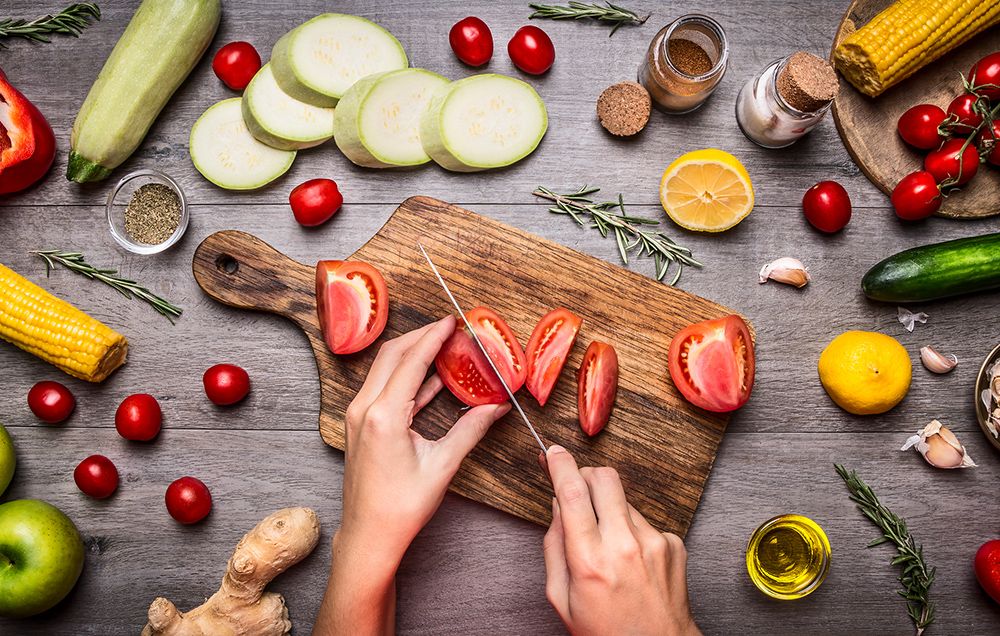
Not quite. You can lose weight on a plant-based diet, but it isn’t automatic. You still need to be mindful of calorie intake and food quality.
Several studies do suggest that plant-based diets are associated with weight loss. A review in Translational Psychiatry found beneficial effects on weight, metabolism, and inflammation. Another review in BMJ Open Diabetes Research noted significant improvements in weight among people with diabetes.
Bottom line: It’s not the lack of meat that leads to weight loss — it’s the overall diet quality and lifestyle.
3. Vegetarians and Vegans Can’t Get Enough Protein
_protein.jpg)
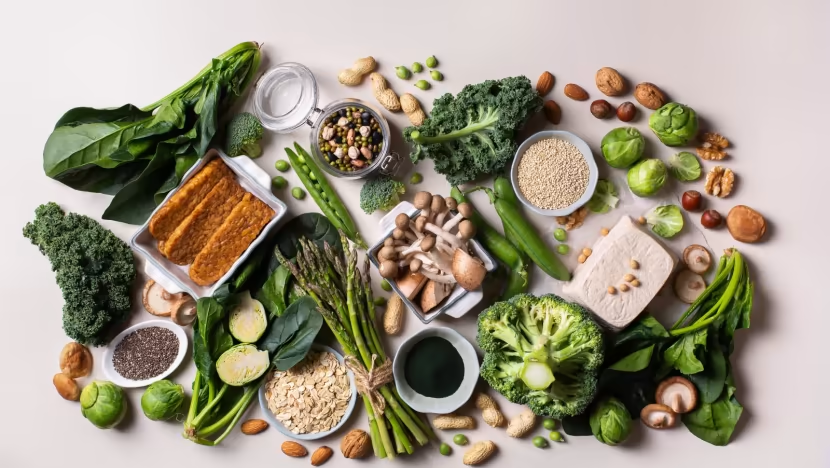
This is a myth that just won’t die. In reality, there are plenty of plant-based protein sources:
- Lentils, beans, chickpeas
- Tofu, tempeh, seitan
- Quinoa, oats, wild rice
- Nuts, seeds
- Even vegetables like spinach, broccoli, and peas
And if you consume eggs or dairy, you’re getting additional protein sources.
4. You Can’t Build Muscle Without Meat
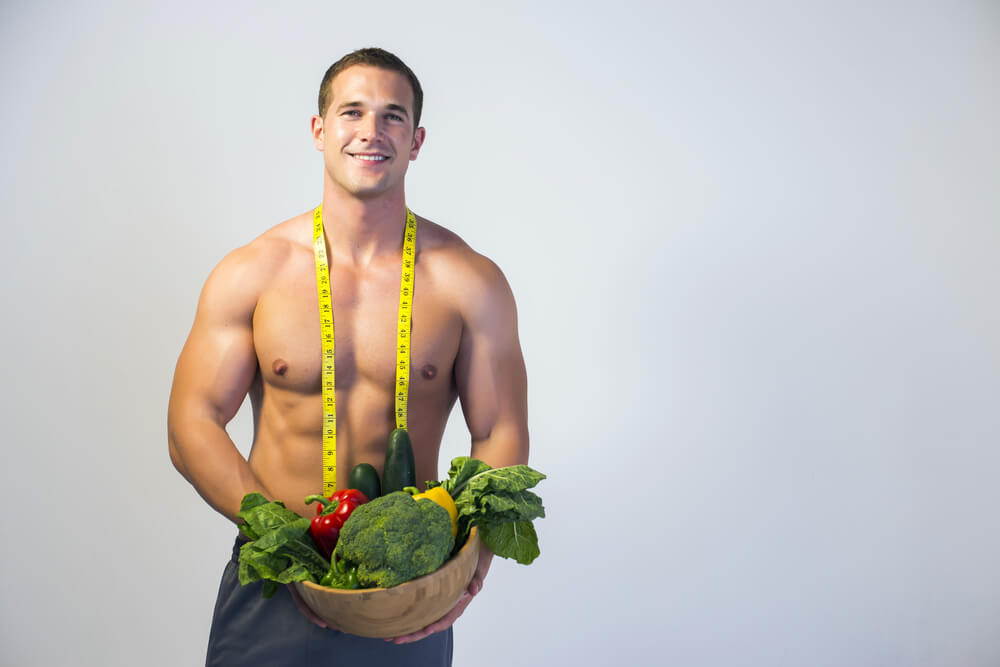
Muscle building relies on protein and resistance training, not meat. As long as you’re getting enough protein from plant-based sources and eating enough calories, building muscle is absolutely possible on a vegan or vegetarian diet.
5. You Need Dairy for Strong Bones
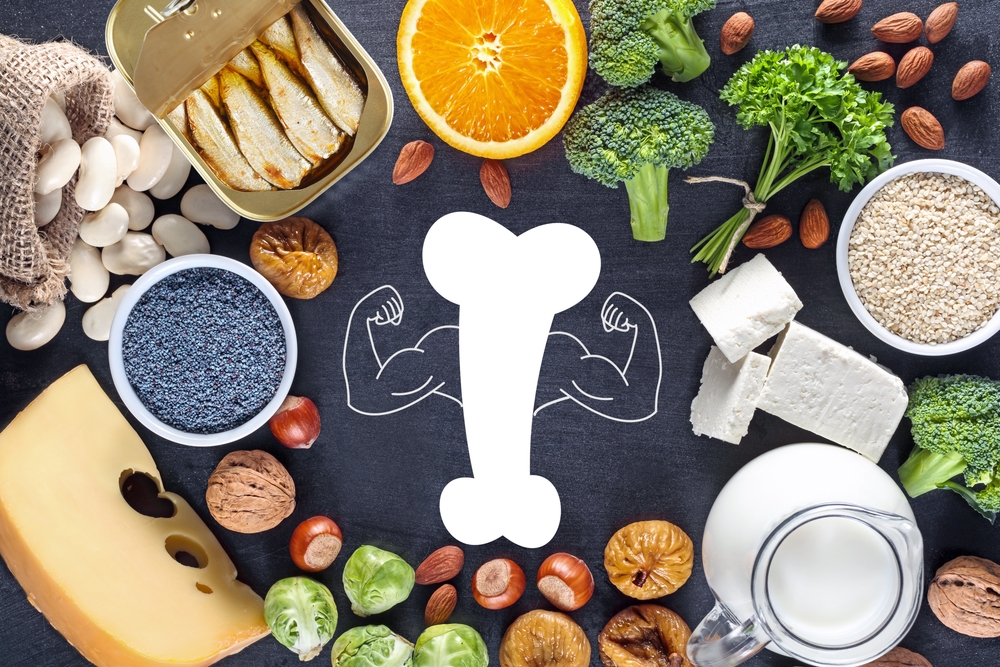
Dairy is one way to get calcium, but not the only way. Plenty of plant-based foods are rich in calcium:
- Leafy greens (spinach, turnip greens)
- Soy products (tofu, soy milk)
- Beans, lentils, peas
- Almonds, sesame seeds, chia seeds
- Seaweed and fortified non-dairy milk
Calcium is vital for bone health, muscle contraction, nerve signaling, and more. You can meet your needs without dairy.
6. Vegetarians Can’t Get Vitamin B12
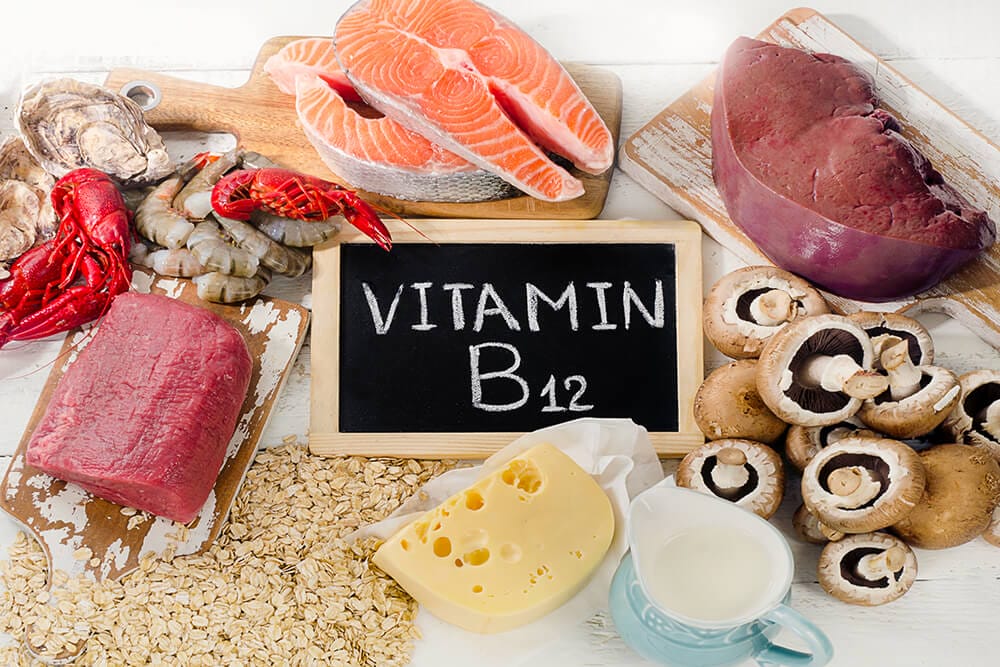
Vitamin B12 is important, and it is harder to get from a vegan diet, but not impossible. Vegetarians can get B12 from dairy and eggs. Vegans often rely on fortified foods (cereal, plant milks, nutritional yeast) or take supplements.
Fun fact: Even meat-eaters often get B12 from supplements given to livestock. So if you’re vegan and take a B12 pill, you’re just skipping the middleman (the cow).
7. Soy Causes Breast Cancer
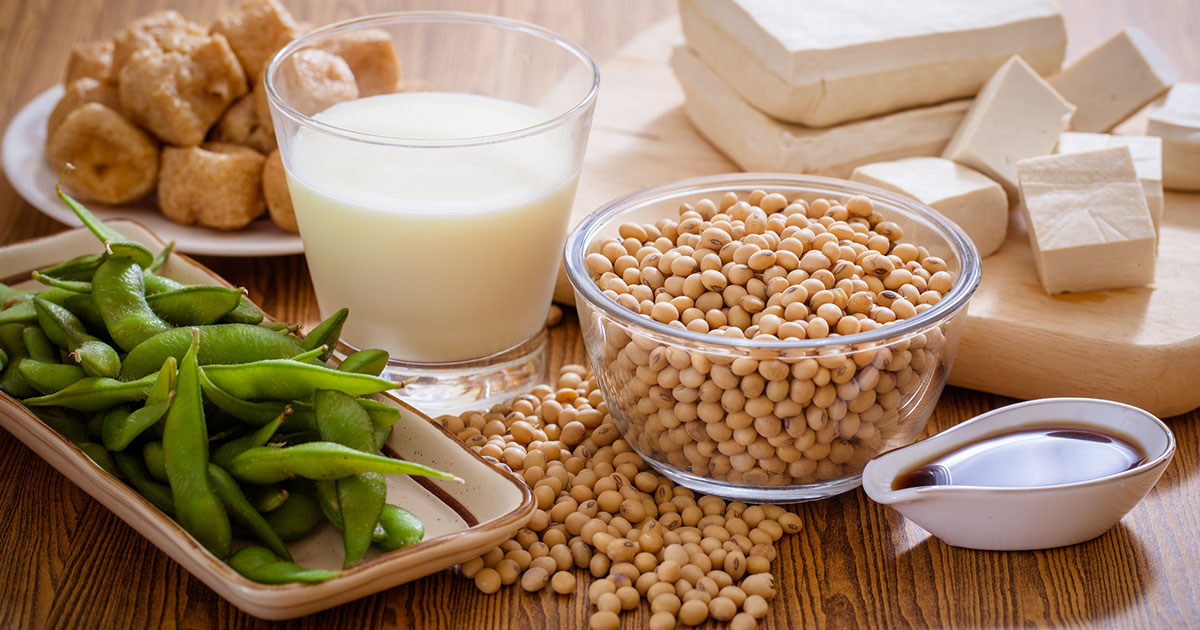
This myth likely comes from animal studies where rodents fed high doses of soy isoflavones developed breast cancer. But humans process soy differently.
Large human studies haven’t found a clear link between soy and breast cancer risk. In fact, some research suggests soy may reduce risk, especially among Asian women who consume traditional soy foods.
However, high doses of soy supplements might carry risks for women with a family history of breast cancer. Food sources of soy like tofu and tempeh are generally considered safe and possibly beneficial.
8. Pregnant People Must Eat Meat and Dairy
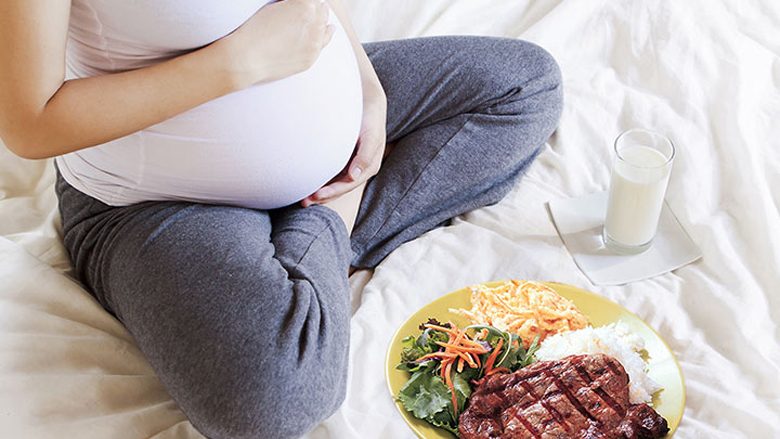
Pregnant and breastfeeding individuals need to meet higher nutritional demands, but meat and dairy aren’t essential to do that.
A well-planned vegetarian or vegan diet can provide all necessary nutrients—including protein, iron, calcium, omega-3s, and B12. B12 is especially important, so supplements or fortified foods are often recommended during pregnancy.
The American Dietetic Association confirms that properly planned vegetarian and vegan diets are safe during pregnancy and lactation.
FAQs
Q: Can I get enough protein without meat?
A: Absolutely. Legumes, grains, tofu, and nuts provide plenty.
Q: Is soy safe to eat every day?
A: For most people, yes. Stick to whole-food forms like tofu or tempeh.
Q: Should vegans take supplements?
A: B12 is the most important. Others depend on your diet.
Q: Can kids follow a plant-based diet?
A: Yes, with good planning and pediatric guidance.
Final Thoughts
Plant-based eating isn’t automatically healthy, but with smart planning and variety, it can be incredibly nutritious and sustainable.
Whether you’re vegan, vegetarian, or simply cutting back on animal products, the key is balance. Don’t be swayed by myths—stick with the facts and your health will thank you.