
1. Introduction
Blood pressure plays a vital role in the functioning of your cardiovascular system. It is a measure of the force that your blood exerts on the walls of your arteries as your heart pumps it through your body. Over time, both high and low blood pressure can lead to serious health problems like heart disease, stroke, and kidney damage. By understanding blood pressure, how to measure it, and how to keep it under control, you can significantly reduce the risk of these health issues.
2. What Is Blood Pressure
The Importance of Blood Pressure
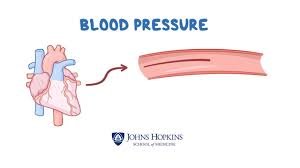
Blood pressure is one of the most important vital signs for assessing your overall health. Proper blood pressure ensures that oxygen and nutrients are efficiently delivered to all the organs in your body. When blood pressure is too high or too low, it can strain the heart, damage blood vessels, and interfere with organ function.
Systolic vs Diastolic Blood Pressure
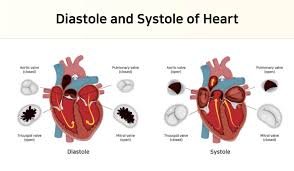
- Systolic Pressure: The first (top) number measures the pressure when your heart beats and pumps blood.
- Diastolic Pressure: The second (bottom) number measures the pressure when your heart is resting between beats.
For example, a blood pressure reading of 120/80 mmHg indicates a systolic pressure of 120 and a diastolic pressure of 80.
The Mechanism Behind Blood Pressure
Your heart contracts to pump blood through the arteries, creating pressure. This pressure is highest when the heart is pumping blood (systolic) and lowest when the heart is at rest (diastolic). The blood vessels’ health, elasticity, and resistance to blood flow influence the overall blood pressure.
3. Blood Pressure Readings What Do They Mean
Understanding Blood Pressure Numbers
A blood pressure reading consists of two numbers, measured in millimeters of mercury (mmHg). The top number (systolic) measures pressure when your heart beats, while the bottom number (diastolic) measures pressure when your heart rests. The higher the reading, the greater the strain on the heart and blood vessels.
Blood Pressure Categories and Their Significance
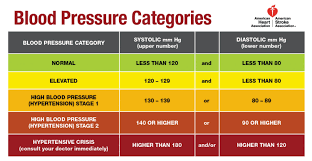
According to the American Heart Association (AHA), blood pressure categories are:
- Normal: Systolic <120 and Diastolic <80
- Elevated: Systolic 120-129 and Diastolic <80
- Hypertension Stage 1: Systolic 130-139 or Diastolic 80-89
- Hypertension Stage 2: Systolic ≥140 or Diastolic ≥90
- Hypertensive Crisis: Systolic >180 and/or Diastolic >120 (immediate medical attention required)
Common Misconceptions About Blood Pressure
- High blood pressure has no symptoms: Often, people with high blood pressure feel fine, which is why it’s important to check it regularly.
- You can’t have high blood pressure if you’re young: Hypertension can affect individuals of all ages, even those in their 20s or 30s.
- You can’t lower blood pressure without medication: Many people can manage high blood pressure through diet, exercise, and stress management, sometimes without medication.
4. Factors That Affect Blood Pressure
Internal Factors Genetics and Age
- Genetics: Family history plays a significant role in the likelihood of developing high blood pressure.
- Age: Blood pressure tends to rise with age, as blood vessels become stiffer and less elastic.
External Factors Stress Diet and Lifestyle
- Stress: Emotional stress triggers the release of hormones that temporarily raise blood pressure.
- Diet: Excessive salt, low potassium, and an unhealthy diet high in fats and sugar can contribute to high blood pressure.
- Exercise: Physical inactivity increases the risk of hypertension.
5. Why Blood Pressure Matters
The Risks of High Blood Pressure Hypertension
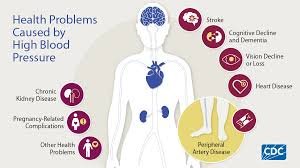
High blood pressure can damage the arteries, heart, and organs:
- Heart Attack and Heart Failure: Strained blood vessels and a weakened heart increase the risk of heart failure.
- Stroke: Hypertension causes blood vessels in the brain to become narrow or blocked, increasing the risk of stroke.
- Kidney Disease: High blood pressure damages kidney blood vessels, leading to kidney failure over time.
The Risks of Low Blood Pressure Hypotension
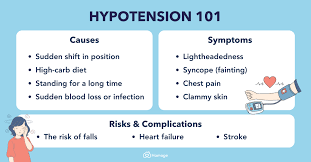
Although less common, low blood pressure can be just as dangerous:
- Fainting and Dizziness: Low blood pressure can cause dizziness and fainting, leading to falls or injuries.
- Fatigue and Weakness: Hypotension can leave you feeling weak or tired, affecting daily activities.
How Blood Pressure Affects Vital Organs
Blood pressure affects vital organs like the heart, kidneys, brain, and eyes. High blood pressure can damage the small blood vessels in the eyes, leading to vision problems. It can also impair kidney function and reduce blood flow to the brain, increasing the risk of cognitive decline.
6. How to Measure Blood Pressure Accurately
Blood Pressure Monitors Types and Features
- Manual Monitors: These require a stethoscope and are generally used by healthcare professionals.
- Automatic Monitors: These are easier to use at home, providing a digital reading.
Professional Measurements vs Home Monitoring
- Professional Measurements: Doctors use a sphygmomanometer for precise readings.
- Home Monitoring: Home monitors are convenient for regular tracking but require proper technique for accuracy.
Best Practices for Home Monitoring
- Avoid caffeine or exercise before taking a reading: These factors can temporarily raise your blood pressure.
- Measure at the same time every day: Consistency helps track trends in your readings.
- Take multiple readings: Take two or three readings a few minutes apart and average them for the most accurate result.
How to Use a Blood Pressure Cuff Properly
- Make sure the cuff is snug, but not too tight.
- Ensure your arm is at heart level, and keep it still during the measurement.
7. Managing Blood Pressure Through Lifestyle Changes
Diet Eating for Healthy Blood Pressure
- Limit Sodium: Reduce salt intake by avoiding processed foods and adding less salt to your meals.
- Increase Potassium: Eat potassium-rich foods like bananas, spinach, and potatoes.
- DASH Diet: The Dietary Approaches to Stop Hypertension (DASH) diet promotes a high intake of fruits, vegetables, whole grains, and low-fat dairy.
Exercise Heart Health and Physical Activity
Exercise strengthens the heart, allowing it to pump blood more efficiently. Regular physical activity can lower systolic and diastolic pressure. Aim for at least 30 minutes of moderate exercise, like walking or swimming, most days of the week.
Stress Management Techniques to Reduce Blood Pressure
- Deep Breathing: Controlled breathing can reduce stress and lower blood pressure.
- Mindfulness: Practicing mindfulness through meditation or yoga can significantly reduce blood pressure.
Sleep How Rest Affects Your Blood Pressure
Poor sleep can raise blood pressure. Ensuring 7-9 hours of quality sleep each night is essential. Practices like establishing a bedtime routine, avoiding electronics before bed, and managing stress help promote better sleep.
8. Medications for Blood Pressure Control
Types of Blood Pressure Medications
- Diuretics: Help remove excess sodium and water from the body.
- ACE Inhibitors: Relax blood vessels by blocking a hormone that narrows them.
- Beta-Blockers: Slow the heart rate and reduce the heart’s workload.
- Calcium Channel Blockers: Relax blood vessels and reduce heart rate.
How Medications Help in Lowering Blood Pressure
Medications either reduce fluid volume in the body, relax the blood vessels, or decrease the heart rate to lower blood pressure.
Possible Side Effects of Blood Pressure Medications
- Fatigue and dizziness: Common with medications that lower blood pressure.
- Frequent urination: Diuretics can cause frequent trips to the bathroom.
- Coughing: ACE inhibitors may cause a persistent dry cough in some people.
When Medication Becomes Necessary
Medications may be required when lifestyle changes alone aren’t enough to control blood pressure, or when readings are dangerously high.
9. When to Seek Medical Advice
Seek medical advice if:
- Your blood pressure readings are consistently high.
- You experience symptoms like dizziness, shortness of breath, or severe headaches.
- You have a family history of heart disease or stroke.
Regular visits to your healthcare provider are essential to monitor your blood pressure and adjust treatment if necessary.
10. Preventing Blood Pressure Issues
Proactive Measures to Keep Your Blood Pressure in Check
- Maintain a healthy weight: Obesity increases the risk of high blood pressure.
- Limit alcohol consumption: Drinking alcohol in excess can raise blood pressure.
- Quit smoking: Smoking harms blood vessels, leading to increased blood pressure.
The Role of Genetics in Blood Pressure Control
Family history can influence your risk of developing high blood pressure, but lifestyle changes can help offset genetic predisposition.
Preventive Lifestyle Choices
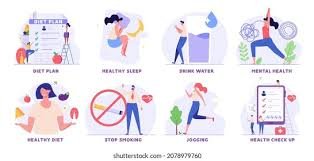
- Exercise regularly
- Eat a balanced diet
- Practice stress management
Table of Contents
The Importance of Regular Monitoring and Healthy Habits
Introduction
What Is Blood Pressure?
The Importance of Blood Pressure
Systolic vs. Diastolic Blood Pressure
The Mechanism Behind Blood Pressure
Blood Pressure Readings: What Do They Mean?
Understanding Blood Pressure Numbers
Blood Pressure Categories and Their Significance
Common Misconceptions About Blood Pressure
Factors That Affect Blood Pressure
Internal Factors: Genetics and Age
External Factors: Stress, Diet, and Lifestyle
Why Blood Pressure Matters
The Risks of High Blood Pressure (Hypertension)
The Risks of Low Blood Pressure (Hypotension)
How Blood Pressure Affects Vital Organs
How to Measure Blood Pressure Accurately
Blood Pressure Monitors: Types and Features
Professional Measurements vs. Home Monitoring
Best Practices for Home Monitoring
How to Use a Blood Pressure Cuff Properly
Managing Blood Pressure Through Lifestyle Changes
Diet: Eating for Healthy Blood Pressure
Exercise: Heart Health and Physical Activity
Stress Management: Techniques to Reduce Blood Pressure
Sleep: How Rest Affects Your Blood Pressure
Medications for Blood Pressure Control
Types of Blood Pressure Medications
How Medications Help in Lowering Blood Pressure
Possible Side Effects of Blood Pressure Medications
When Medication Becomes Necessary
When to Seek Medical Advice
Warning Signs of Uncontrolled Blood Pressure
How Often to Visit Your Healthcare Provider
The Importance of Regular Blood Pressure Monitoring
Preventing Blood Pressure Issues
Proactive Measures to Keep Your Blood Pressure in Check
The Role of Genetics in Blood Pressure Control
Preventive Lifestyle Choices
Conclusion
Maintaining Long-Term Heart Health
Conclusion
Blood pressure is a crucial component of heart health, and keeping it in a healthy range is essential for preventing serious health conditions like heart disease, stroke, and kidney failure. By understanding how blood pressure works, measuring it accurately, and adopting healthy lifestyle habits, you can maintain optimal heart health. Regular monitoring and appropriate medical care can help you manage blood pressure effectively and live a long, healthy life.